And your communities
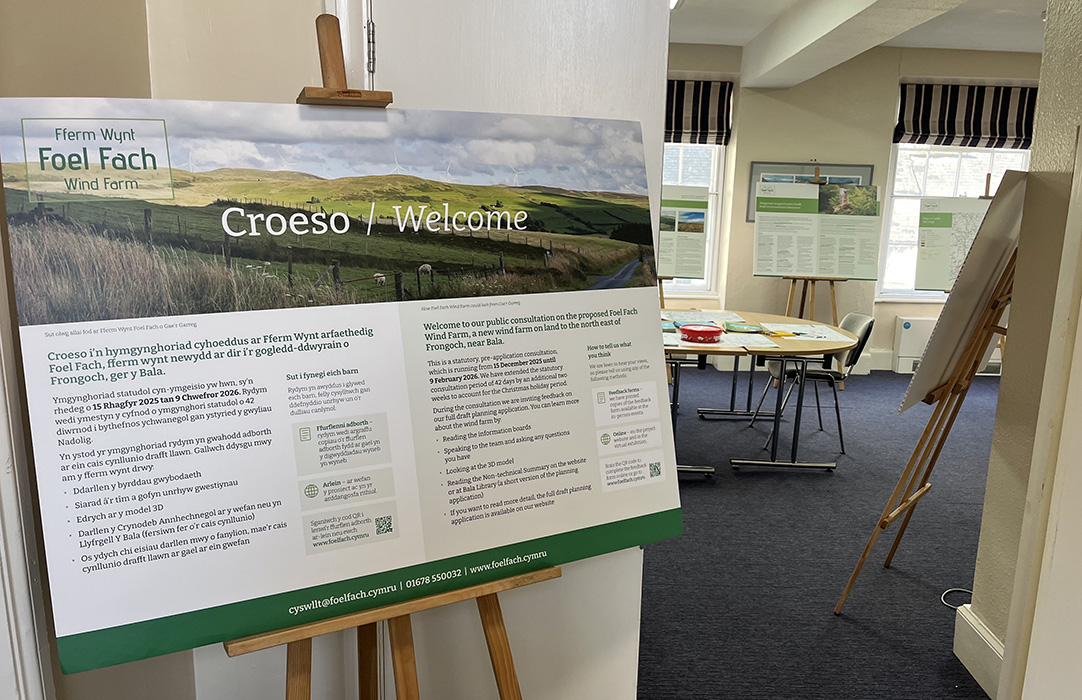
We work closely with local stakeholders from the earliest stages of project planning to help inform and shape new development proposals. Public exhibitions, information events, questionnaires, newsletters and community liaison groups are all used to gather feedback. This plays a key role in refining project designs and forms an integral part of the planning application process.

Each of our wind farm projects provides a community benefit fund and, over their full operating lives, the projects now in operation and under development will collectively deliver over £300m of community funding (index linked to keep pace with inflation).
Decisions on how these funds are best spent are left to local communities, but to date they have been used for anything from supporting village bus services, funding community centres, outdoor play areas and installing EV charging points.
Communities are offered the opportunity to take an ownership stake in projects if they choose to do so, and we also prioritise local contractors wherever practical, supporting jobs and economic growth.
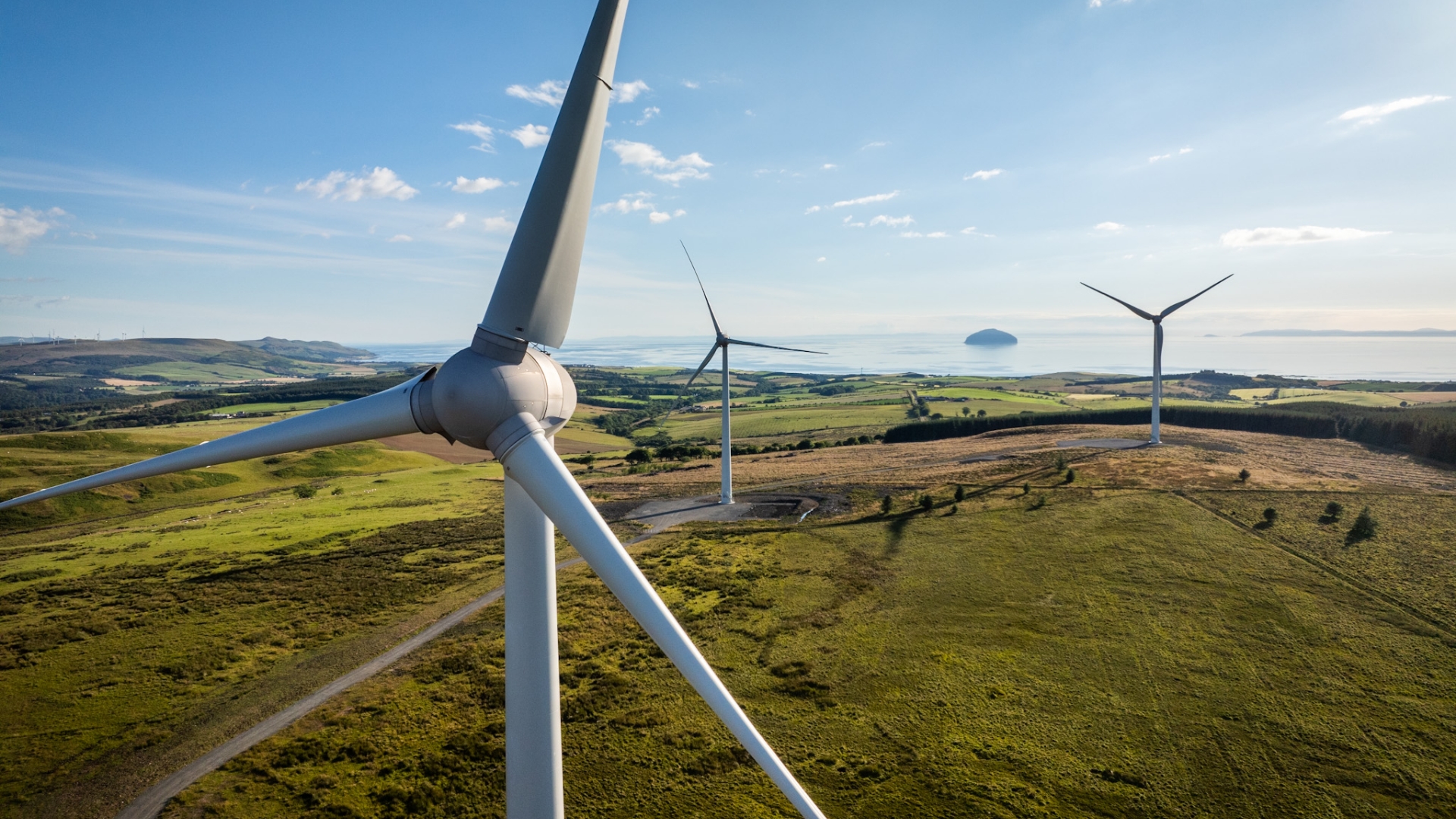
Developed by Coriolis Energy and built by Ripple Energy, Kirk Hill Wind Farm is the largest community-owned wind farm in the UK. This was funded through an innovative shared ownership model, where over 5,600 individuals and 18 businesses invested £13 million to lock in their electricity prices for 25 years.
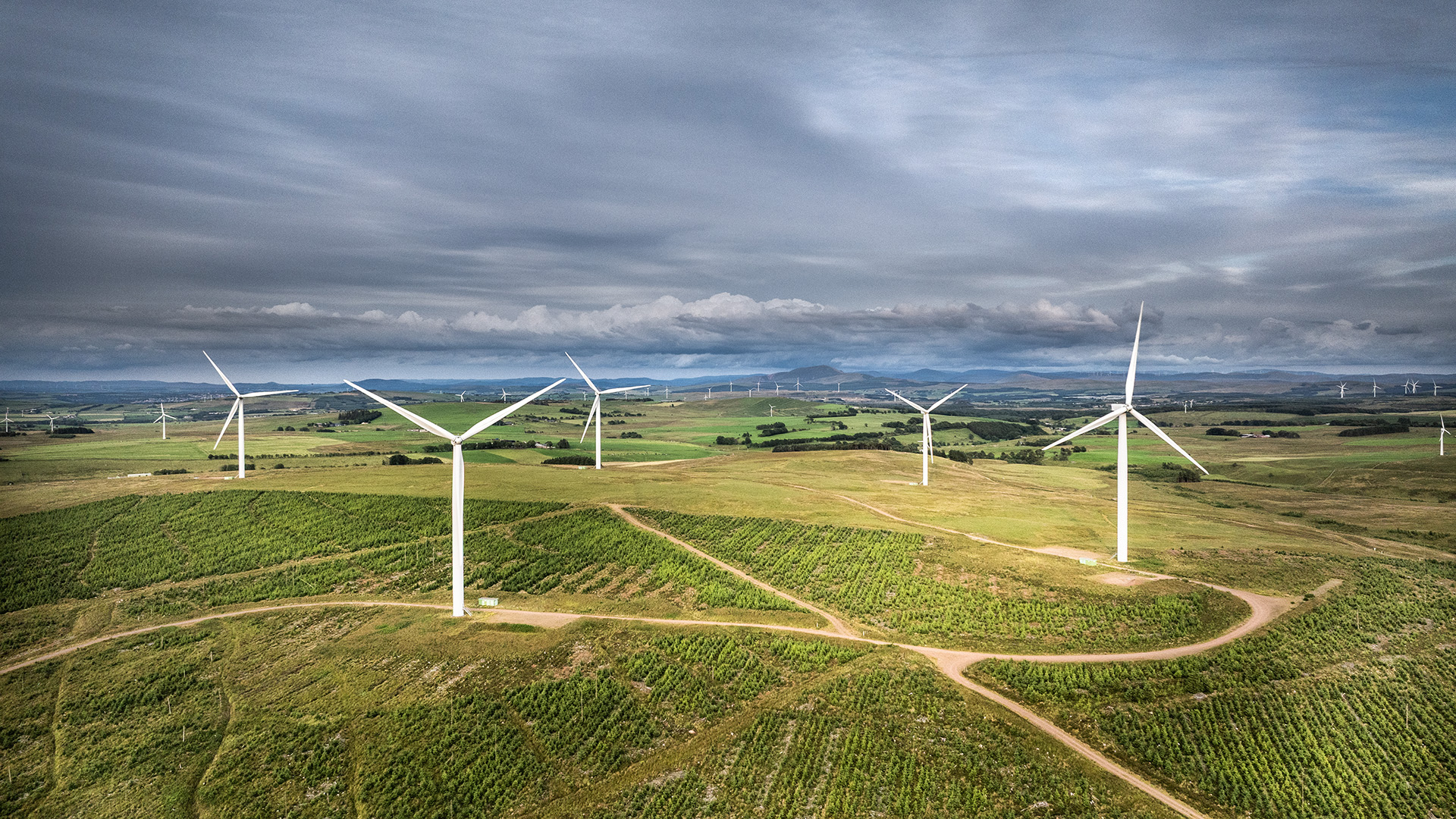
Community ownership at Auchrobert wind farm was realised in collaboration with Energy4All. Part of the project is now owned by the Auchrobert Community Energy Scociety and its 350 members.
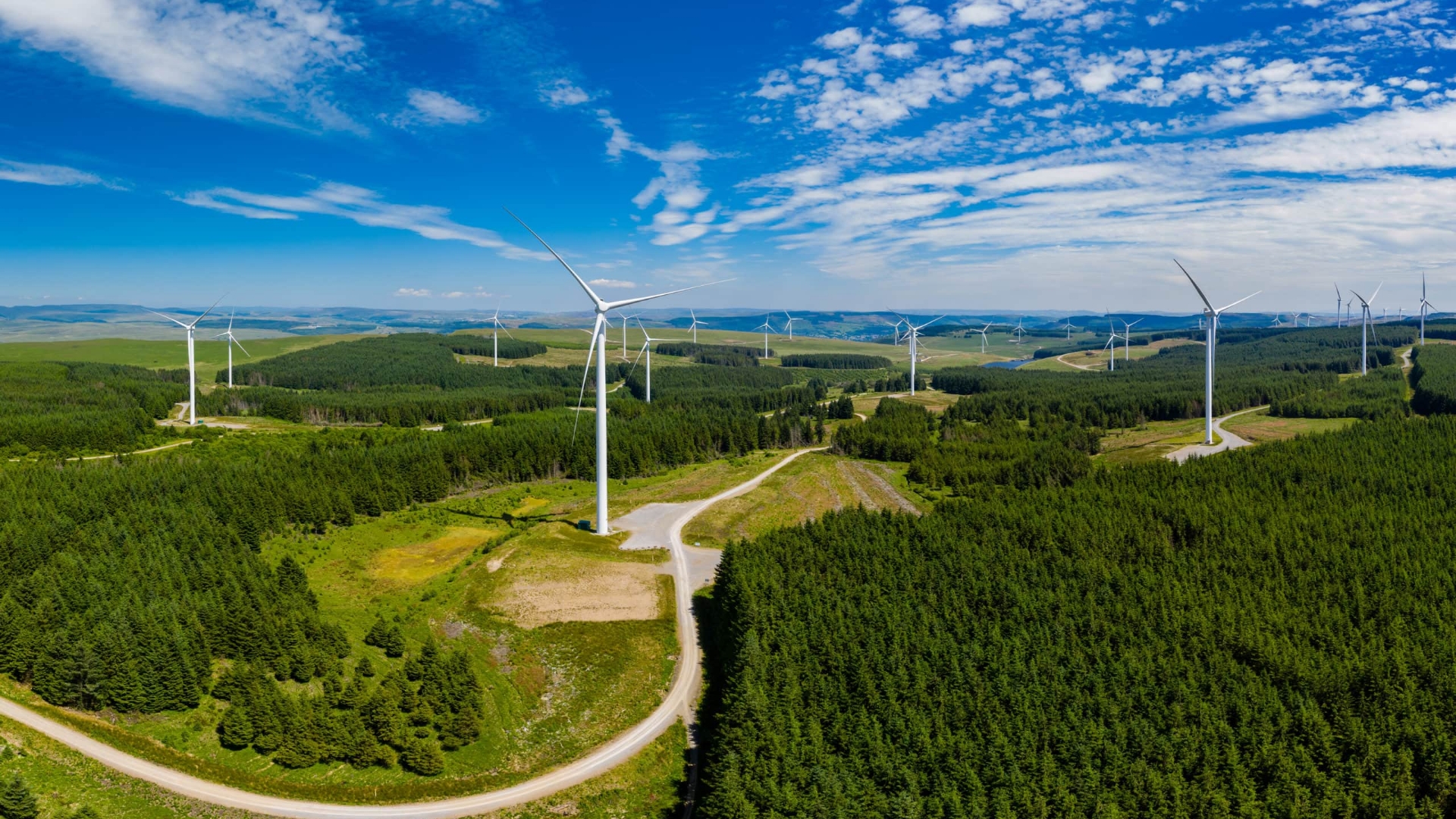
Working in partnership with community energy charity Awel Aman Tawe, we have committed to make up to 20% of our Y Bryn project available for community ownership once this moves into construction.
Other ways communities benefit
01. Community spaces
Community funds currently support and enhance a wide range of community spaces, from community cafes, men’s sheds, food pantries, village halls through to reading rooms and even bus shelters.

02. Youth organisations
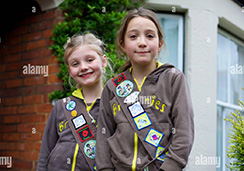
Adventure days, expeditions, and residential weekends have been funded for Rainbows, Brownies, Guides, Beavers, Cubs, and Scouts, while sports kits and equipment have been provided for youth football teams.
03. Local events
Funds have been used to support a wide range of community events near our projects, from crofters' shows to firework displays. Pantomimes to street parties.

04. Sports facilities
Grants have helped local bowls, football, rugby, football, tennis, cricket and swimming clubs improve their facilities and encourage greater participation.

05. Recreation
New and improved walking trails have been provided, footbridges refurbished and playgrounds and sensory gardens created. Proposals for Y Bryn wind farm also include new forest mountain bike tracks.

06. School engagement
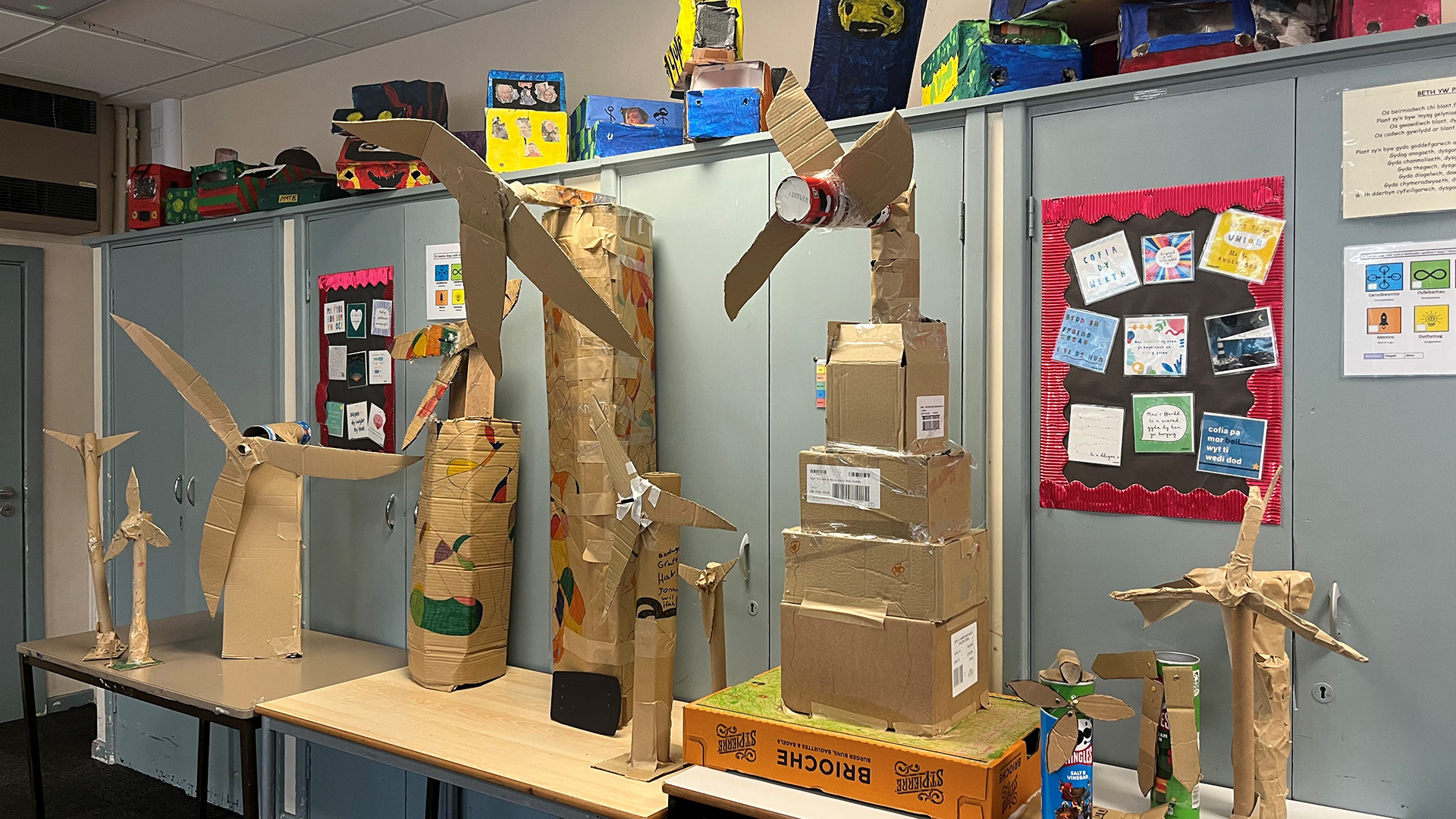
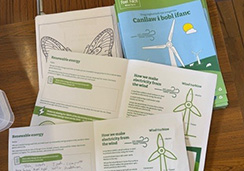
We are always pleased to engage with schools near the projects we're developing and explore with students of all ages the opportunities and challenges of moving to more sustainable forms of energy.
We’re glad you asked…
A community benefit fund is set up for all our wind farm projects to benefit host communities. What these funds are used for, and how they should be administered, and left for local communities to decide. Examples of schemes on projects developed to date are shown on the Projects Pages.
Beyond community funds, communities have the opportunity to acquire an ownership stake in the wind farm projects we develop if they wish, and local suppliers are used wherever practical to maximise projects' economic benefits.
Once development of a project begins, we usually run a series public exhibitions to make local communities aware of our proposals and seek feedback. Newsletters are also distributed where appropriate and updates provided throughout the development process on the Projects page.
We also engage directly with elected bodies, local third sector organisations and a range of other local stakeholders
The consultation process continues until the final proposals are developed at which point a formal planning application is submitted. Copies of this are made available on the Projects page and, if requested by the planning authority, in printed form at various locations in the local community.
The relevant planning body then formally consult with a range of statutory and other consultees to gather their views on the proposal. The local community and individuals are encouraged to provide formal input during this phase and all of this is published by the relevant planning body on its “planning portal”.
Where appropriate we provide further information to address any concerns raised after planning submission, and the planning body then formally reconsults on this.
Once all consultation inputs have been received, the planning body then uses this to form a balanced view on whether or not planning permission should be granted.
If planning permission is granted, and a project moves forward into construction, a community liaison group is formed and meets regularly to keep the community informed of progress and planned works.
The only part of a wind farm site that is usually be fenced off is the substation (for safety reasons as this contains high voltage electrical equipment). Habitat management areas might also be fenced off, but this would only be done if necessary to ensure they achieve their intended environmental benefits.
Battery energy storage projects are fenced off for the same reasons as wind farm substations, but these have relatively small footprints.
A solar farm would be fenced around its full extent, owing to the nature of equipment.
Renewable energy projects are usually designed around existing rights of way which will remain unchanged (save for any temporary restrictions that may be needed during construction for health and safety reasons). It may very occasionally be requested to relocate a right of way, but this would need to be approved as part of the planning application for the project.
Noise limits are also tightly controlled by the planning system. Background noise monitoring is typically carried out as part of the Environmental Impact Assessment, then planning conditions are set to ensure renewable energy projects do not give rise to noise nuisance.
Depending on the particular project some trees may need to be felled, but at least as may trees are replanted, and every project is designed to result in an overall net gain in biodiversity.
Where a wind farm is located in commercial forestry, a “keyhole” approach can be adopted for some or all of the project (depending on the age of coups and wider forest management plan) to minimise the amount of felling needed. On sites where wider felling is undertaken, trees are usually replanted so as to leave a small unplanted keyhole beneath the turbines.
Detailed surveys of birds, protected species and habitats are undertaken, often over a number of years, and the results of these are used to help sensitively design each project. To the extent that any unacceptable impacts remain in the final design these are addressed through habitat management schemes that might take the form of woodland planting, creation of new habitat management areas or peat restoration programmes as discussed on the sustainability page.
Some level of local disruption may be experienced during construction, but routes to be used HGVs and delivery of turbine components are set out and approved as part of the planning application.
A community liaison group is formed before construction begins and meets regularly throughout the construction process to ensure any impacts are minimised. A “roads bond” is provided to the local authority to ensure that any damage caused to the highway network is fully reinstated.
Where roads need to be widened, or difficult junctions improved to allow turbine components to be transported to site, these may be adopted by the local authority where beneficial and leave the road network in a better state than before a project was constructed.