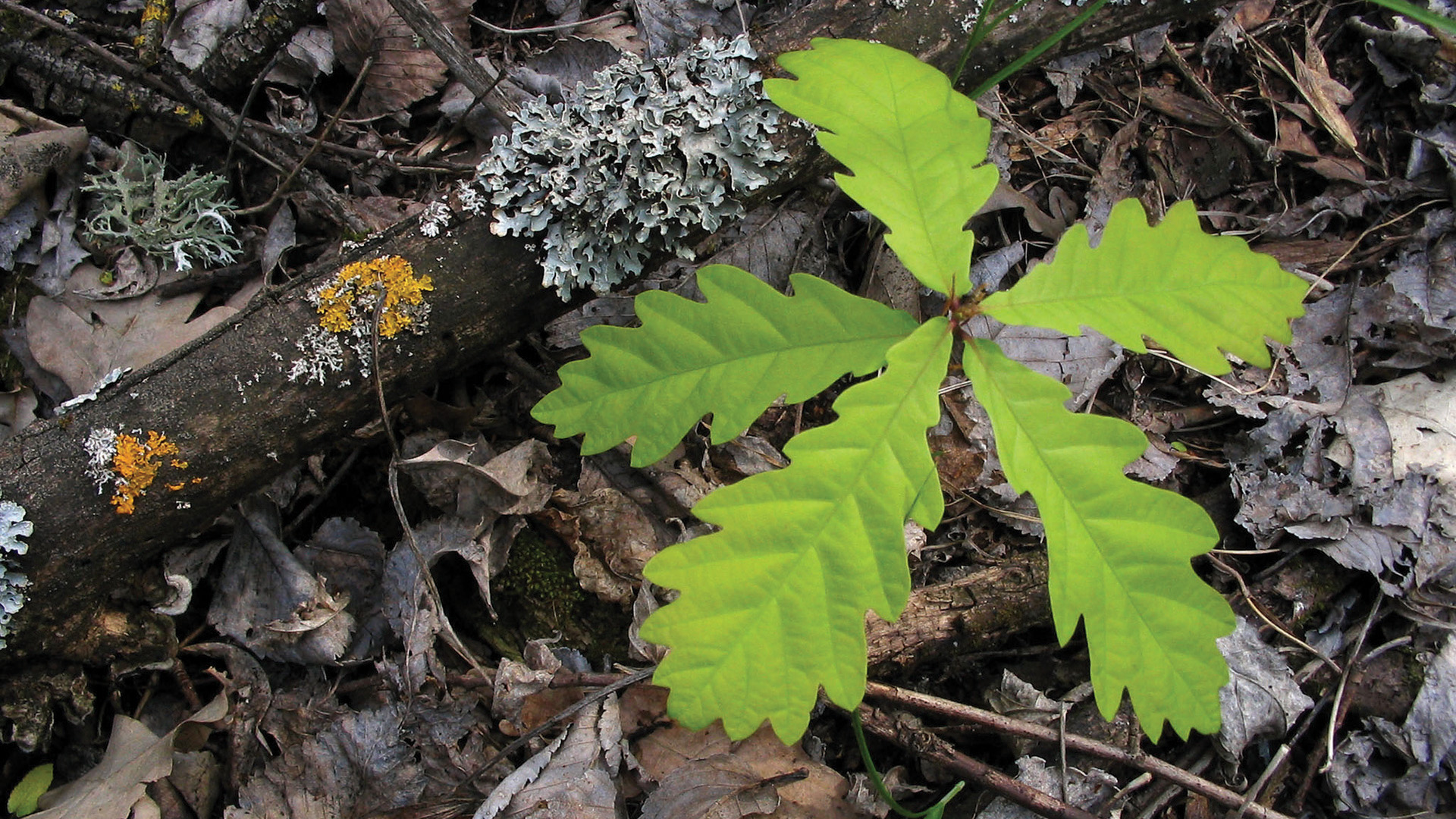
By design
All our sites are carefully selected, avoiding areas of national landscape or ecological importance. Independent consultants carry out detailed surveys, often spanning several years, to confirm the suitability of each location.
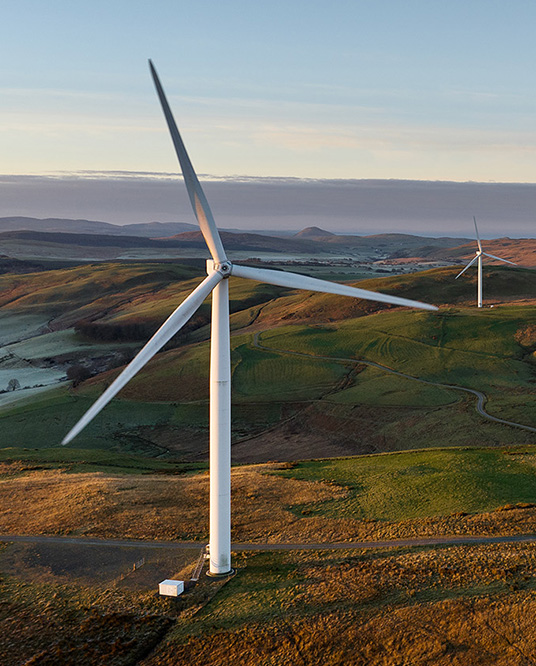
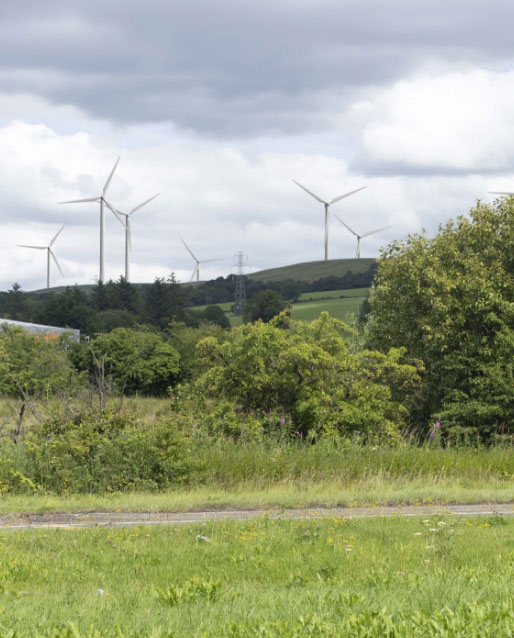
Environmental impacts are minimised at every stage of development, with project infrastructure being carefully positioned to avoid watercourses, areas of deep peat, and other sensitive habitats. We also consider how each project will appear from multiple viewpoints and working closely with independent landscape architects to create designs that fit as naturally as possible into the surrounding environment.

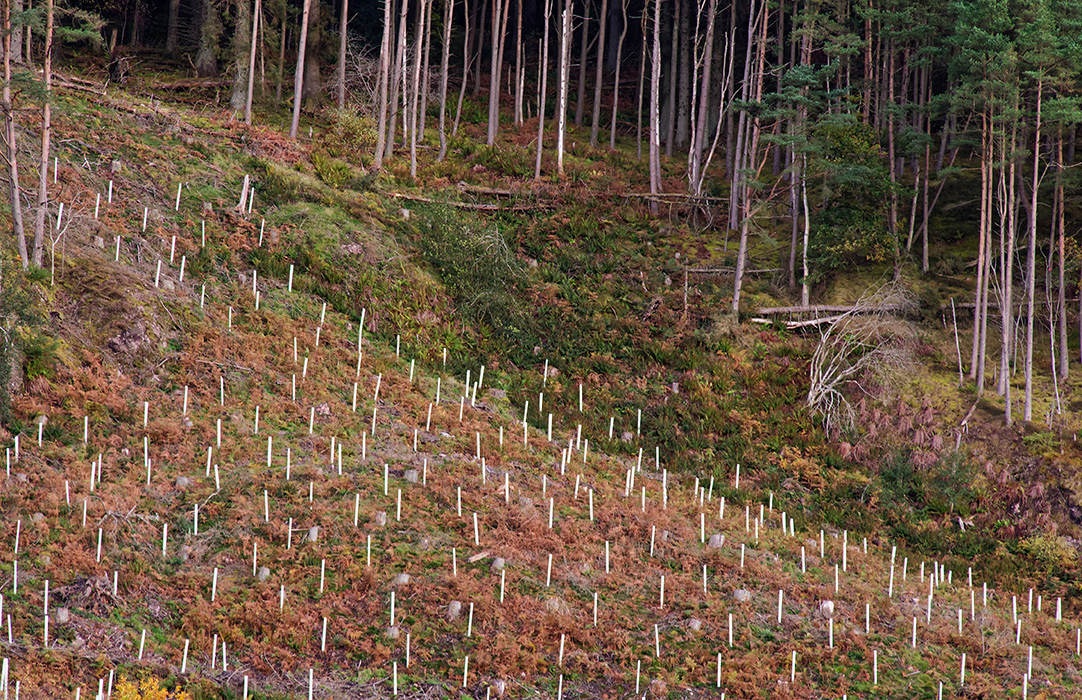
Detailed habitat management plans are created to make sure that, as well as helping to combat climate change, our projects also result in an overall biodiversity net gain. These plans can include woodland planting schemes, areas for eagles to forage, creation of ponds and the restoration of degraded peat bogs depending on exactly what’s needed.
How we make a difference
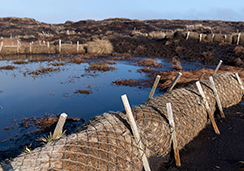
01. Peat restoration
As part of our Glendye project, over 1,200 acres of peatland will be restored, boosting carbon storage, reducing downstream flooding, and supporting a greater abundance of insects — a crucial food source for many endangered bird species.
02. Woodland planting
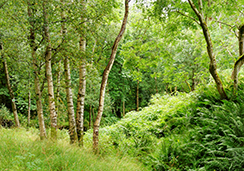
Over 280 acres of new broadleaved woodland will be created as part of our Vale of Leven project with a mix of Oak, Birch and other native species. Similar schemes are proposed at many of our other projects.
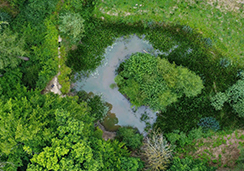
03. New ponds
As part of our Y Bryn project, we are creating new ponds to provide habitats for plants, insects, and amphibians. These ponds will also help manage excess water during heavy rainfall, slowing runoff into watercourses and reducing the risk of flooding.
04. Habitat creation
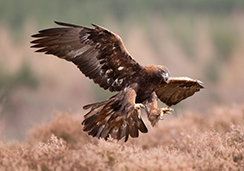
At our Blarghour project, 230 acres of commercial plantation forestry is being felled to create foraging habitat for Black Grouse and Golden Eagles.
05. Hedgerow planting
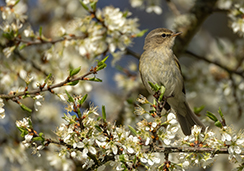
Hedgerows provide habitats and corridors for wildlife, supporting pollinators and enhancing biodiversity. At our Vale of Leven project over 2km of existing fencing will be replaced by new, species-rich hedgerows using a mix of hawthorn, crab apple, hazel, blackthorn and holly.
06. Control of invasive species
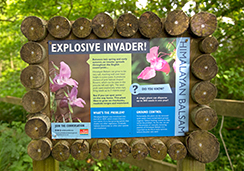
Invasive species such as Himalayan Balsam and Japanese Knotweed crowd out native plants. At our Y Bryn project, these will be carefully removed to allow natural flora — and the pollinating insects that rely on them — to recolonise the site.
See more of our work
We’re glad you asked…
Some text
Example