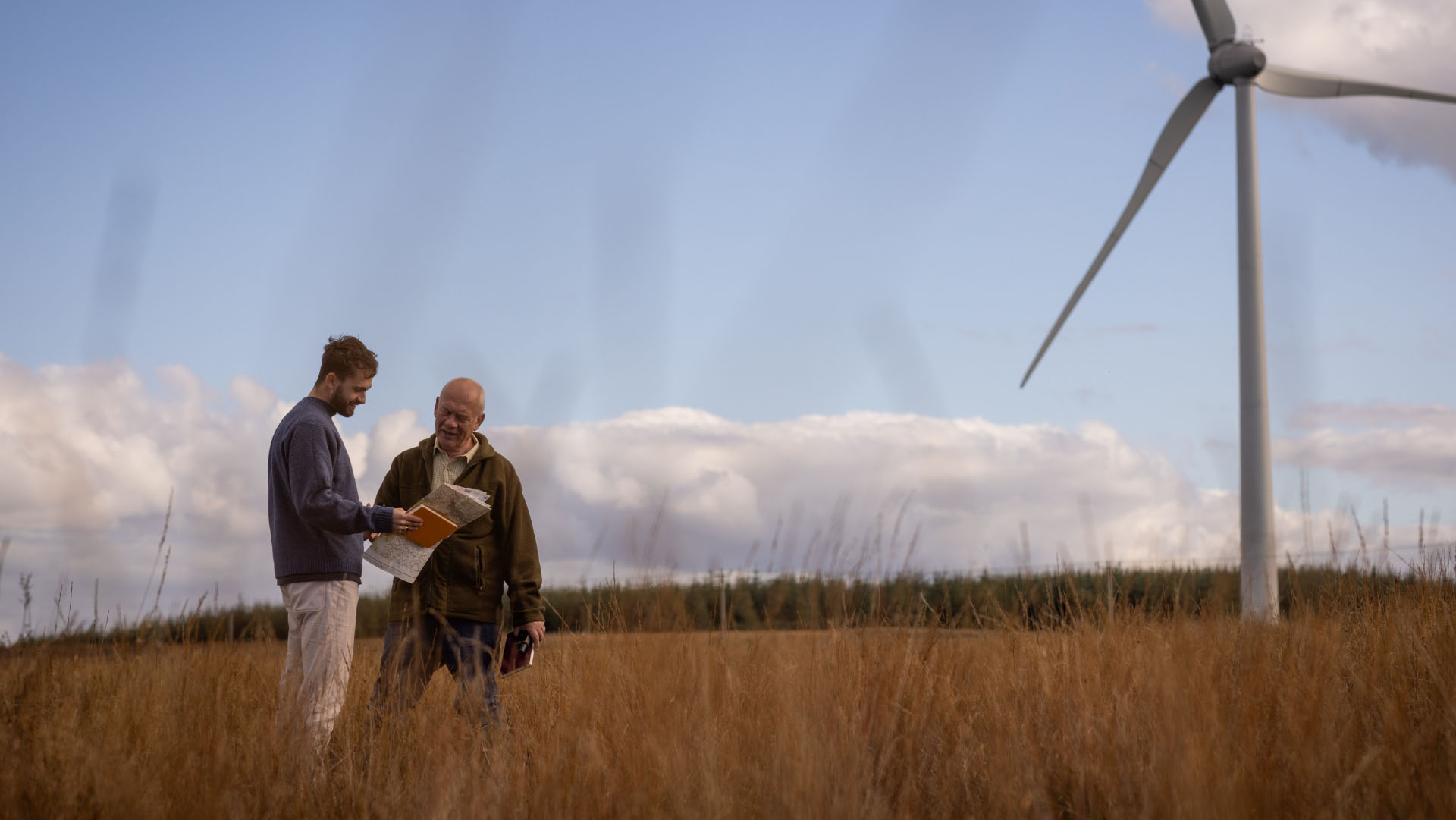
This is a test caption...
Photo credit:
Howden Camera Club
Landowners
We’ve built strong, open relationships with our project landowners over many years and are experienced in dealing with a wide range of practical concerns - whether that’s impacts on farming or grazing, drainage, fencing, or sporting interests. We are also used to working on forested land and have been selected by both Forestry and Land Scotland and Natural Resources Wales to develop wind farms on their landholdings.
All development costs and risks are covered by ourselves. We typically begin by entering into an option agreement over the site while we work to secure planning permission, grid connections, and third-party consents. Once these are obtained, we then move to a long-term lease for construction and operation, during which ongoing rental payments and made for the use of the land.
If you think your land might be suitable, please share the details of the site via our site appraisal page, and a member of our development team will be in touch.
Land Agents
Over the years, we’ve worked collaboratively with a wide range of land agents across the UK and always welcome their involvement. Their understanding of commercial terms and market practice can help ensure that agreements are fair, balanced, and structured to meet the needs of all parties.
To help landowners access independent advice, we cover the cost of land agent fees and all legal expenses associated with negotiating and completing formal option and lease agreements.

The project lifecycle explained
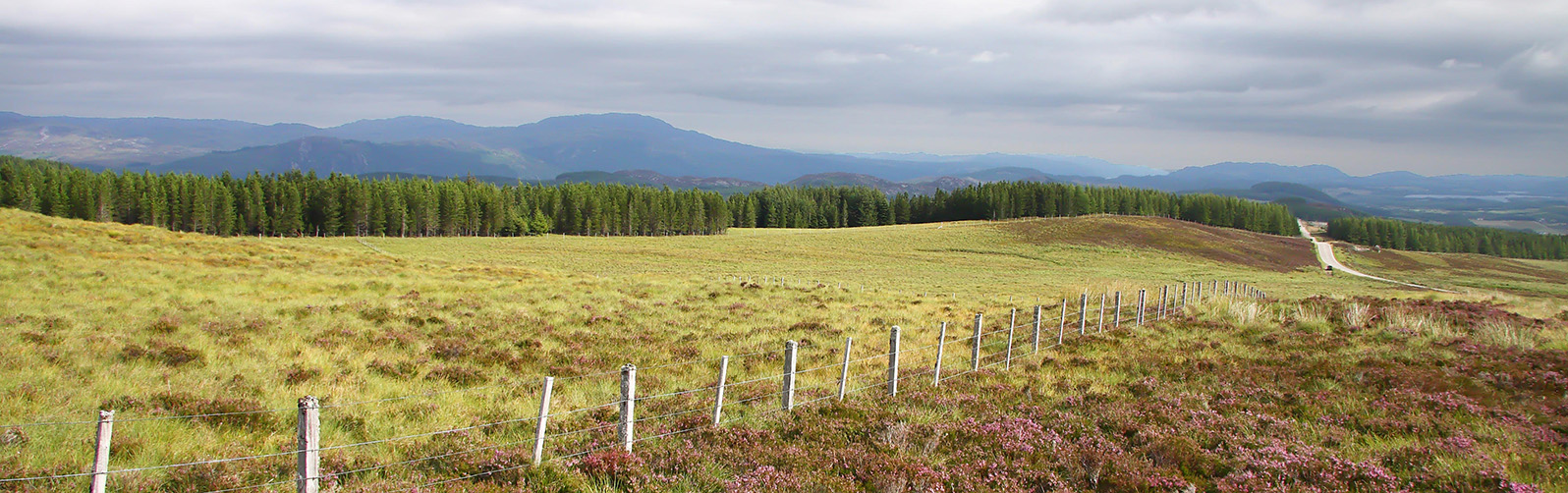

Potential new sites are carefully screened for environmental suitability, wind resource and proximity to the grid. For those that meet these criteria, commercial terms are agreed with the landowners and projects then move forward into development.

Detailed environmental surveys are undertaken, often over several years, to inform designs and avoid unacceptable impacts. Local communities are consulted, planning applications submitted, and connection agreements negotiated with the network operators.
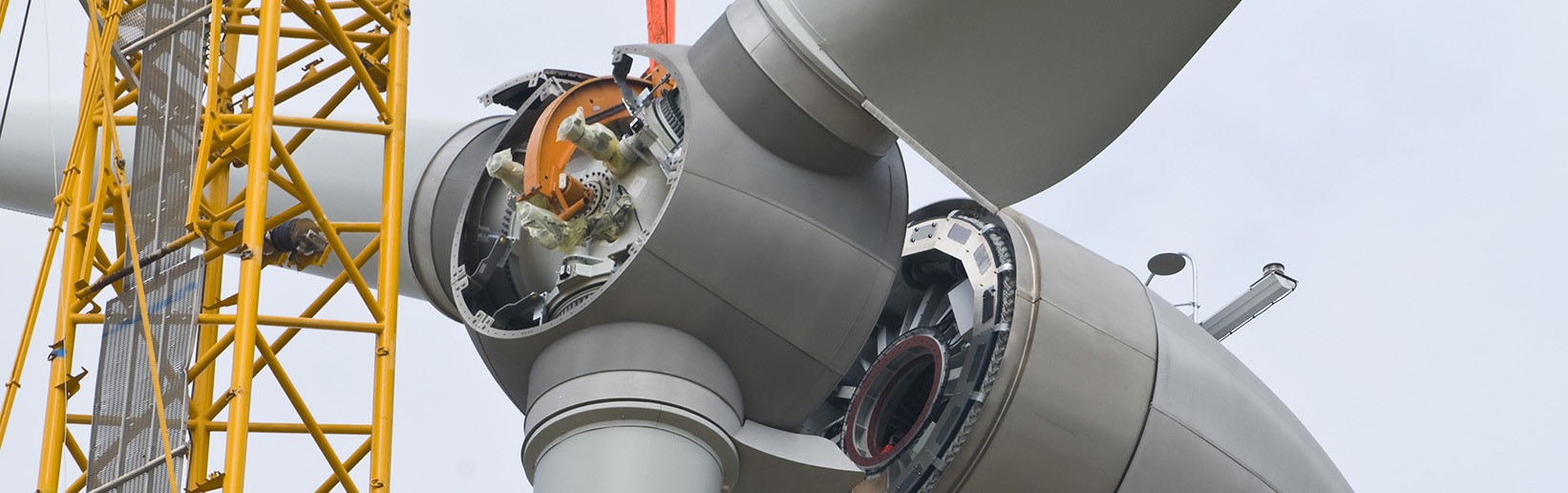

Following planning approval, electricity sales contracts are negotiated and the project moves into construction. This typically takes 12–24 months, with local contractors used where possible. A community liaison group keeps residents informed throughout.
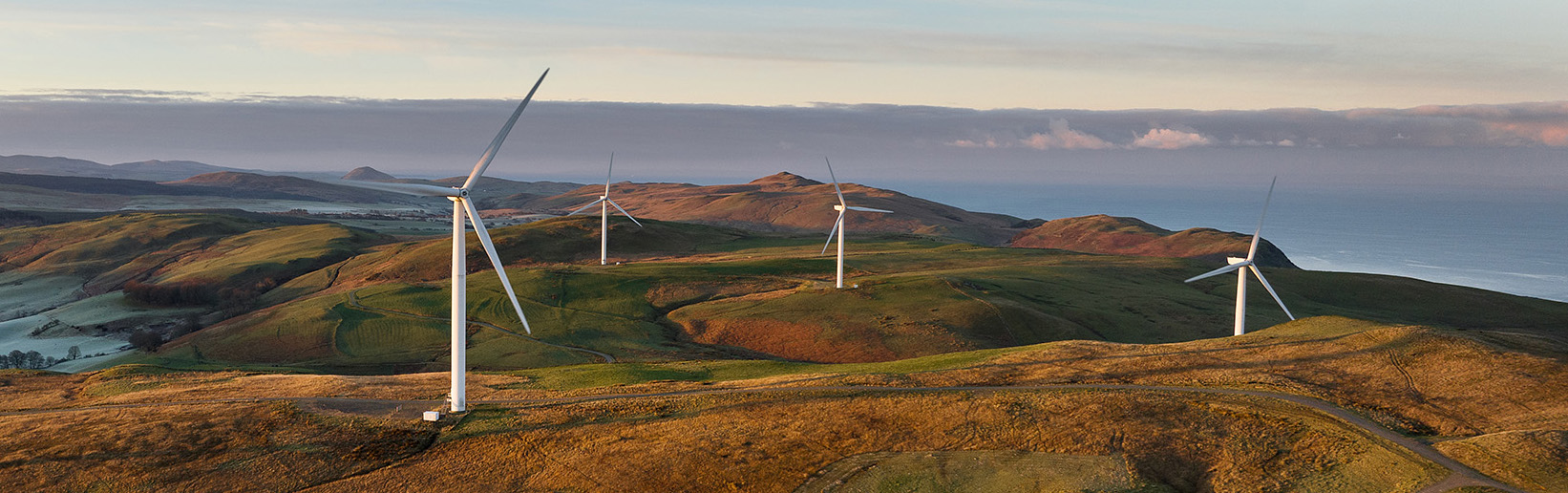

Once operational, a project generates clean power for 30–40 years. Very little ongoing maintenance is needed and availability levels are typically over 97%. Part of the income generated is used to support a local community fund.
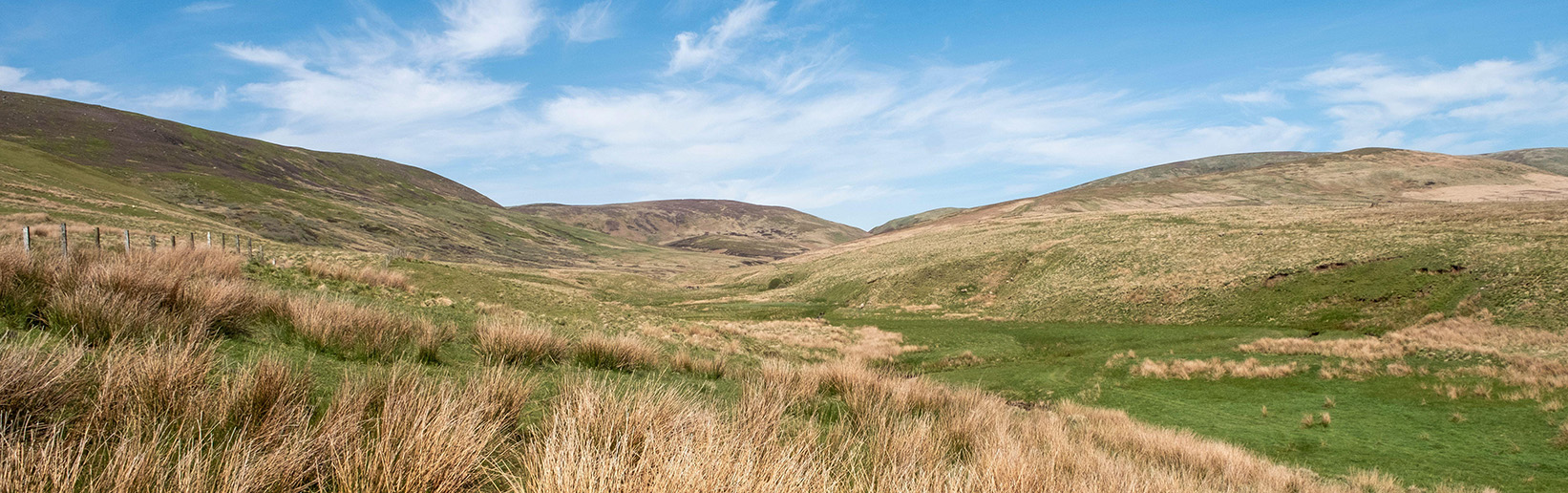

At the end of a project’s life the wind turbines and other equipment are removed from site and the foundations broken down to a depth of at least a metre. The land is then restored or a fresh planning application submitted to develop a new project.
We’re glad you asked…
Requirements vary depending on the type of project, but for a wind farm we initially look for an exposed site of at least 300 acres (120 hectares) (either on its own, or in combination with neighbouring properties), outside of any areas that are nationally designated for landscape (such as National Parks) or ecology (such as SPAs), away from houses and if possible close to grid.
We are a specialist, independent clean energy company - and developing new projects is our whole business.
With many years of experience, we’ve progressed a wide variety of sites, each with its own unique challenges, and built an excellent track record for delivering robust, well-designed projects.
For each new site the company takes on, an experienced development manager is appointed from the outset, and both they, and the wider business, work hard to develop close and open relationships with all landowners involved at all stages of the development process.
Nothing. We will reimburse all third party costs you incur in negotiating commercial terms and legal agreements with us, while also paying option fees for the right to take a lease once the project is ready to move into construction. In the lease phase we will pay you a rent for the use of your land and also compensate you for the loss of any growing crops or need to repay any pre-existing grants.
Payments are negotiated on a project by project basis and depend on the technology, capacity of the project, its proximity to the grid and the level of energy resource. In all instances however these would almost always be significantly higher than the income streams available from other rural land uses. These would also be index linked for the life of the project to keep pace with inflation
During the development phase for any renewable energy project the great majority of work comprises (mainly non-intrusive) surveys and the only physical equipment that might be installed is a guyed meteorological mast. There will be little or no impact on existing land uses and all we ask is that landowners don’t do anything that would reduce the prospects of getting planning consent or otherwise prejudice the project.
During the construction phase there will (for health and safety reasons) be restrictions on the use of different areas of the site at different times. Depending on the technology and size of the project this could last for up to 2 years but, once work is complete, landowners can generally use all land that isn’t built upon or required for habitat improvement.
Leases typically last for up to 40 years, sufficient to allow for construction, commercial operation, then decommissioning and reinstatement at the end of the project’s life. Shorter lease periods generally aren’t economic as these don’t give sufficient time to recoup the initial capital investment.
For a wind farm it usually takes about 3 years to prepare and submit a planning application. This is because of the need to prepare a detailed Environmental Impact Assessment which in turn requires a wide range of environmental surveys to be carried out - often for a number of years.
Planning applications for wind farms are normally determined in around 2 years, but this can take significantly longer where appeals or public inquiries are needed.
Once planning permission is granted the conditions attaching to this need to be discharged before construction can commence.
Battery energy storage projects have much shorter development periods of perhaps a couple of years but programmes for these projects are usually dictated by grid connection lead times rather than the time required for development.
This would be provided by the local electricity distribution or transmission company (with whom we would negotiate a contract to connect the project to the existing grid as part of the overall development process).