KIR_Hero_DJI_0502.jpg

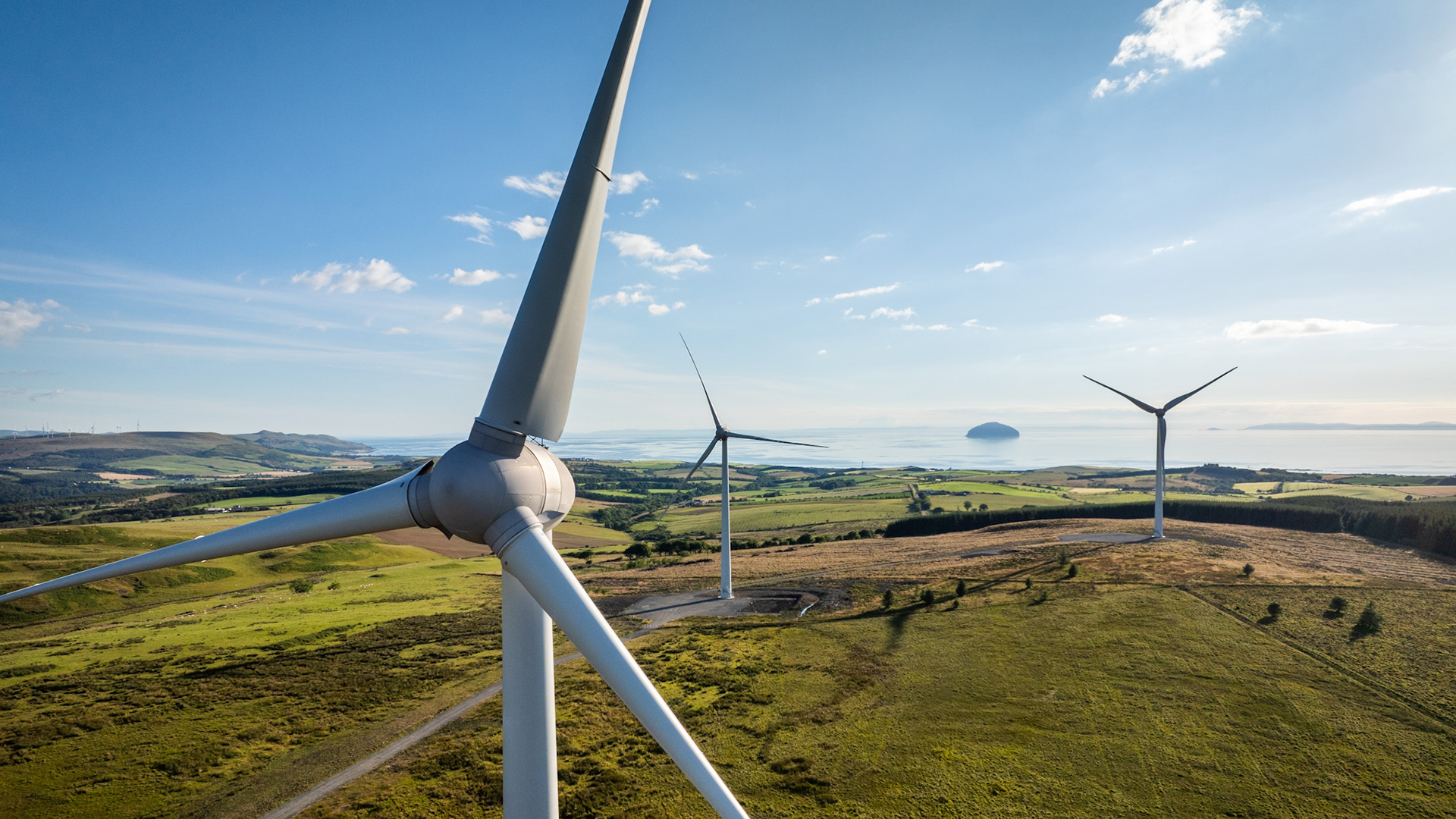
Kirk Hill Wind Farm
South Ayrshire

Project

Case study

Type:
Wind Farm

Status:
Operational

Owner:
Kirk Hill Co-op and Bruntwood

Majority-owned by a co-operative society with 5,600 individual members, Kirk Hill is the UK's largest community-owned wind farm.

8

Turbines

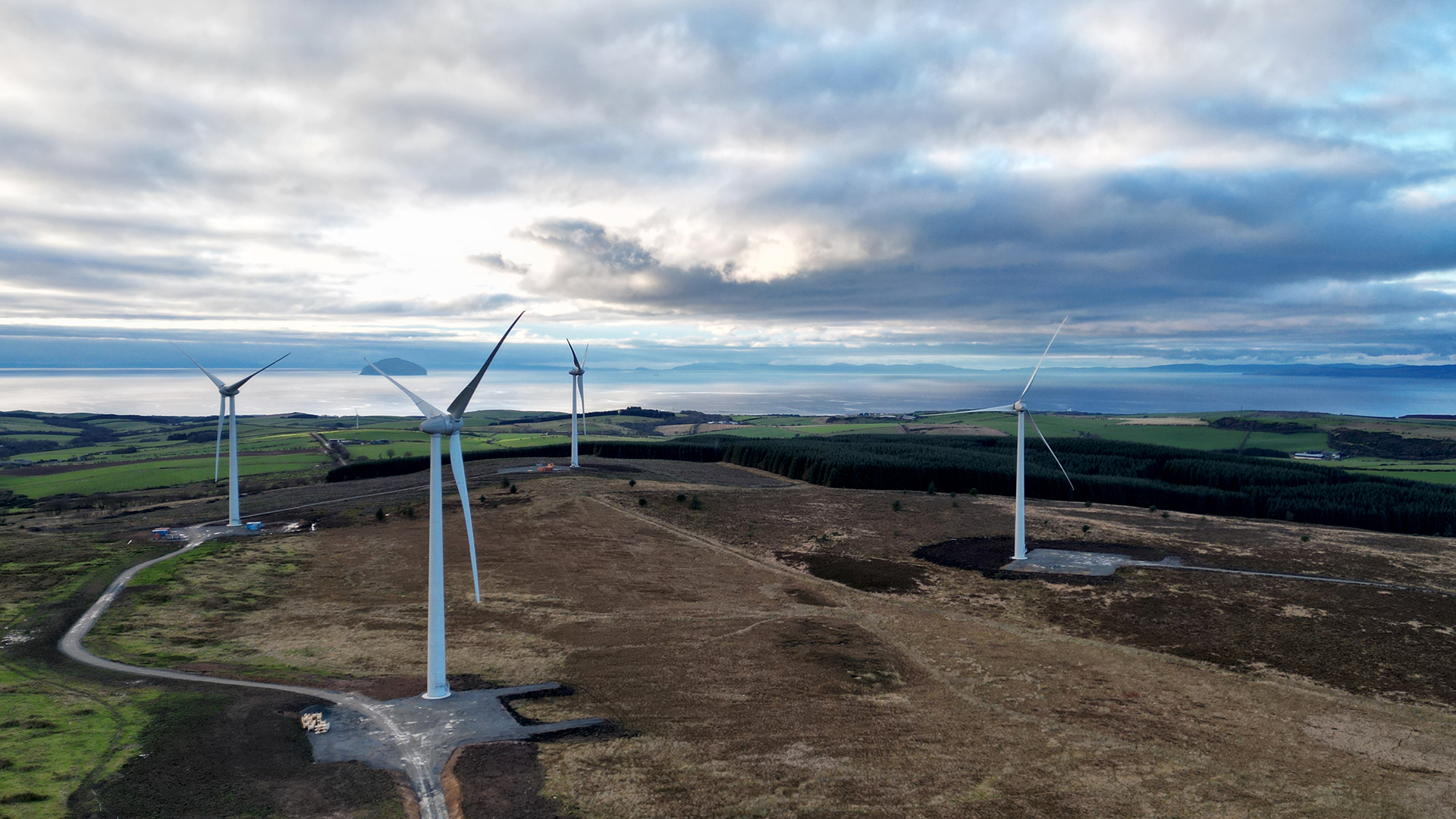
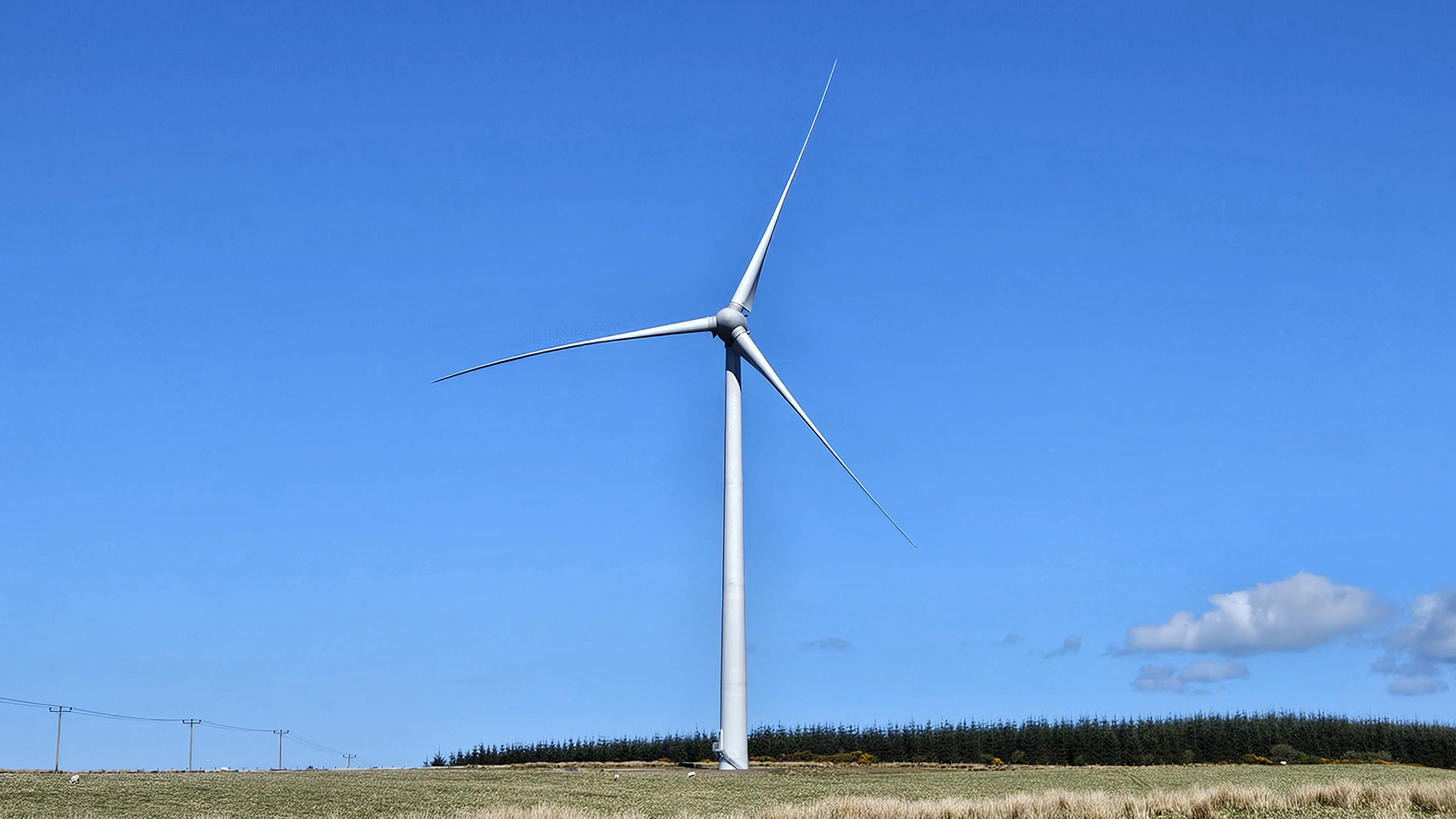
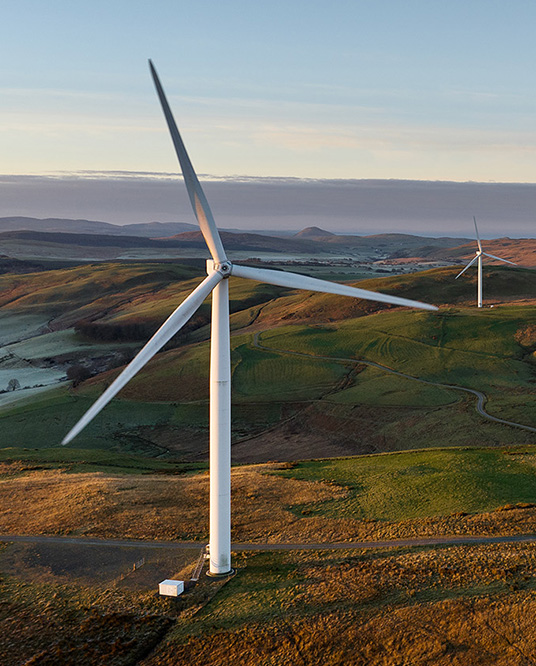
The wind farm comprises eight Enercon E92-2.35MW turbines, each with a rotor diameter of 92m and maximum tip height of 115m.

18

MW

Maximum generating capacity is 18.8 Megawatts.

7

Landowners

Turbines are built on land leased from three local farmers, with the wind farm substation being located on land leased from a fourth. A further three landowners are involved for road upgrades or other infrastructure.

2024

Commissioning

Commercial operations started in May 2024 and are expected to continue for 25-35 years

Overview

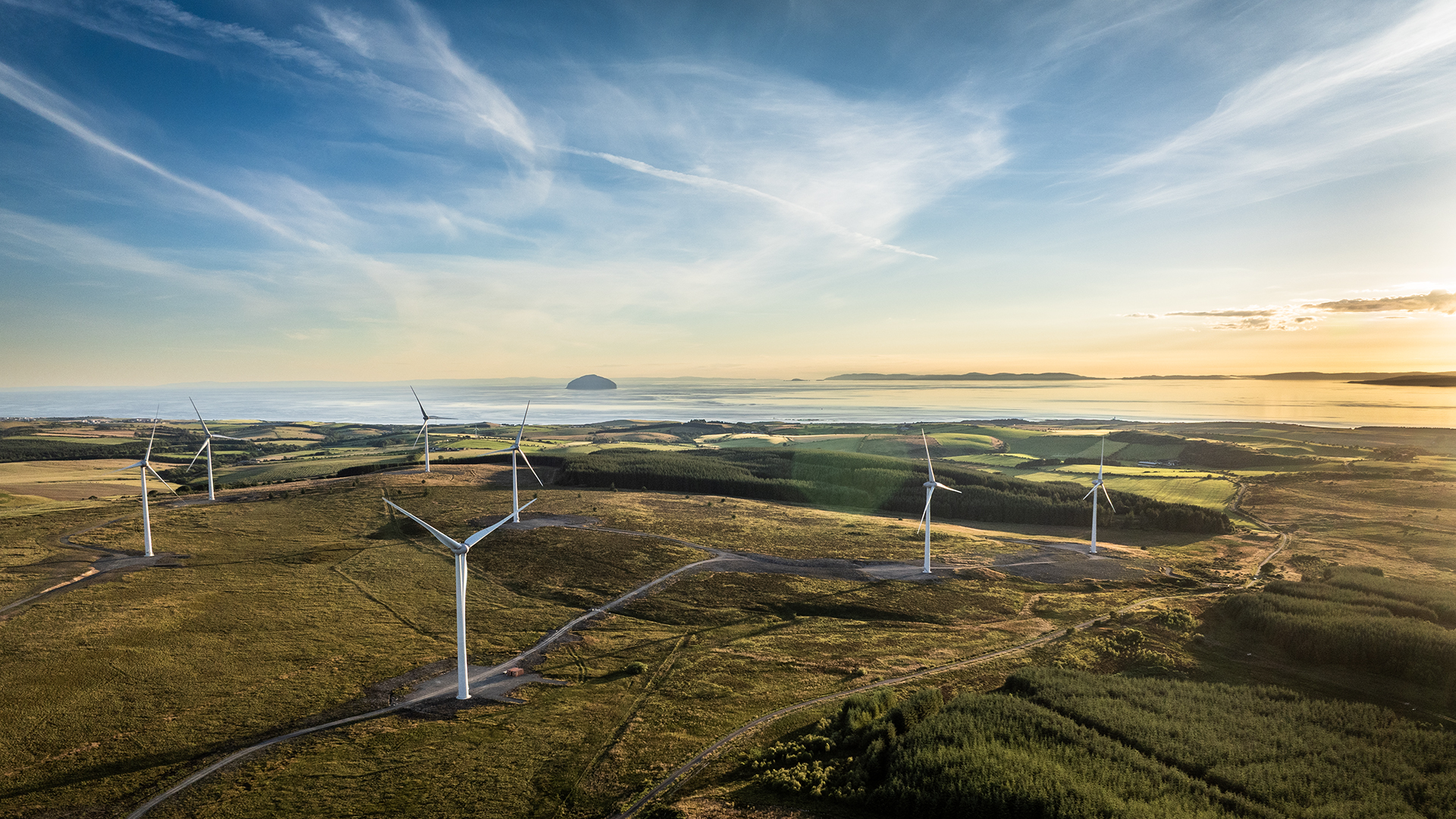
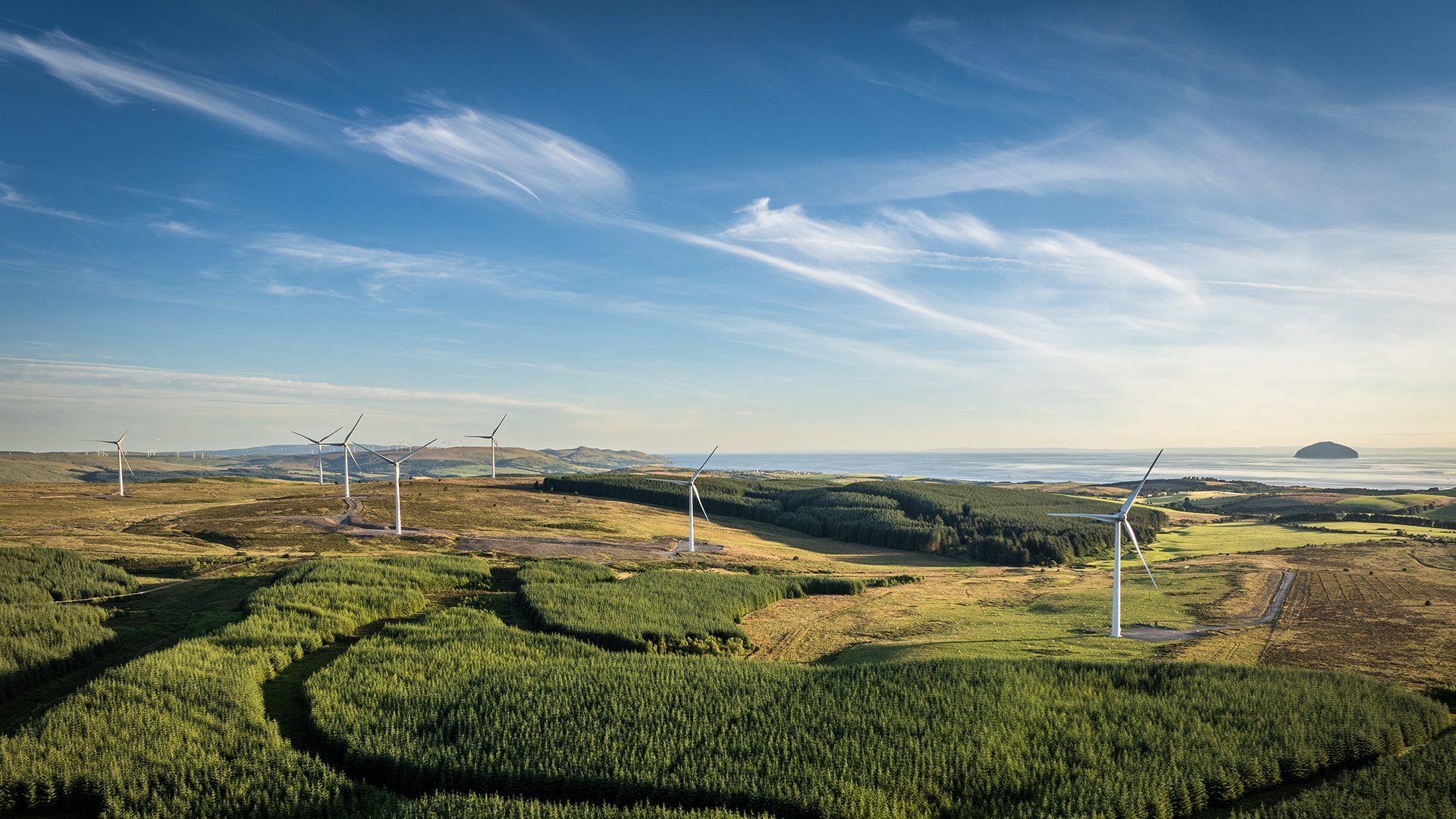
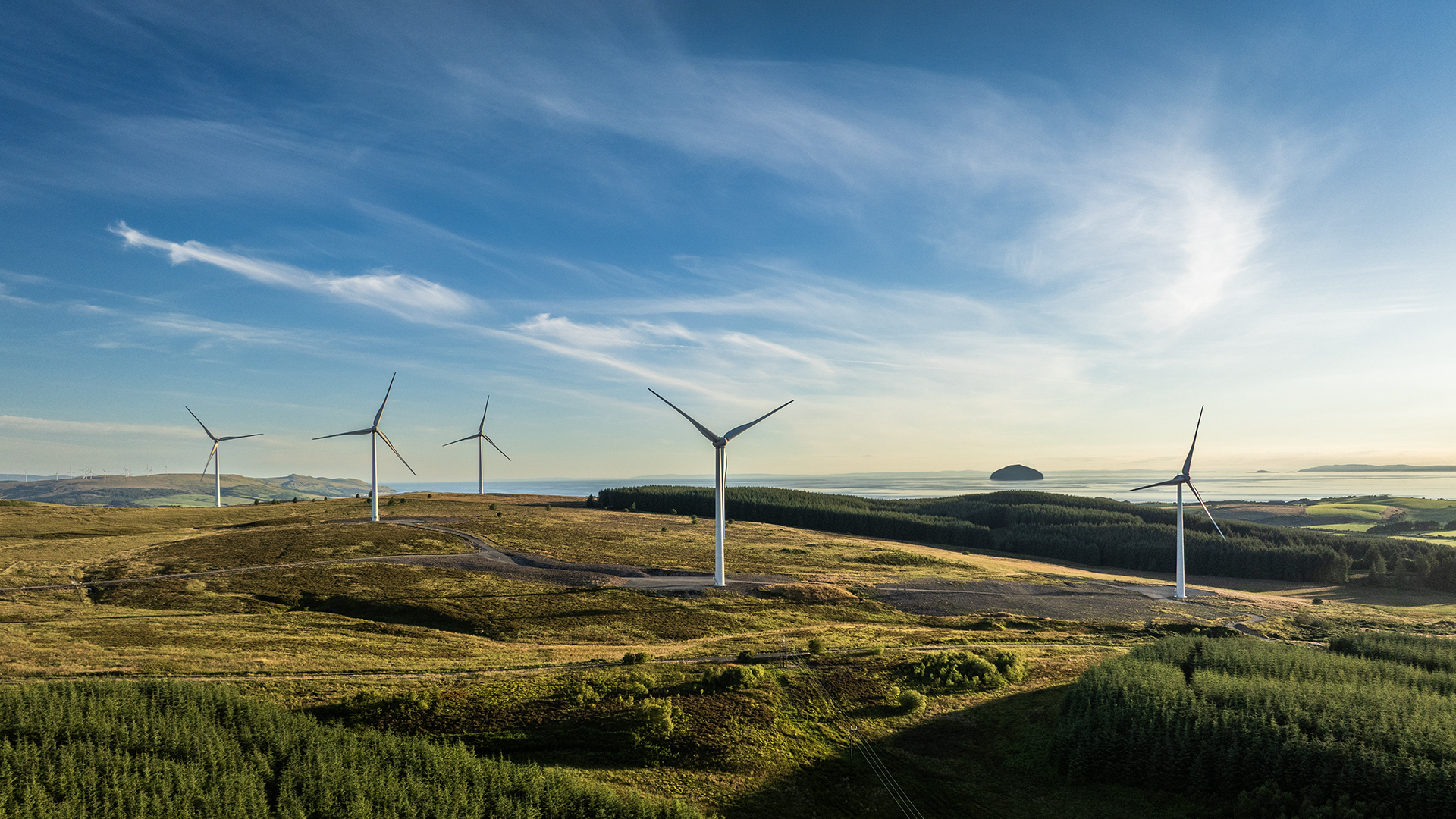
Kirk Hill Wind Farm is located on agricultural land approximately 5 km inland from Trump Turnberry golf course in south-west Scotland, offering views of the iconic Ailsa Craig off the coast. 

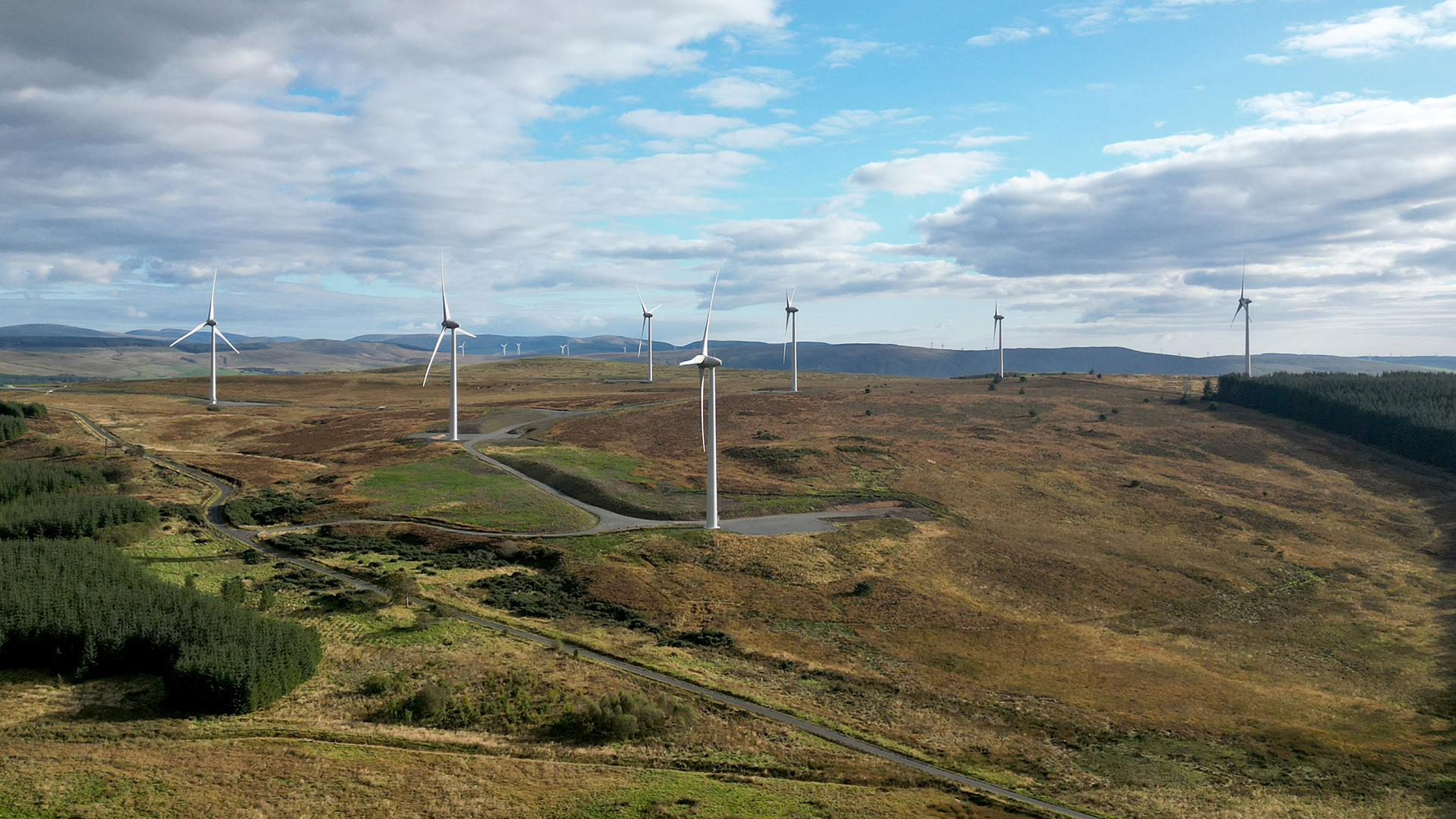
The development comprises eight Enercon E92-2.35 MW turbines, providing a total installed generating capacity of 18.8 MW.  Access is taken from the A77 and then directly off the U62 which runs through the middle of the site.

Timeline

The planning application for the project was submitted in December 2014 and, following an initial refusal by South Ayrshire Council, consent was granted on appeal by Scottish Ministers in February 2017.

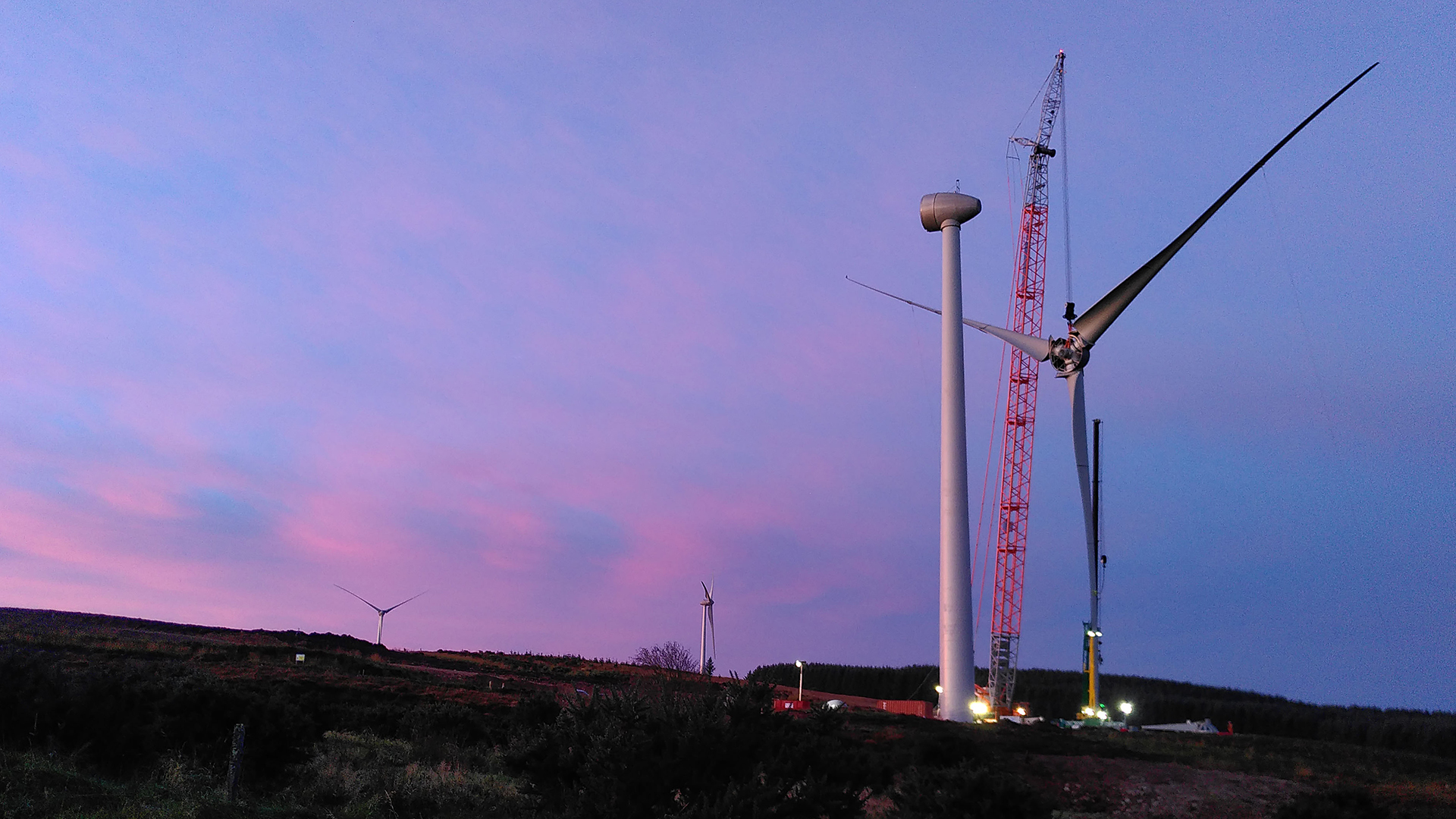
Ripple Energy completed a public share offer to fund the Kirk Hill co-operative in May 2022, with construction of the wind farm commencing in February 2023.  The project achieved energisation in April 2024, before entering commercial operation in May 2024.

Community

Kirk Hill Coop has 5,600 members that live across the UK. Each of them purchased a ‘wattage amount’ of generation capacity for the 25-year lifetime of the project.  Members benefit from zero carbon electricity delivered via the national grid and, for many members, this equates to their entire annual electricity needs (including that needed to heat their homes and charge their EVs).

Members also receive a share of the profit from the sale of their electricity share to suppliers.  As profits go up when electricity costs are high, this has the effect of helping members to stabilise their energy bills over time.

The wind farm also provides a £94k/yr community benefit fund to the Dailly Community Development Trust and North Carrick Community Benefit Company.  This is used to support a wide range of local initiatives in the local area, such as improving the children’s play area at Loaning Play Park.

Location

55° 18′ 34″ North, 4° 44′ 18″ West

The impact

What is being delivered

0

million kWh/year

On average, the wind farm generates around 43.1 million kilowatt hours of electricity a year. Enough charge over 2,000 electric cars a day.

Based on a rolling average load factor of 26.2% to November 2024 and an electric car battery capacity of 58kwh (as found in a Tesla Model 3 or VW ID3)

0

Homes powered

The output from the wind farm is enough to meet the electricity needs of 13,200 average UK households.

Based on a rolling average load factor of 26.2% to November 2024 and DESNZ Subnational Electricity and Gas Consumption Statistics statistics showing that annual GB average domestic household consumption is 3,239kWh (updated January 2024).

0

Minutes

In high winds, the wind farm produces enough electricity to power an average UK home for a year in 10 minutes.

Based on DESNZ Subnational Electricity and Gas Consumption Statistics statistics showing that annual GB average domestic household consumption is 3,239kWh (updated January 2024)

0

Tonnes of CO2 saved to date

The CO2 emissions saved by the wind farm are equivalent to planting over 750,000 trees, or to removing 12,500 cars from the road.

Based on:

  1. DESNZ's “all non-renewable fuels” emissions statistic of 437 tonnes of carbon dioxide per GWh of electricity supplied in the Digest of UK Energy Statistics (July 2024) Table 5.14 (“Estimated carbon dioxide emissions from electricity supplied”)
  2. DfT's NTS0901 statistic (August 2024) of an average diesel car covering 8,300 miles per year and manufacturer's published emissions data for a VW Golf 2.0 TDi of 115g/km
  3. EcoTree estimate that a typical tree absorbs 25kg CO2 per year

The project

In pictures

KIR_Gallery_DJI_0555.jpg
KIR_Gallery_DJI_0541.jpg
KIR_Gallery_DJI_0522.jpg
KIR_Gallery_DJI_0362.jpg
KIR_Gallery_DJI_0112.jpg
KIR_Gallery_20240424_150057.jpg
KIR_Gallery_20231017_073322.jpg
man in orange jacket

Finding a better way

This is our story