
At a glance
Type:
Wind Farm
Status:
Planning granted
Partner:
ESB
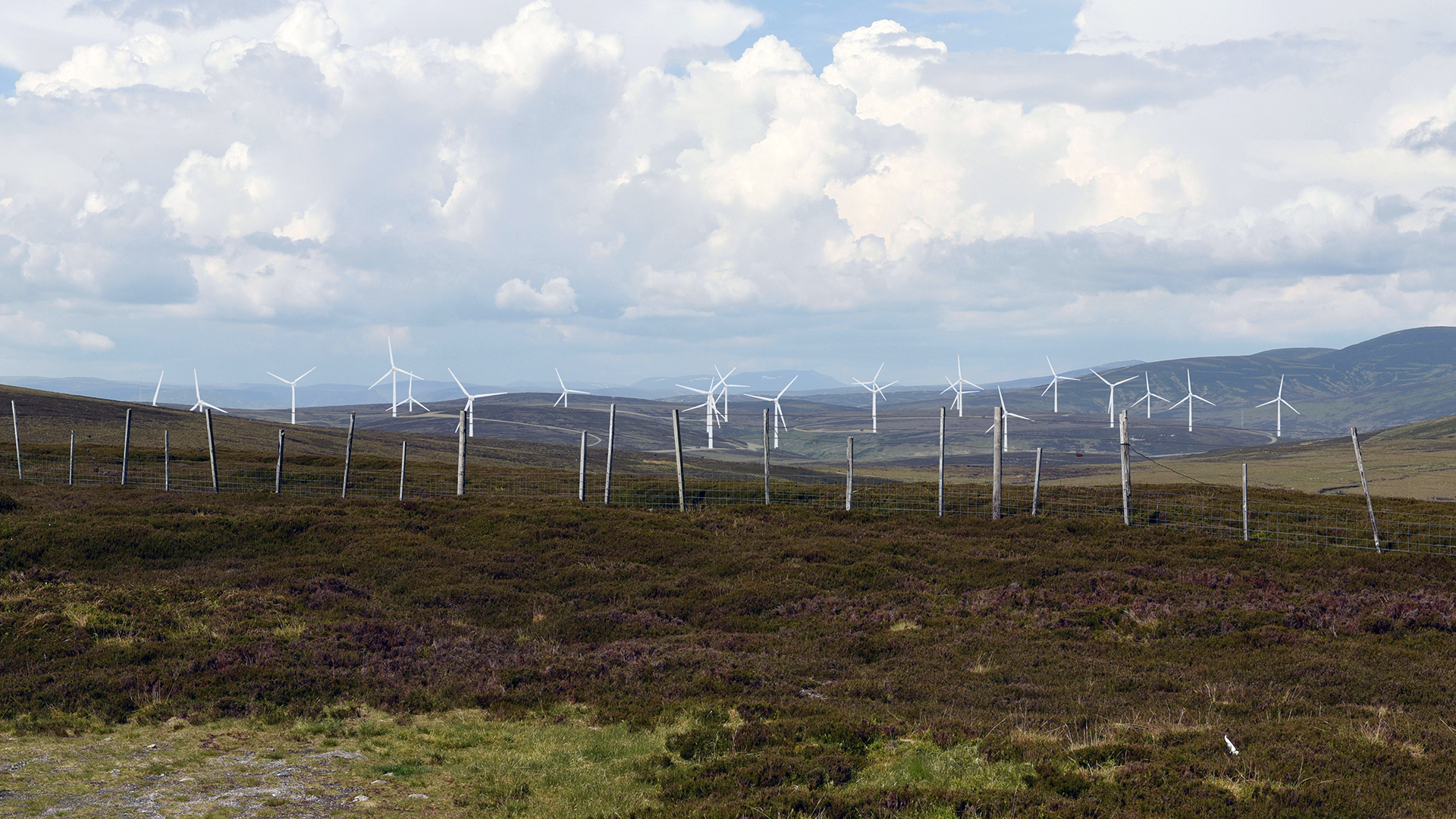
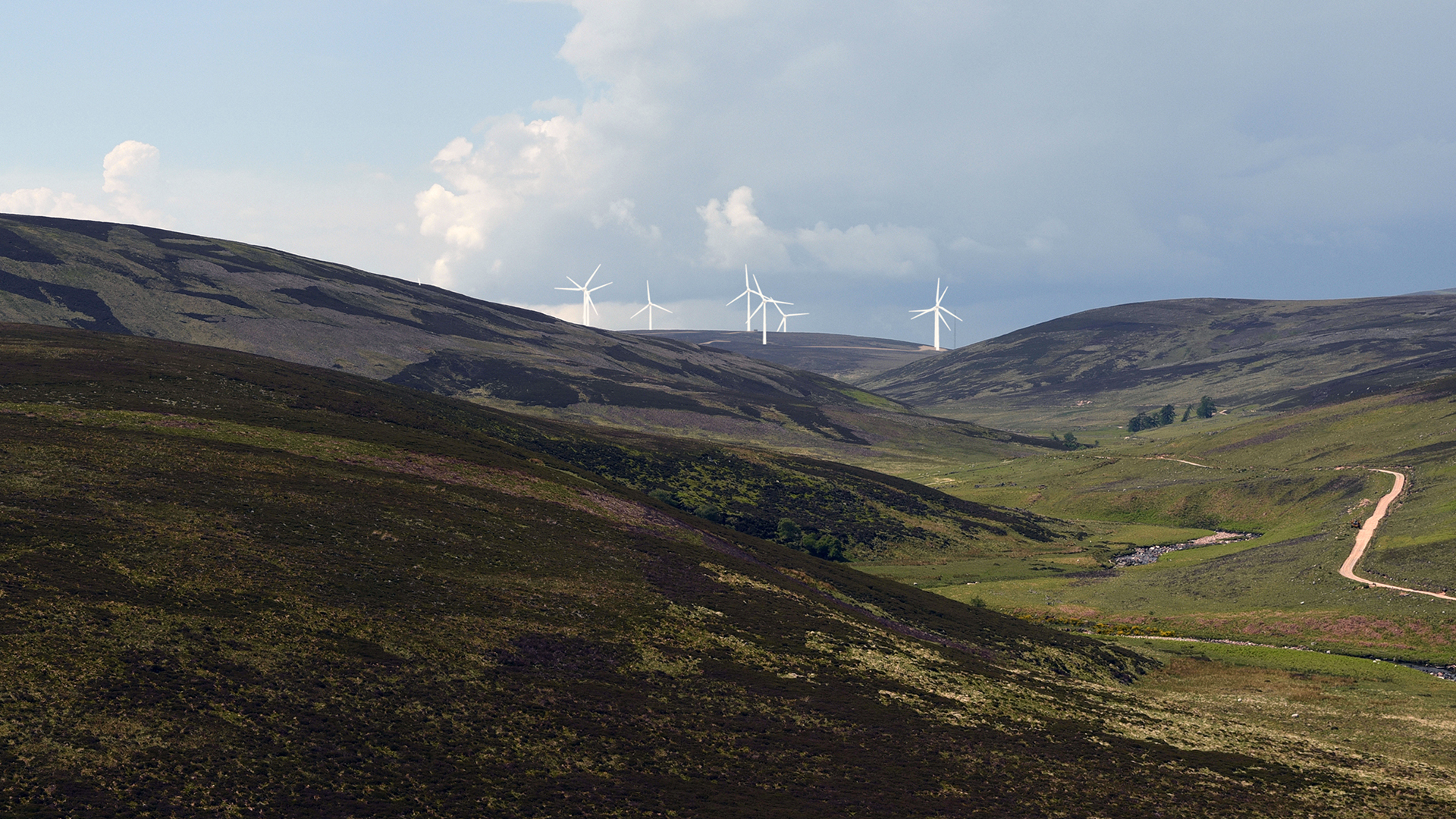
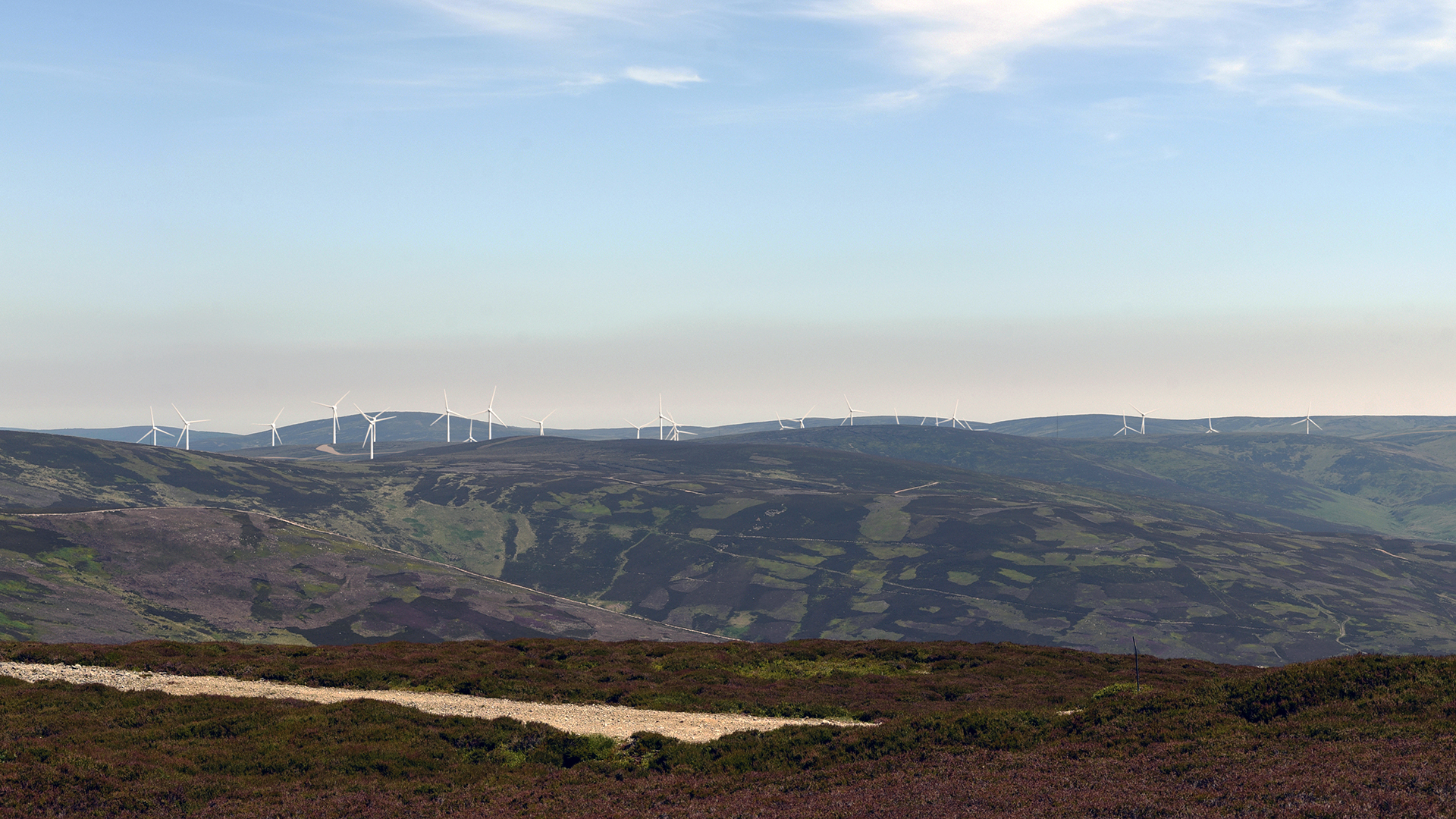
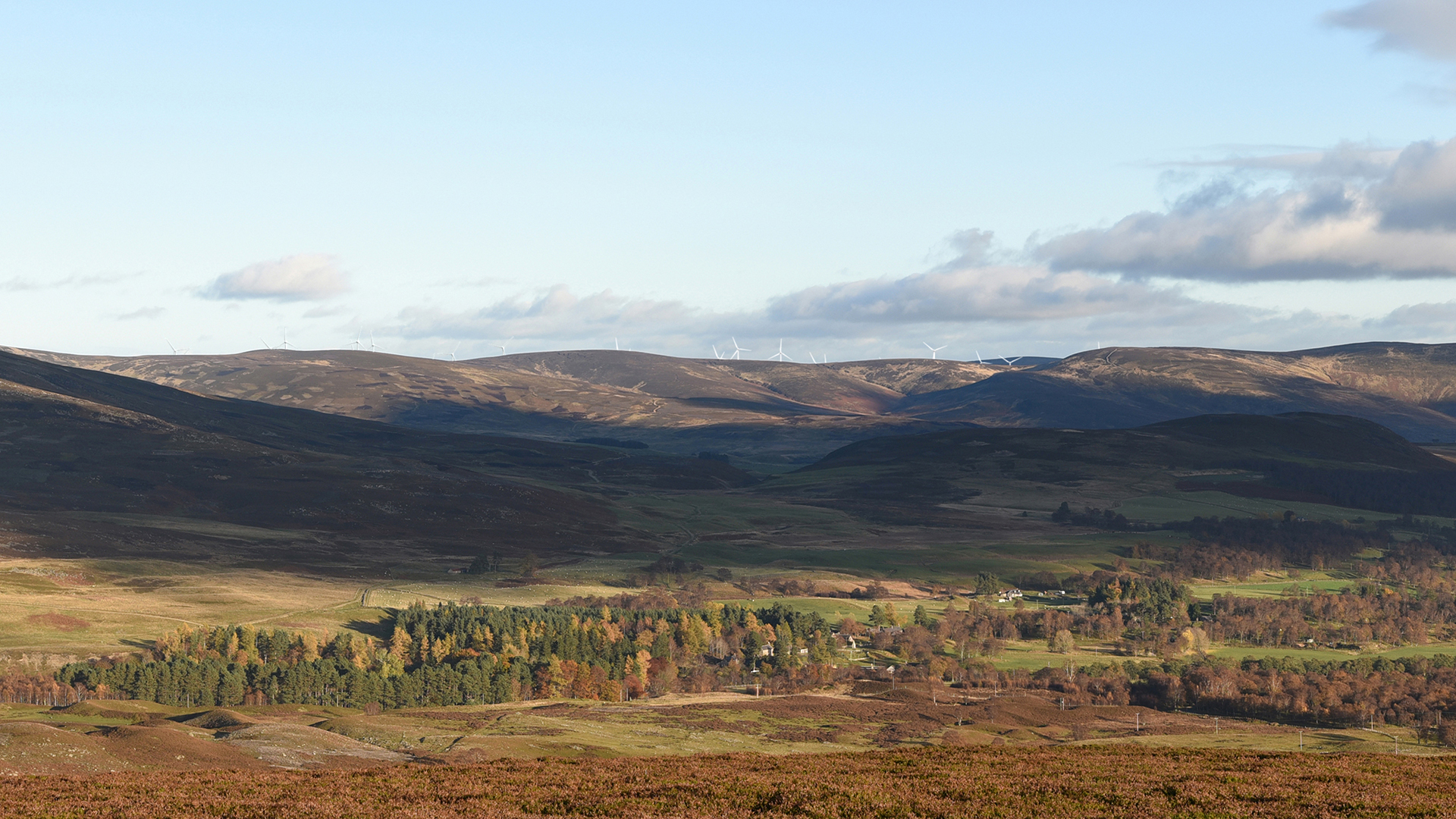
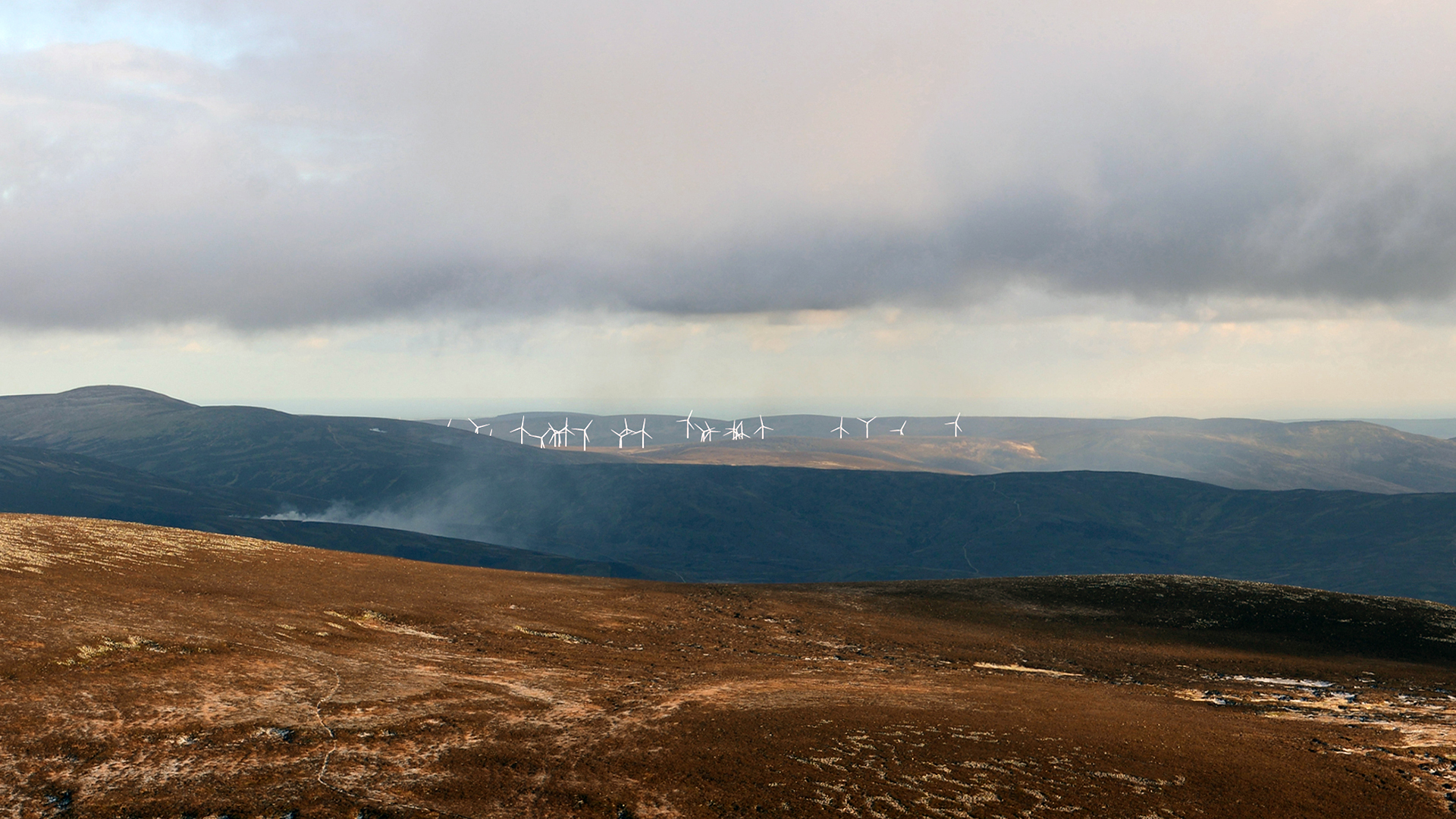
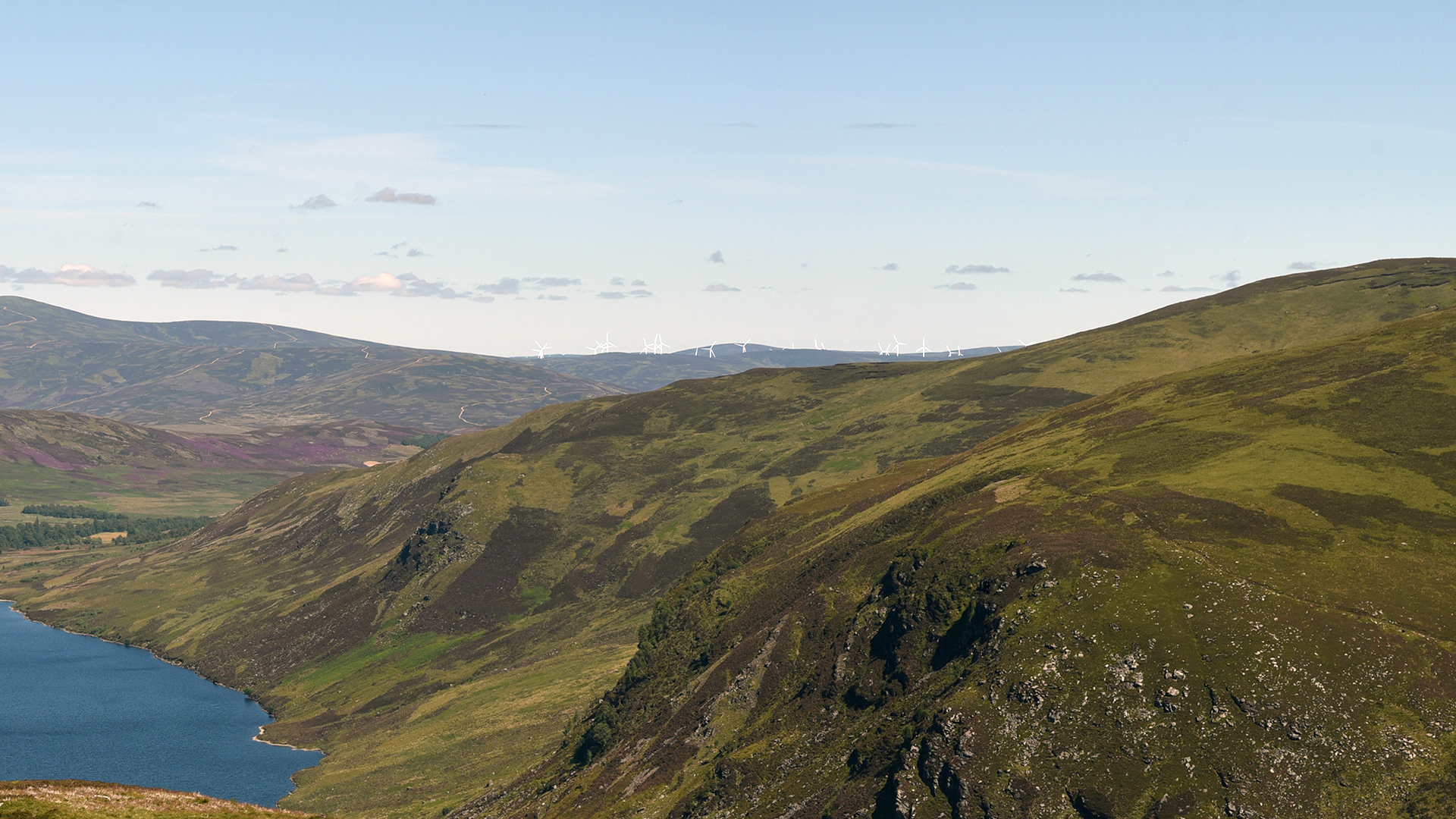
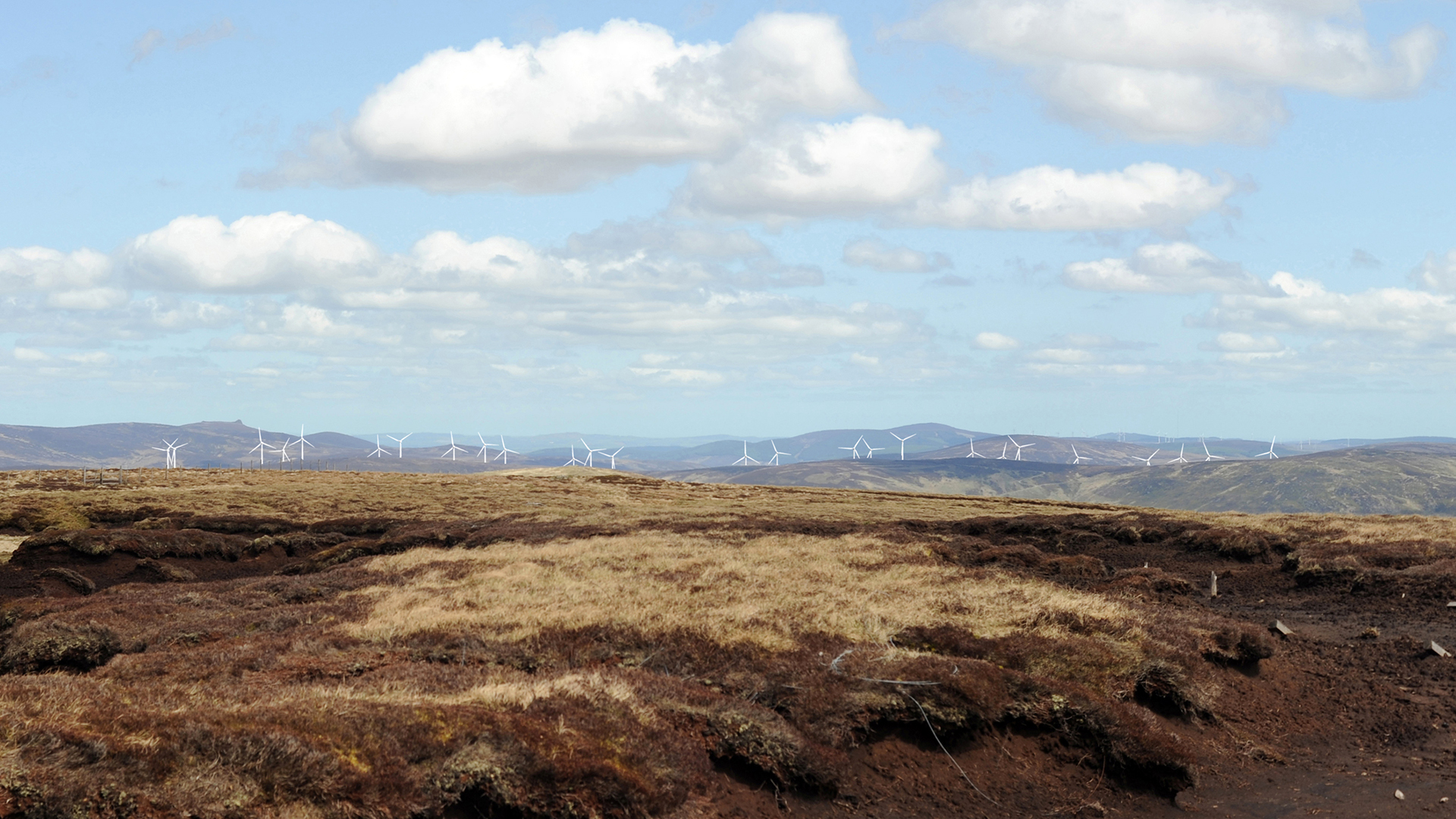
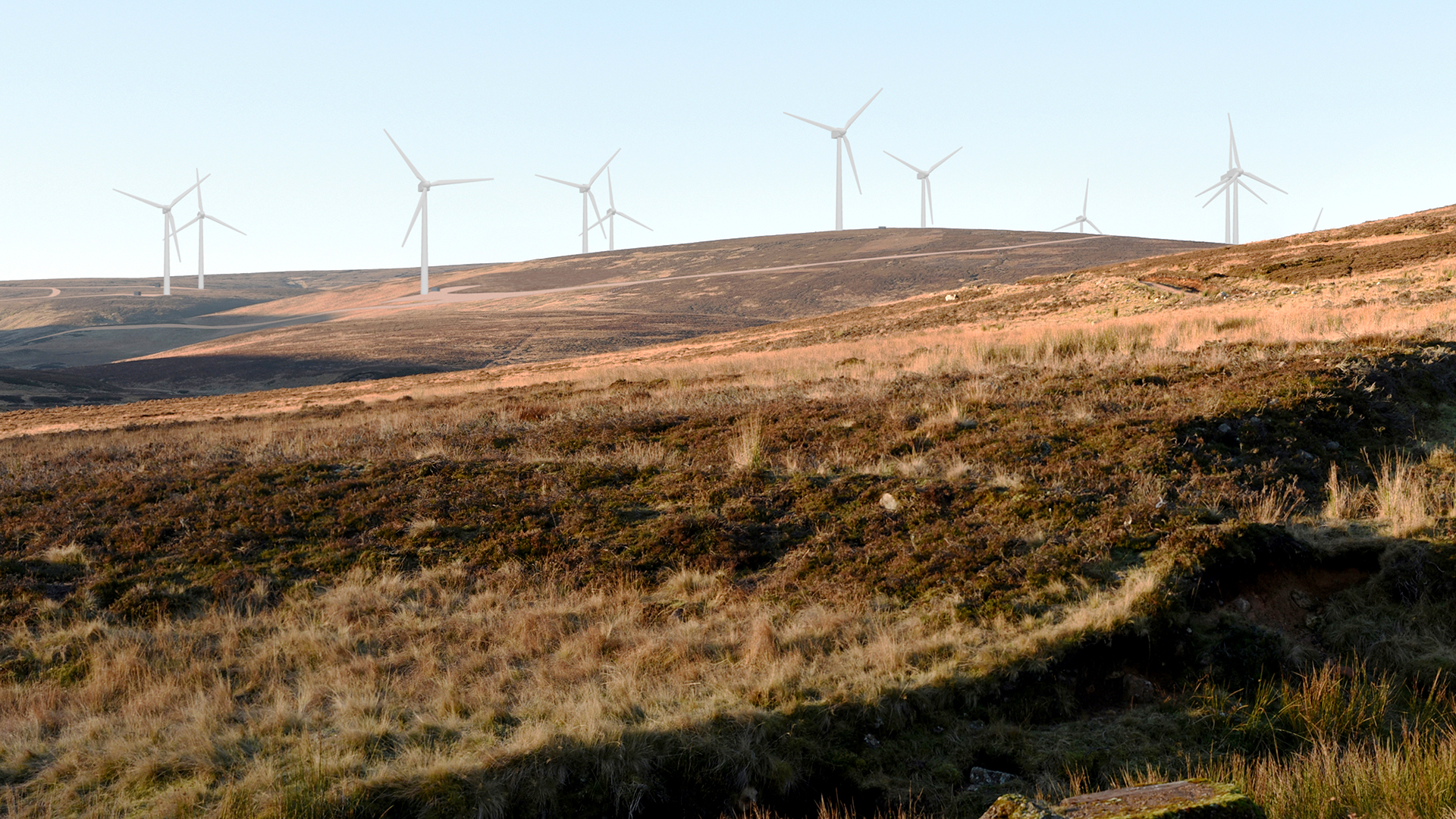
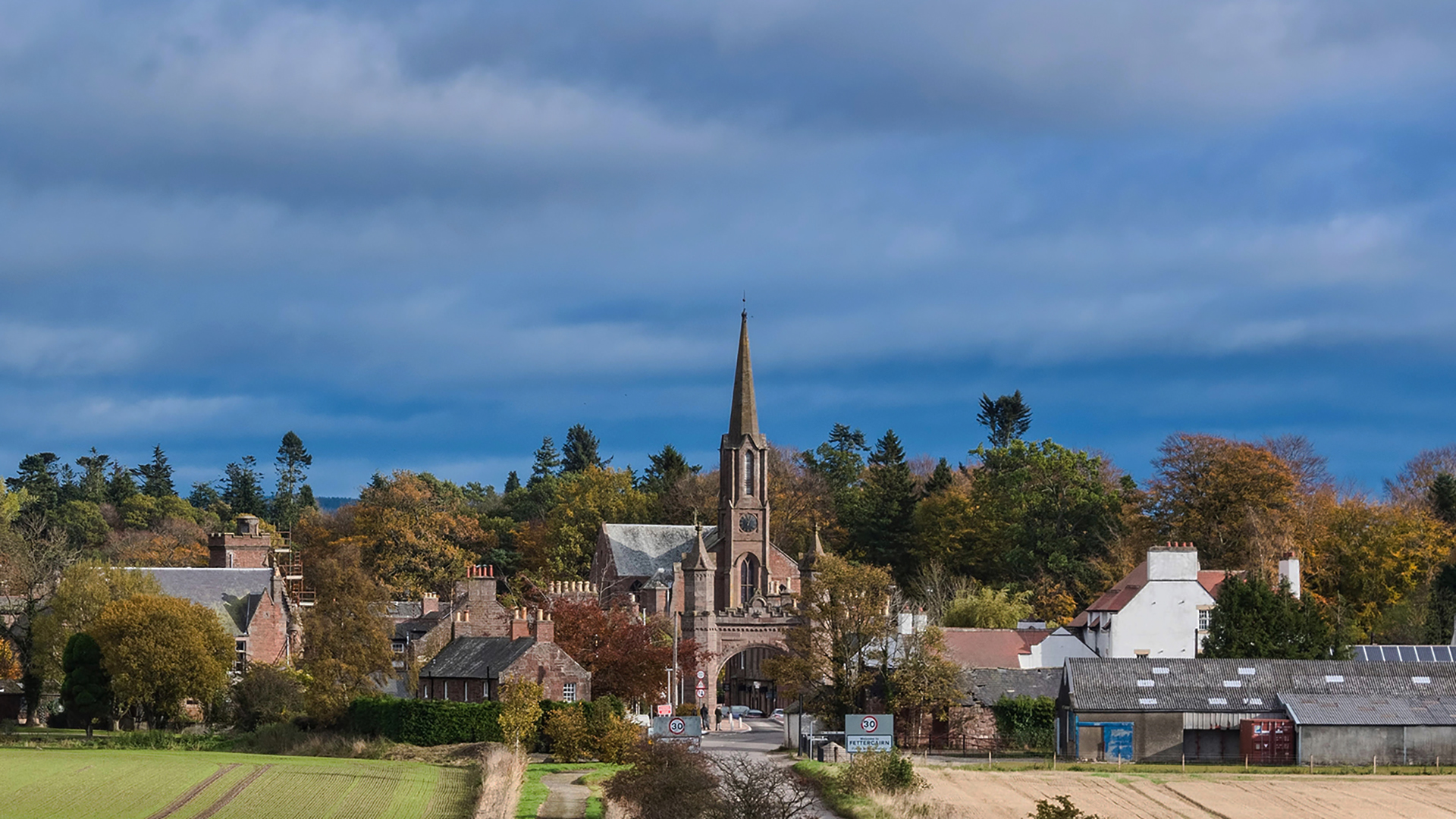
The wind farm would be located approximately 5 miles north west of Fettercairn on land currently managed as a grouse moor. The site benefits from high wind speeds, and the turbines would be positioned within a natural “bowl” in the landscape, largely enclosed by higher ground and surrounding hill summits that limit medium and long distance views.
We are proposing a wind farm comprising 26 turbines, each up to 149.9 metres high to the blade tip, along with supporting infrastructure including access tracks, hardstanding areas, a substation and a control building. The site would be accessed from the south using the A90 and B966.
Find out what's happening
In pictures
What we will deliver

The wind farm would generate around 300 million kilowatt hours of electricity a year. That’s enough to charge around 14,200 electric cars a day.

Detailed bird, ecology and vegetation surveys have been carried out for over 2 years in order to properly understand the site’s ecology and optimise the wind farm design to minimise impacts.

A regional conservation plan will be developed and implemented with key stakeholders to support and grow the golden eagle population in NHZ 12, "North East Glens", building on successful approaches used elsewhere in Scotland.

Deer and sheep numbers will be managed to reduce grazing pressures, allowing vegetation to recover and peatland restoration to take hold.

Native tree planting will be carried out along 7 miles of the Water of Charr and the streams flowing into this, enhancing biodiversity and improving river quality.
Historic muirburn will be stopped in designated areas to help the natural habitat recover, allow the surface vegetation to rewet and to improve the biodiversity
How it helps
We're glad you asked…
This wind farm is essential for increasing the supply of clean, renewable energy, reducing reliance on fossil fuels, and cutting carbon emissions. It will contribute to energy security, help meet national climate targets, and support the transition to a more sustainable energy system.
The location was selected for a number of reasons, including wind speed, proximity to grid connections, environmental impact assessments, and land availability. It offers optimal wind conditions while minimizing disruption to local communities and wildlife.
The wind farm is designed for a lifespan of 35 years.
We welcome feedback from the community. You can share your thoughts by attending public consultation events, submitting representations through the Energy Consents Unit, or contacting us via our contact form.
Construction is expected to begin within a couple of years, but largely depends on how quickly SSE can deliver the grid connection. Construction would be expected to take approximately 18-24 months (including site preparation, civil works, electrical works and turbine installation).
There may be temporary disruptions due to increased traffic and construction activities. However, a traffic management plan will be agreed with Highland Council and a community liaison group will also be set up to try and minimize inconvenience.
The turbines will be delivered to Dundee and then travel along the A90 and B966 until reaching the site access . We will coordinate with local authorities to ensure smooth delivery and minimize traffic disruption.
Environmental impact assessments have been conducted, and we will implement strict measures to protect wildlife and nature. This includes habitat preservation, restoration, monitoring, and mitigation strategies.
Modern wind turbines are designed to be quiet but comprehensive surveys are taken to measure the noise level around the area and ensure there is no significant change in background noise level.
Public access will remain largely unchanged but the substation area will be fenced off and access will also be restricted during construction for safety reasons.
Wind energy helps stabilize electricity prices by providing a reliable and cost-effective power source, reducing reliance on expensive fossil fuels in the long term.
The project will bring economic benefits, including job creation, community funding, and potential infrastructure improvements. We are committed to investing in the local area.
Yes, we will provide a community benefit fund and also offer local investment opportunities and other financial participation options to ensure the community shares in the benefits of the project.
Wind turbines are designed to operate at varying wind speeds. When there is little or no wind, other energy sources will supplement the supply. The national energy system operator continuously balances power available from different sources with the prevailing levels of demand to ensure grid stability.
Safety is the top priority. Wind farms are built to strict engineering and safety standards, with regular inspections and maintenance to ensure safe operation.
The project will create local jobs during construction, operation, and maintenance. We will work with local suppliers and contractors wherever possible.
Absolutely! We encourage local businesses to get involved, whether in construction, transportation, catering, or maintenance services. Interested businesses can reach out [here] to be added to our local supplier database.
At the end of its operational life, the wind farm will either be repowered with newer turbines (subject to receiving planning permission) or decommissioned. If decommissioned, the site will be restored to its original state, following strict environmental guidelines.
The wind farm is expected to generate up to 125MW of electricity, which is enough to power 92,500 homes annually. This will significantly contribute to the local and national energy supply.
Be part of the project
We are keen to ensure that wherever possible contractors are employed to help us deliver the services we need for this project. We will be undertaking supply chain outreach over coming months and years.