At a glance
Type:
Wind Farm
Status:
Planning submitted
Partner:
ESB
The wind farm would be located within commercial plantation forestry (primarily Sitka Spruce). The site was identified by the Welsh Government as having potential for large-scale onshore wind development in the early 2000s (lying within a ‘Strategic Search Area’) and benefits from good wind speeds, good access and close proximity to the electricity grid and areas of high demand.
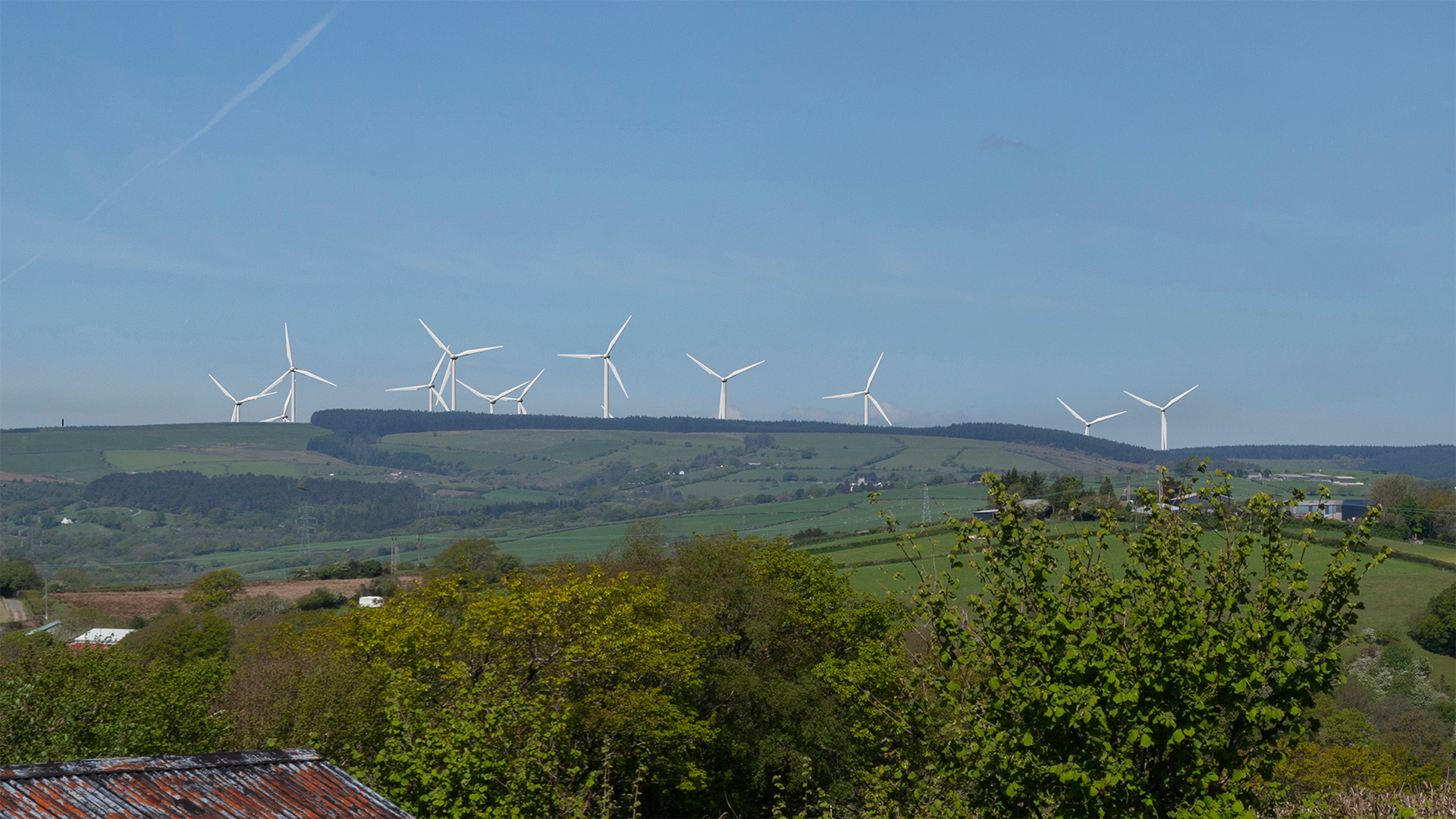
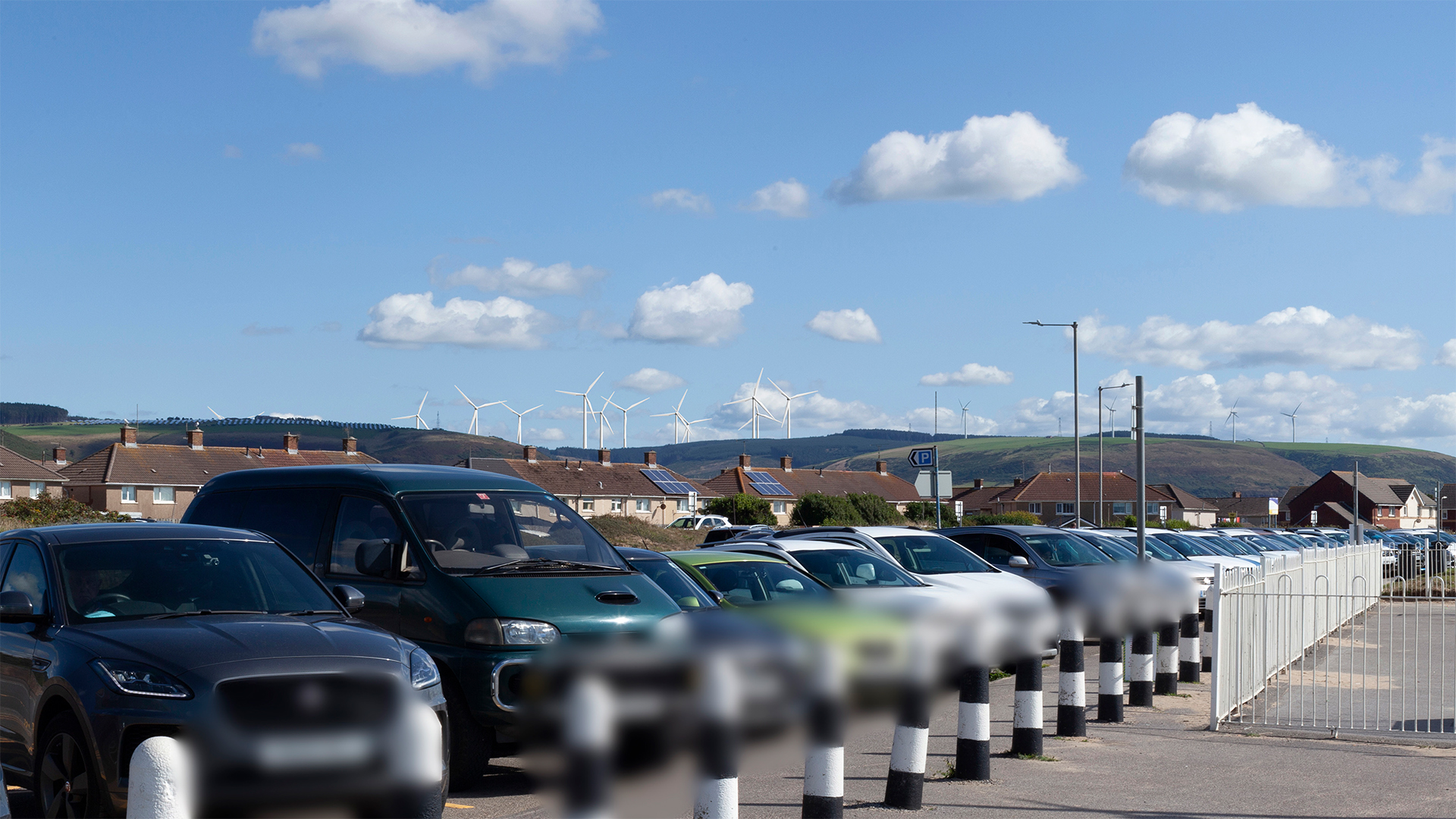
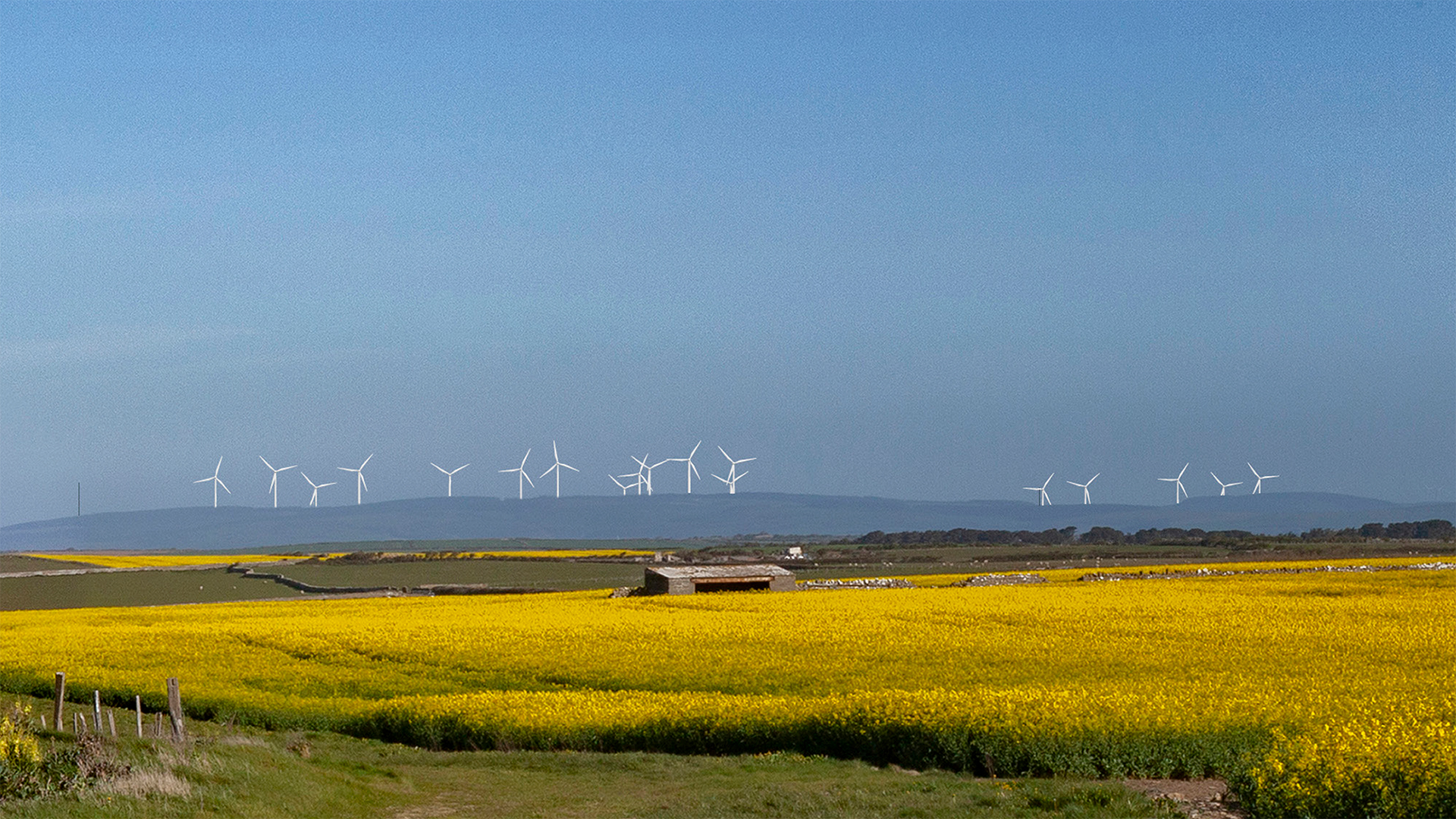
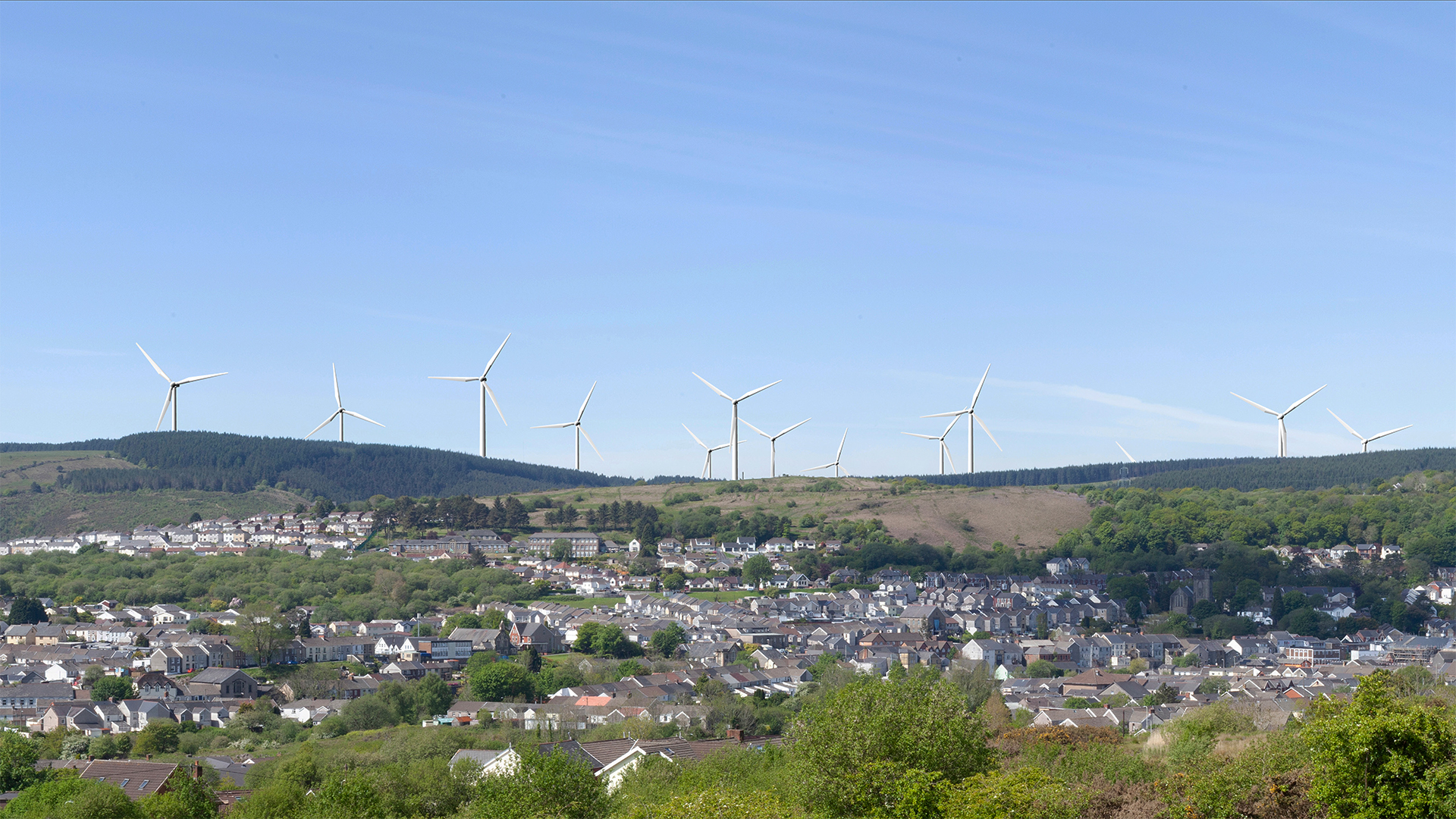
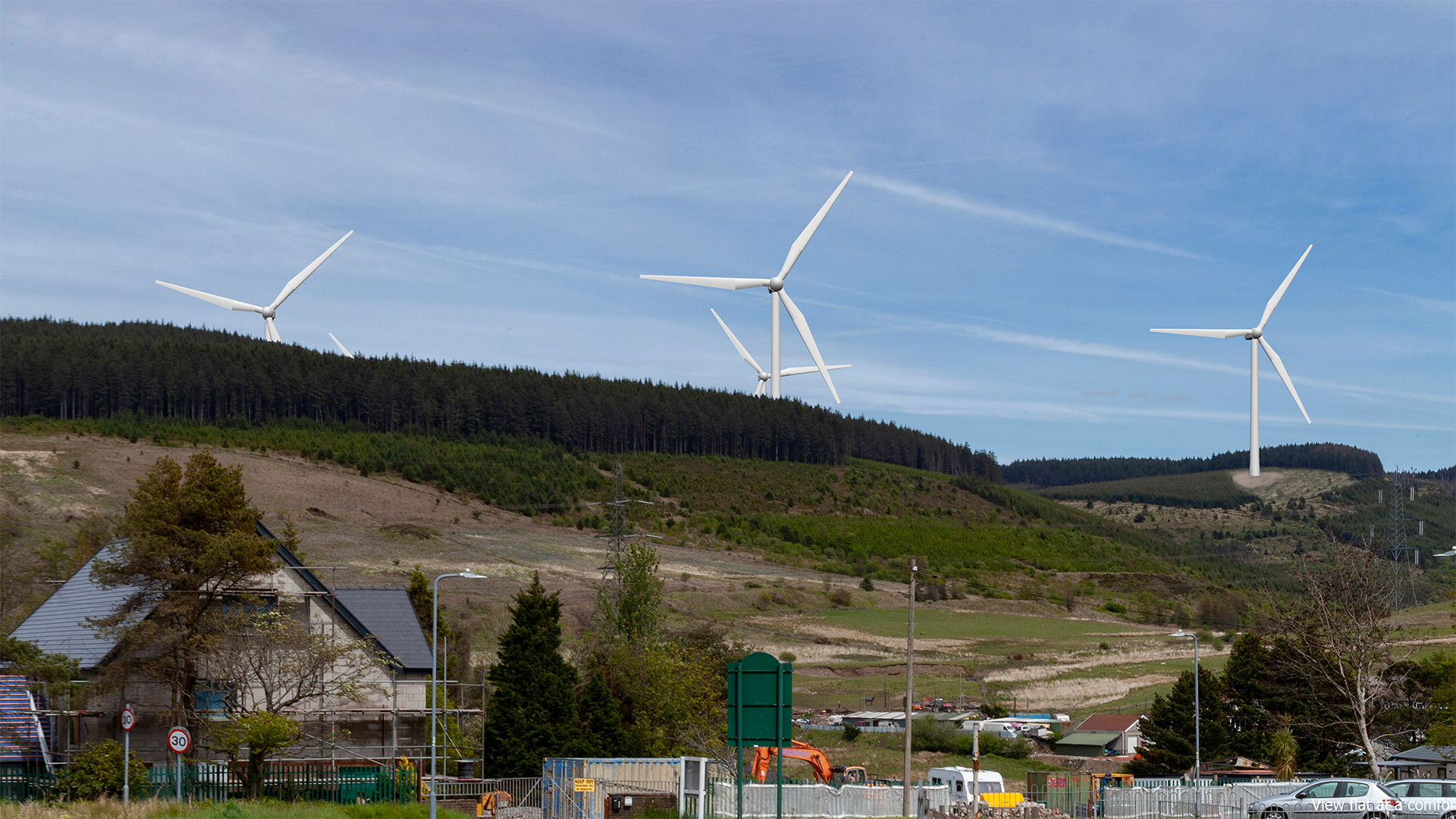
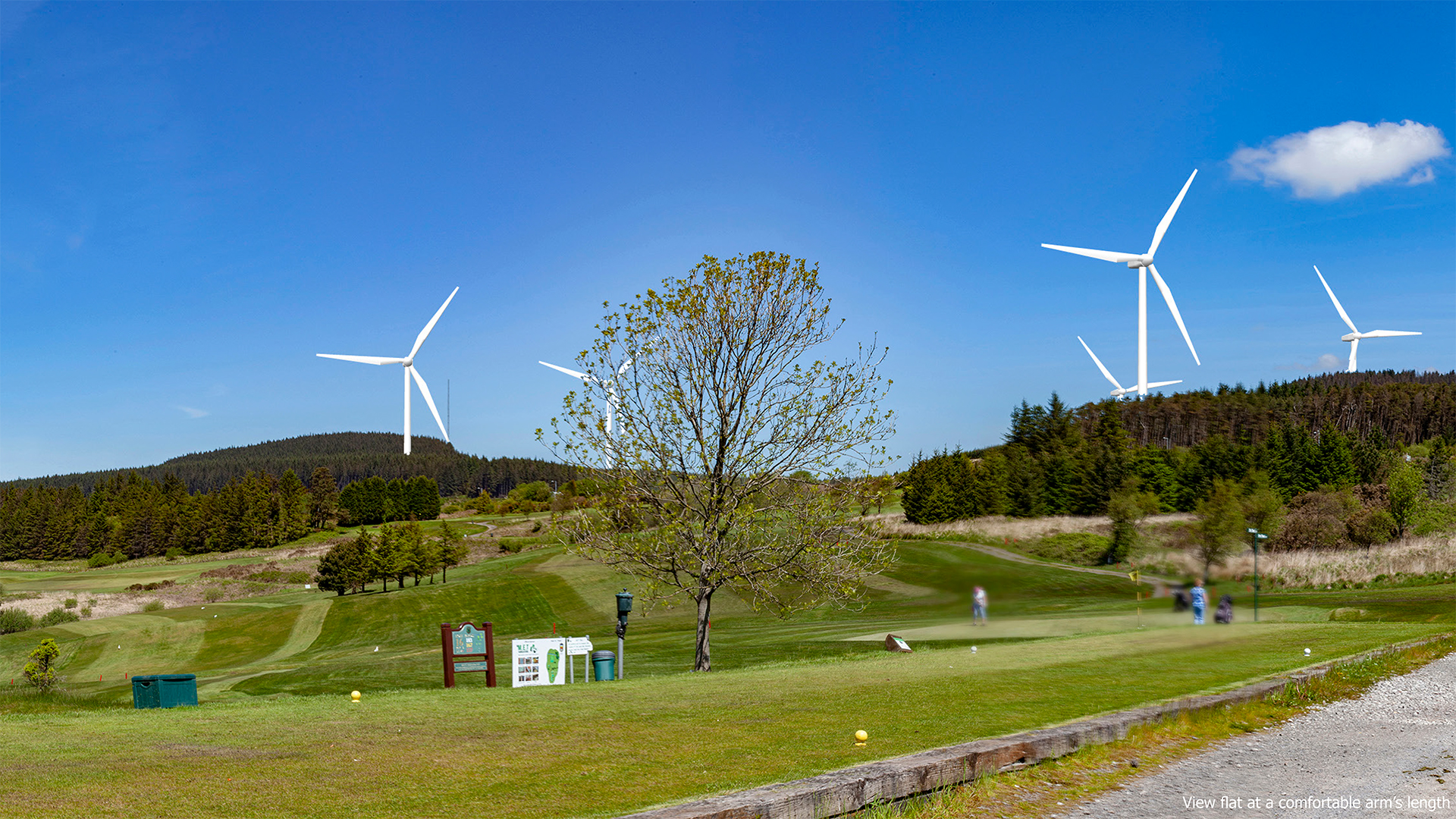
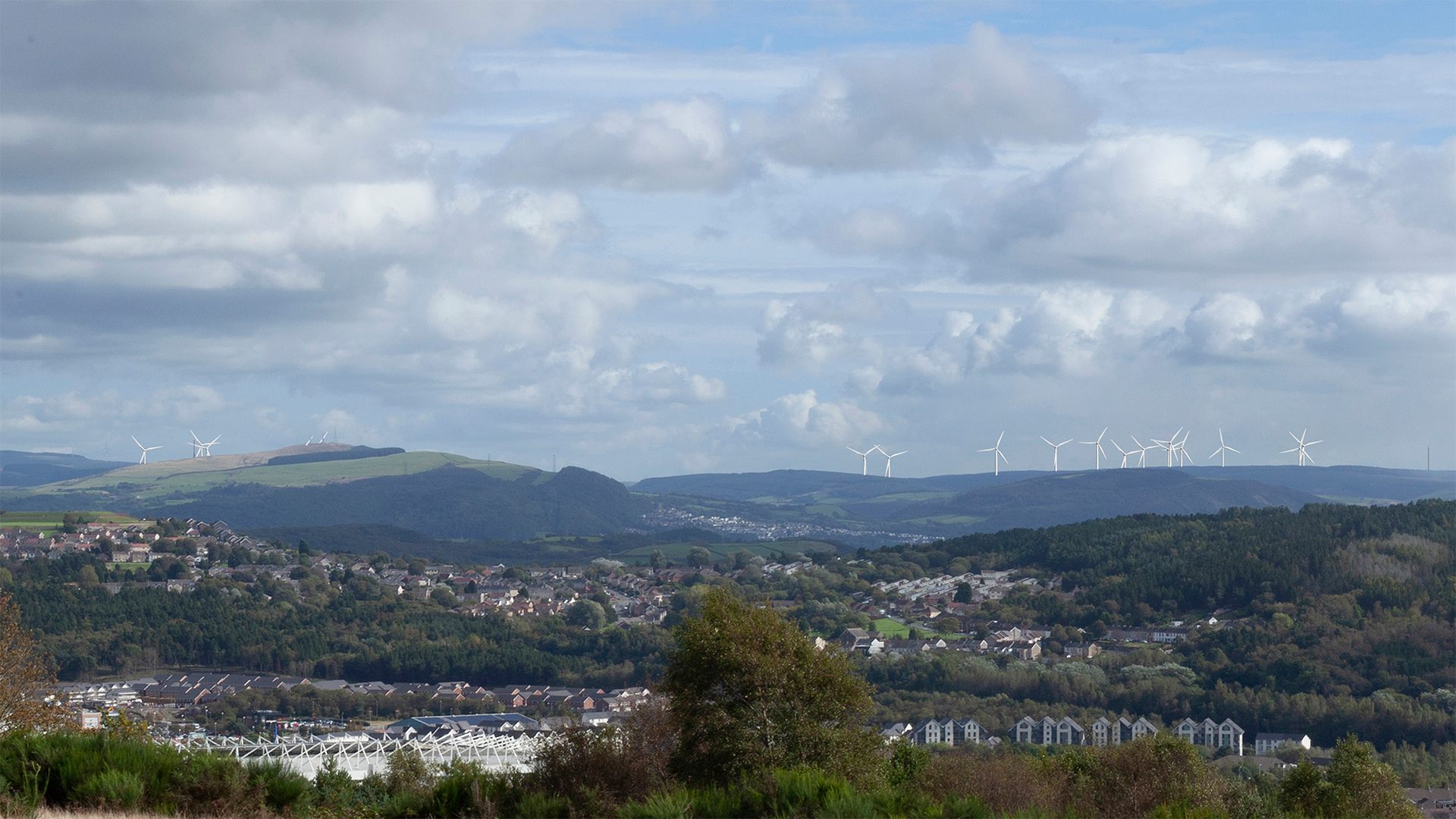
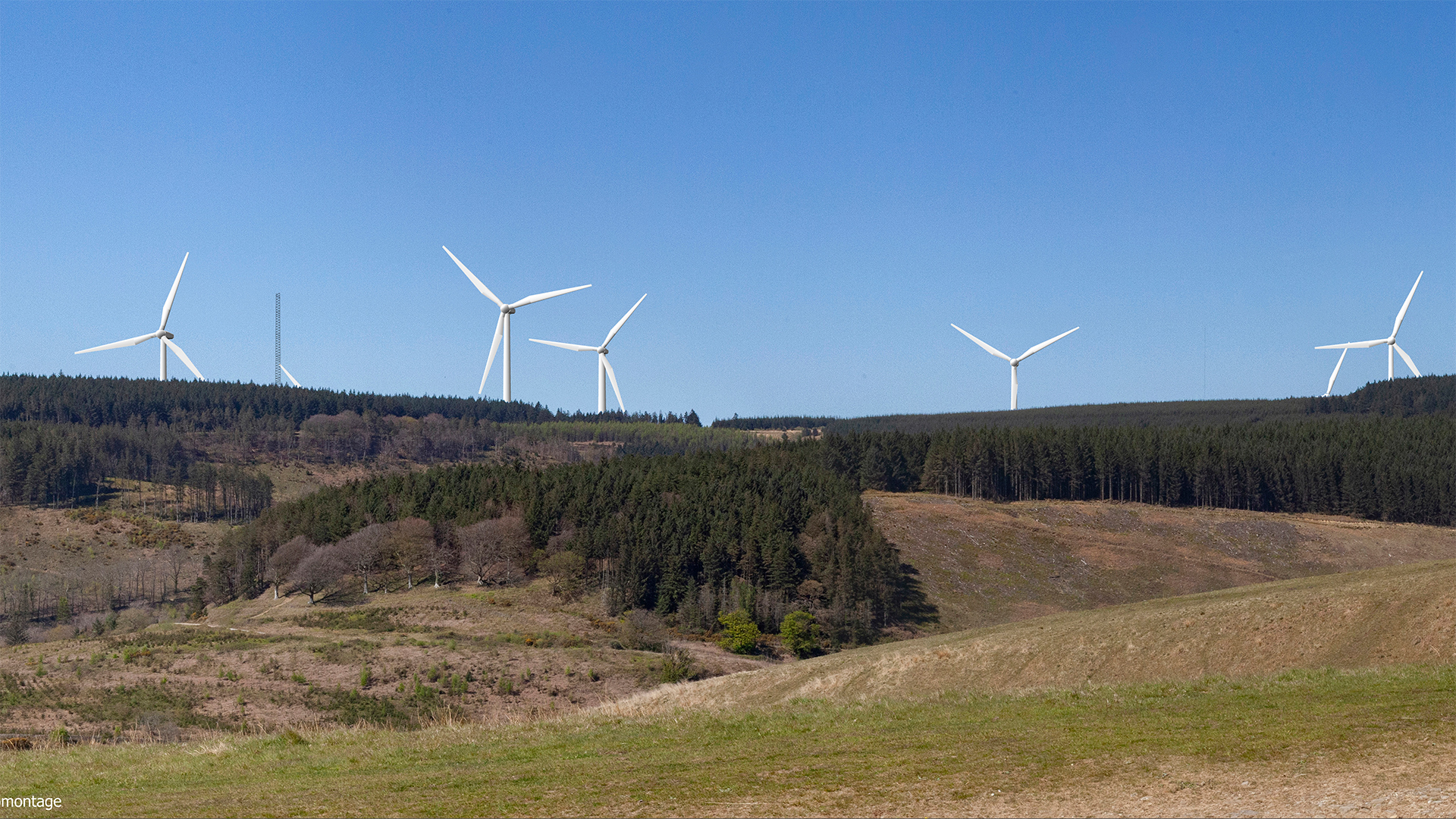
We are proposing a wind farm comprising 18 of the latest generation, highly efficient wind turbines. Each of these would have tip heights of between 206m and 250m. The wind turbines would be connected by new access tracks made of crushed stone sourced on-site and access for wind turbine components would come off of the M4 via a new temporary, single-purpose slipway.
Find out what's happening
In pictures
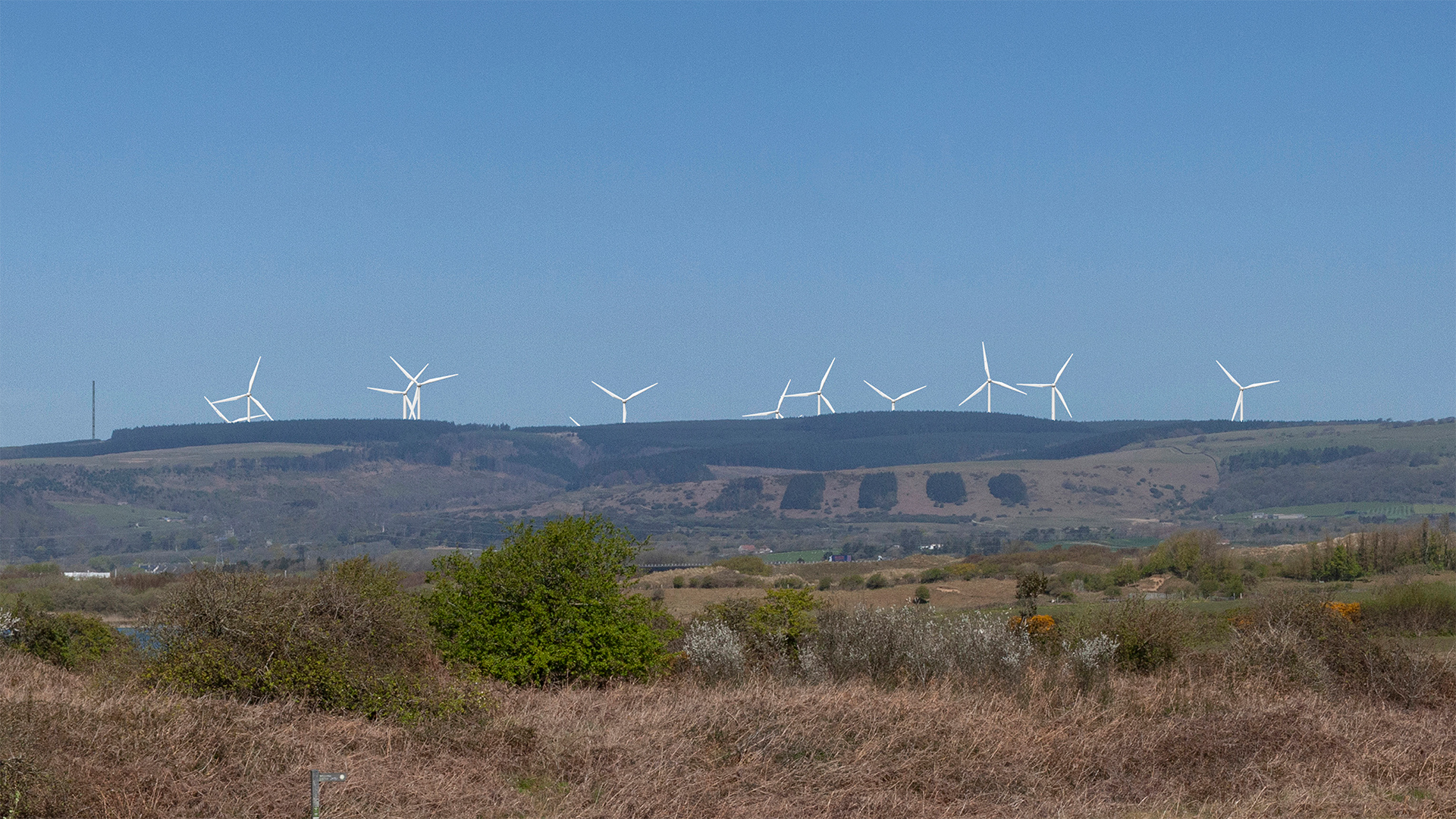
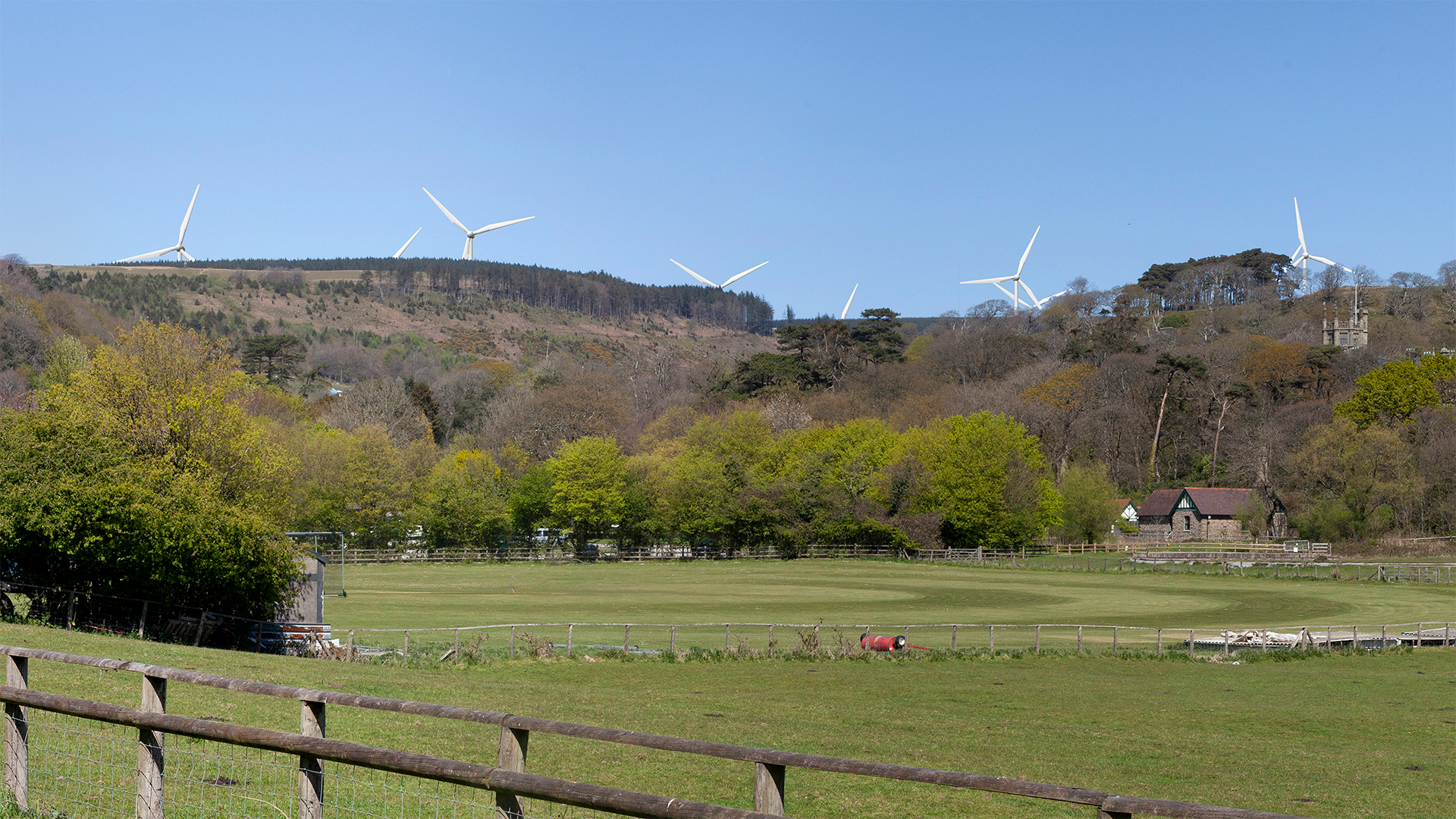
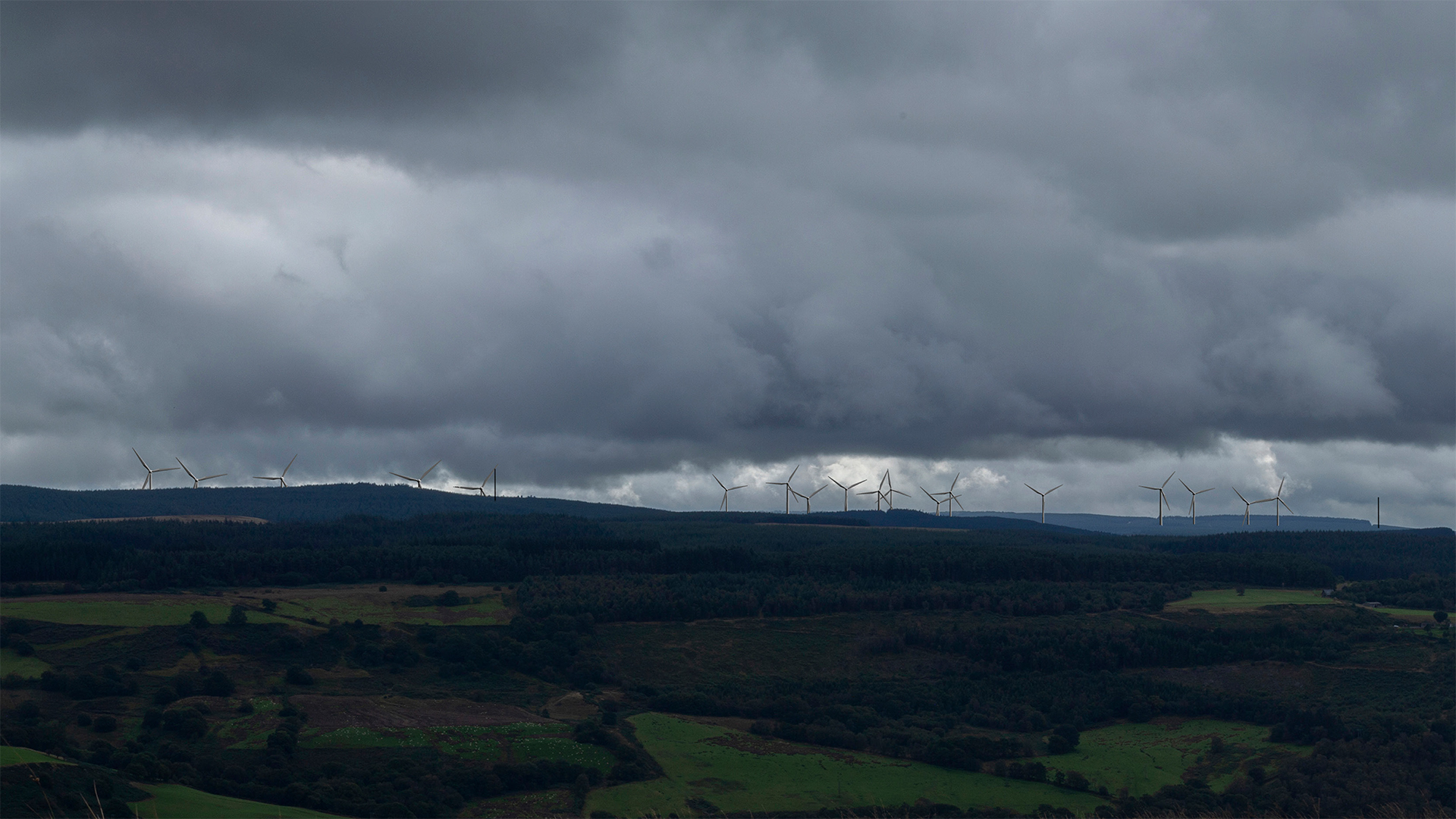
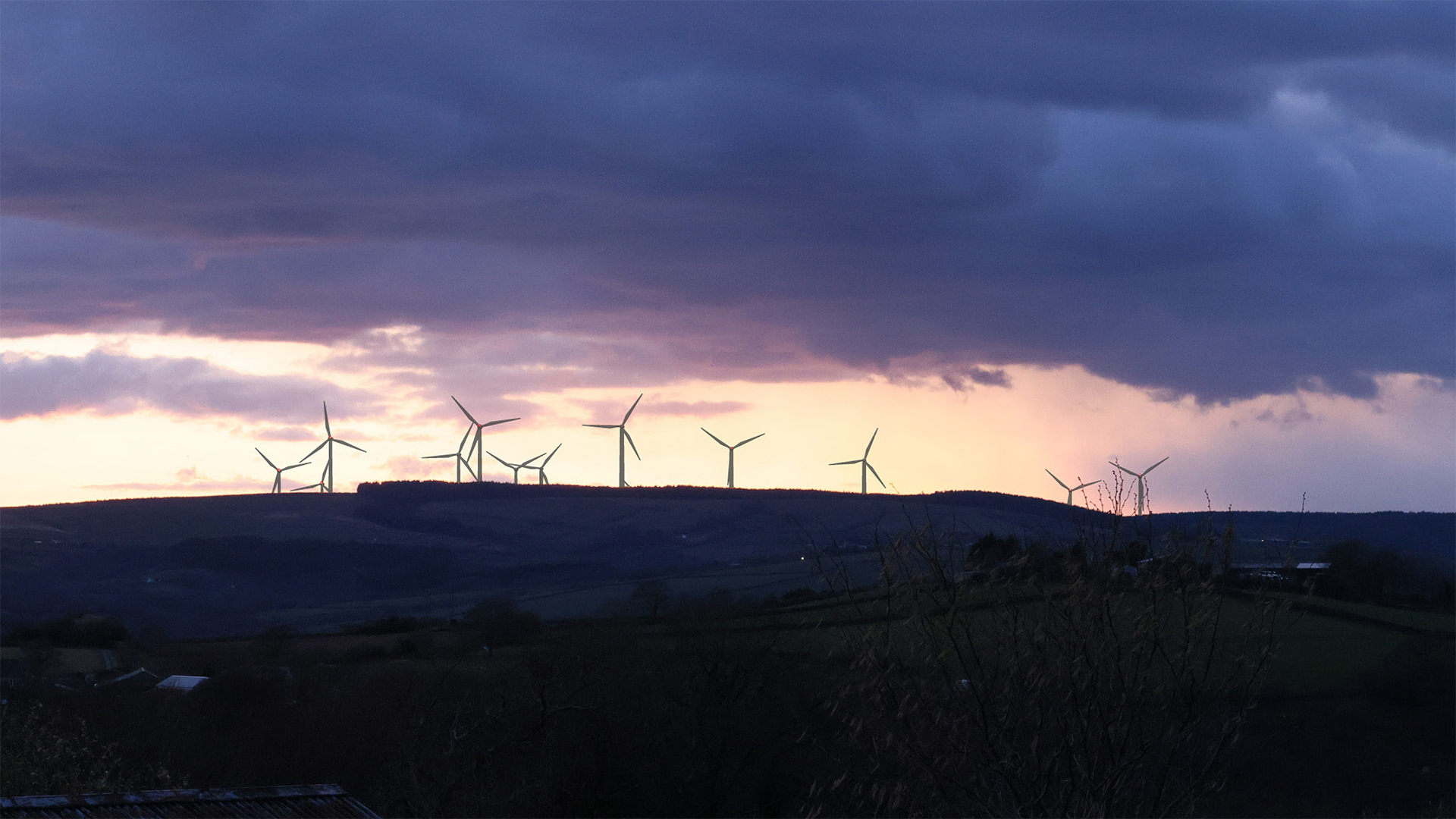
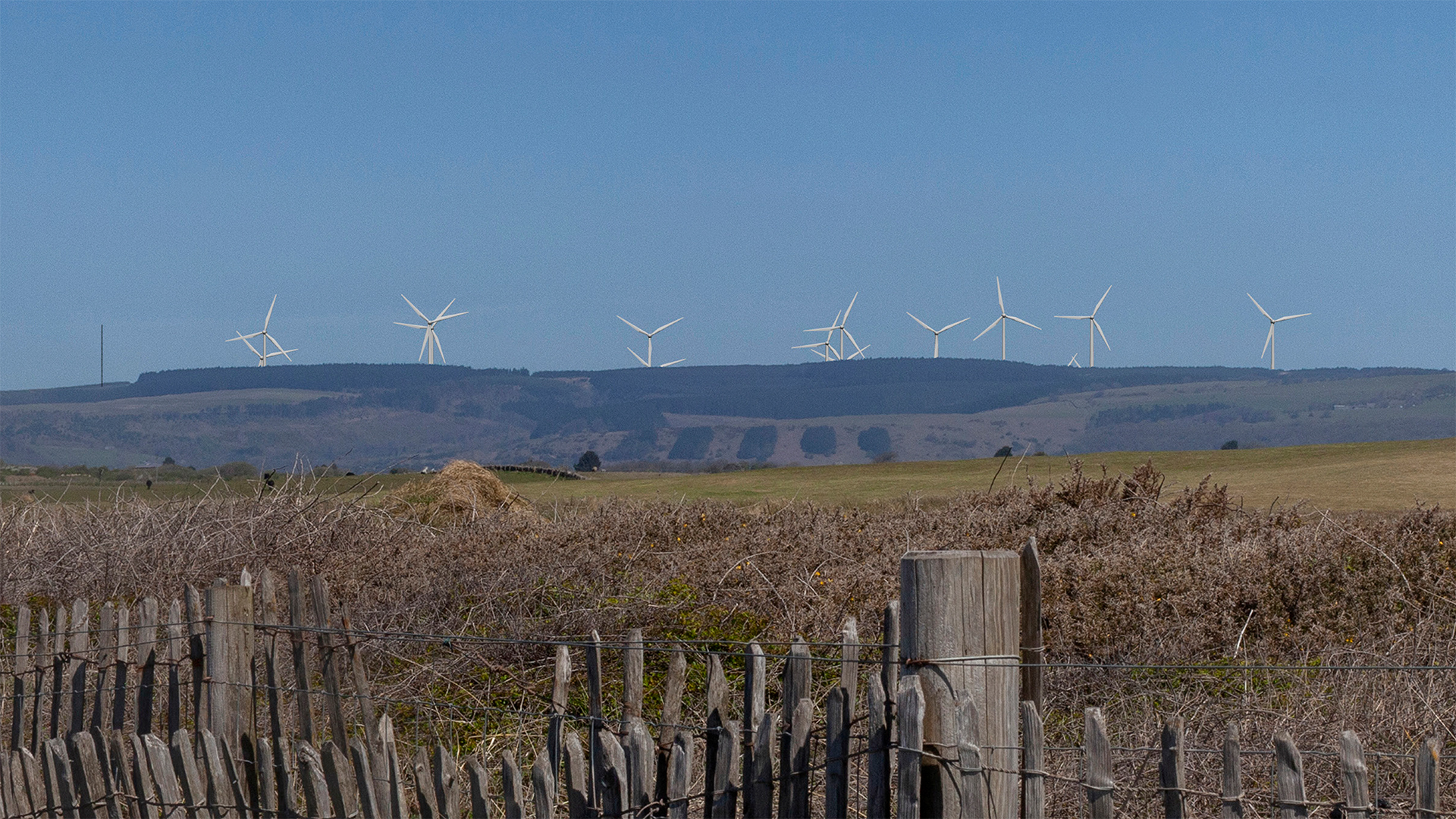
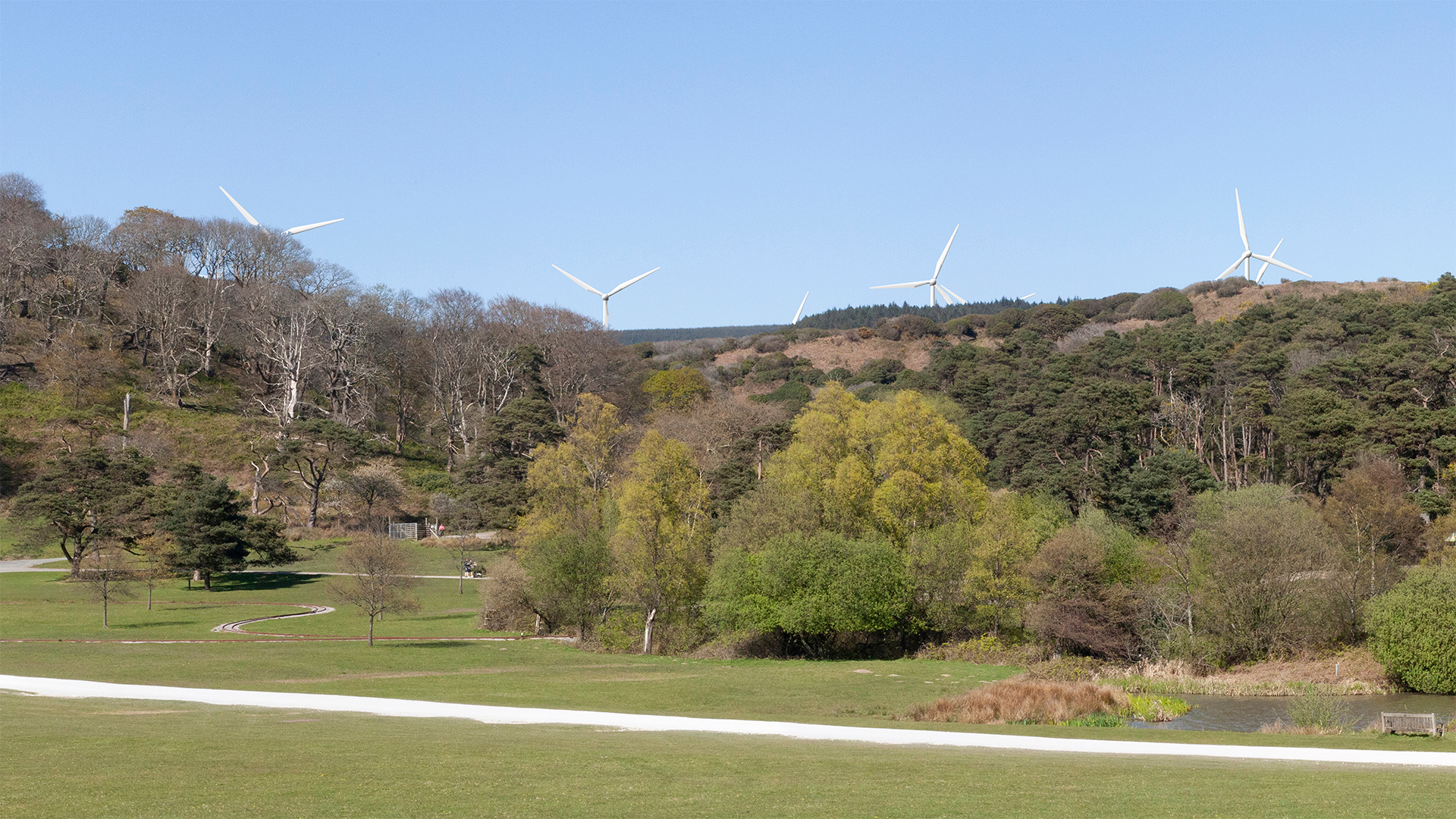
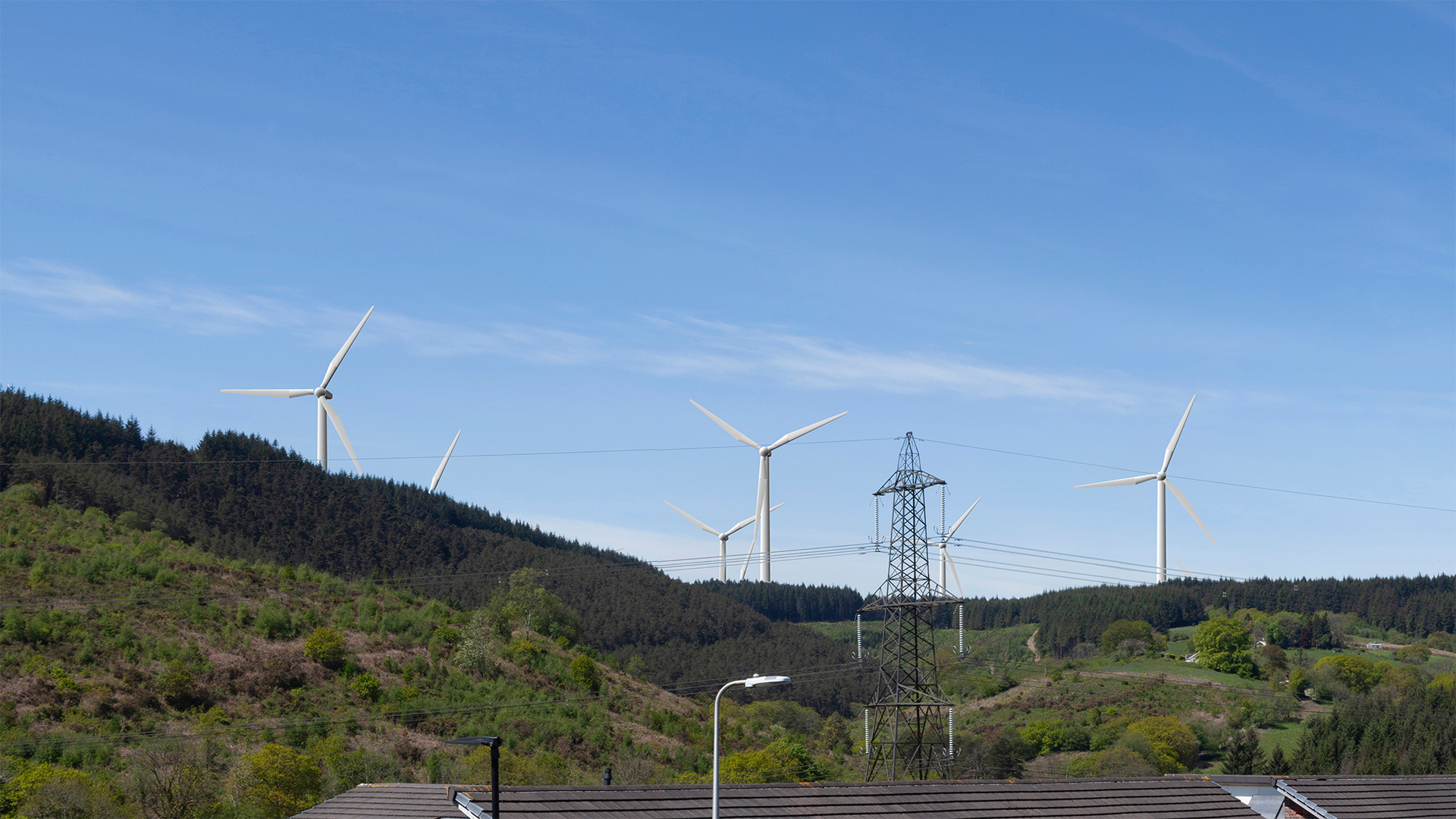
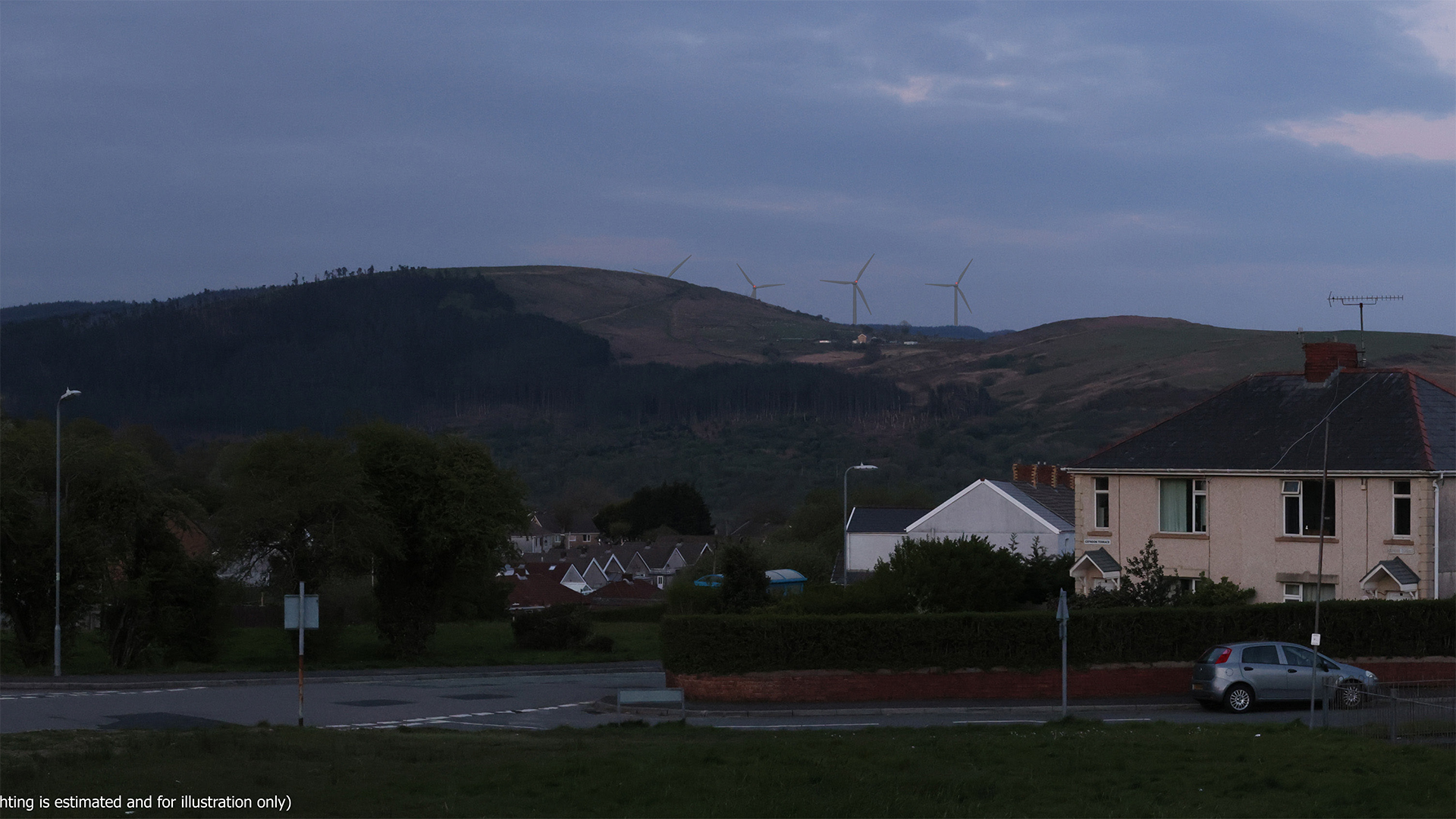
What we will deliver

Detailed bird, ecology and vegetation surveys have been carried out for over 2 years in order to properly understand the site’s ecology and optimise the wind farm design to minimise impacts

xx acres of native broad-leaved woodland will restored, increasing biodiversity by supporting woodland flora, invertebrates and bird species associated with deciduous woodland

New ponds will be created within the wind farm site, supporting aquatic plants, insects and amphibians. These will also hold excess water during heavy rainfall events, slowing the runoff into watercourses and contributing to flood prevention

New areas of open ground will be created, improving connectivity between existing non-coniferous habitats, and providing benefits for flowering plants, pollinating insects and reptiles
Invasive species present on the site, including Himalayan balsam, Japanese knotweed and rhododendron, will be controlled, reducing competition and allowing native plants and associated pollinating insects to re-establish
Part of the site has been identified as having peat-rich soils. Following the next cycle of conifer harvesting by the landowner, regeneration will be controlled and drainage gullies blocked to re-wet the ground, allowing wet-tolerant species such as willow and alder to establish naturally.
How it helps
We're glad you asked…
The proposed wind farm site is split into two blocks. The Bryn block is located to the south of the B4282, with the Penhydd block located to the north of the road. The Llynfi and Afan valleys lie to the east and west of the wind farm site respectively. The M4 motorway, the main arterial route running east to west through South Wales, lies to the south of the site.
Initially, the Project was envisaged as comprising:
- Up to 26 turbines of up to 250m maximum tip height
- Transformers housed either within or adjacent to turbines
- Onsite access tracks plus underground cable runs alongside
- A site sub-station building
- A battery energy storage facility
- One or more permanent anemometry masts (at the hub height of the turbines).
We undertook consultation on these initial proposals in Summer 2021. The feedback from that consultation has led to a number of changes to the proposals, which were consulted on during the Phase 2 Consultation in Autumn 2021.
The revised proposals in 2022 were developed as a result of feedback received from the local community and technical consultees to date. Key points raised related to visual impacts, turbine noise, traffic and construction, wildlife and existing uses. We sought to address key issues through making the following updates to the plans:
- Reducing the number of proposed turbines from 26 to 21
- Removing turbines with the greatest potential impact on the village of Bryn, and also heritage assets and views from Margam Park
- Reducing the height of all turbines in the northern Penhydd block, to minimise potential impacts on Bryn, Cwmafan, Maesteg and surrounding nearby communities
- Relocating some turbines to reduce specific localised impacts around their siting
- Clarifying points related to access, maintenance, wildlife and habitat management, as well as clearer information about community benefit.
The final draft application has been developed as a result of feedback received from the local community and technical consultees to date. Key points raised during previous phases of consultation in 2021 and 2022 related to visual impacts, turbine noise, traffic and construction, wildlife and existing uses.
We have sought to address key issues through making the following updates to the plans:
- Reducing the number of proposed turbines from 21 to 18 (down from 26 originally proposed)
- Reducing the height of three further turbines to reduce visual impact from Bryn village and surrounding communities
- Relocating two turbines to reduce visual impact from Bryn village
- Changes to forestry management and habitat enhancement plans following further assessments and agreements.
Further detail about these updates are available on this website.
Wind turbine noise is highly regulated to the effect that they wouldn’t generally appreciably add to the prevailing background noise levels.
Background noise monitoring has been undertaken to inform assessments, design and final turbine choices to ensure the regulations can be met.
Noise limits have been agreed with the local authorities.
If noise complaints are subsequently made and strict planning conditions not abided by, then the local authorities can take enforcement actions, including shutting individual turbines off under certain wind conditions.
As with noise, shadow flicker is carefully assessed and site design and relevant mitigation measures to address shadow impacts will be sought. Site design and mitigation measures are generally successful at eliminating issues in this respect.
If it is deemed that shadow flicker impacts cannot be addressed adequately, permission will not be granted. As with other considerations, measures to limit shadow impacts can be conditioned as part of the planning consent.
There is no evidence to confirm that modern operational wind farms have an impact on house prices in the UK, and it is not possible to speculate on whether there might be any impact in this regard during the planning process.
We aim to minimise tree felling where possible, and where wider felling is necessary, the expectation would be that replanting would take place leaving a “keyhole” area clear for wind farm infrastructure.
We would also be contributing to a fund to replant any trees lost to infrastructure elsewhere across the Welsh Government Woodland Estate. So, there would be no net loss of trees as a result of this project.
All related impacts from change of use on the site, including through removal of trees, will be taken into account in a flood consequences assessment.
As this project will deliver in excess of 10MW of wind energy it will constitute a Development of National Significance (DNS) under the Planning (Wales) Act 2015 and Coriolis Energy and ESB must apply to Planning and Environment Decisions Wales (formerly the Planning Inspectorate Wales), which will make a recommendation to Welsh Ministers on whether or not to grant planning permission.
Ultimately, Welsh Ministers will decide whether or not to approve the application, however many other parties will have the opportunity to influence the proposals, including host local authorities, Neath Port Talbot County Borough Council and Bridgend County Borough Council, as well as local communities and interested parties.
We have undertaken an extensive pre-application community consultation exercise prior to submitting an application to the Planning Inspectorate. This has involved two rounds of informal public consultation, and a formal consultation period as required by the DNS regulations set out in the Planning (Wales) Act 2015.
Coriolis Energy and ESB have committed to ensuring that, wherever possible, Welsh contractors are employed to help us deliver the services we need for this project.
We are keen to ensure that the sourcing of components, materials, services and supplies originate from as close to the site as possible. Apprenticeships, site operatives and staff employed locally are also important targets for the Project, and this will form a central requirement for all contractors appointed to help deliver the proposals.
Typically, a percentage of the capital construction cost of building a wind farm is spent within the local economy. There are a wide array of potential suppliers of goods and services, from civil and electrical engineering firms, to electrical equipment and steel products, aggregate suppliers, plant hire, to caterers, hospitality, fencing, forestry, site security, to name but a few. During operation, turbines together with other equipment and infrastructure will require to be operated and maintained. The project therefore would represent a significant opportunity for local businesses in Neath Port Talbot County Borough Council and Bridgend County Borough Council areas.
We held ‘Meet the Buyers’ events in Port Talbot in May 2023, hosting a number of potential suppliers who were interested to become involved with the project should it gain planning consent.
In addition, the significant inward investment through the pre-application, construction and operational phases of the wind farm will result in additional economic stimulus for the broader local economy.
An innovative multi-million pound (potentially up to £1.1million per year) Community Benefit Fund will also provide significant opportunities for local communities to see direct benefit from these proposals. Current proposals are for this to be fully staffed and actively managed to delivered maximum economic and social benefit, measured against Wales ”seven well-being goals” (under the Well-being of Future Generations (Wales) Act 2015).
Currently, as much as 90% of the wind turbine can be readily recycled (owing to the fact that it is mostly steel). It is possible to recycle the remaining 10% (which generally relate to parts of the blades), and whilst this is not currently a widespread practice due to lack of available re-processing plants and onward chain of use, technology is advancing rapidly. It is fully expected that by the time the proposed Y Bryn turbines are due to be decommissioned, it will be possible to recycle 100% of the turbine.
Coriolis Energy and ESB are aware of Welsh Government targets for Community ownership in renewables by 2035 and fully supports the aspiration.
We have signed a Memorandum of Understanding with local energy charity Awel Aman Tawe for delivering up to 20% shared ownership in the project.
The reasons for why this location represents a good potential site for an onshore wind farm have been long known and understood since the early 2000’s when it was included within one of the Welsh Government’s “Strategic Search Areas” under spatial policy ‘TAN8’, and then subsequently re-identified by the local authorities within their permitted “Annex G Refinement” process.
Key reasons include:
- Absence of nationally or internationally protected landscape designations (National Parks, Areas of Outstanding Natural Beauty)
- Absence of nationally or internationally protected ecologically designated sites (Special Protection Areas, Special Areas of Conservation, Sites of Special Scientific Interest)
- Adequate separation from surrounding settlements and individual properties
- Suitable wind resource
- Proximity to electrical grid
- Proximity to strategic road network
As for why ‘onshore’ wind at all – with the scale of the challenge we have in combatting climate change, through meeting our “Net Zero” commitment to decarbonise our entire society by 2050, we need to produce substantial amounts of new renewable electricity. This means we need additional onshore wind, as well as offshore wind, solar pv, energy storage, hydrogen, electric vehicles, together with energy efficiency. Taking the “Climate Emergency” that Wales and other UK and international governments have declared, making progress during the 2020’s is critical and we do not have the luxury of delaying any further to wait for alternatives to emerge.
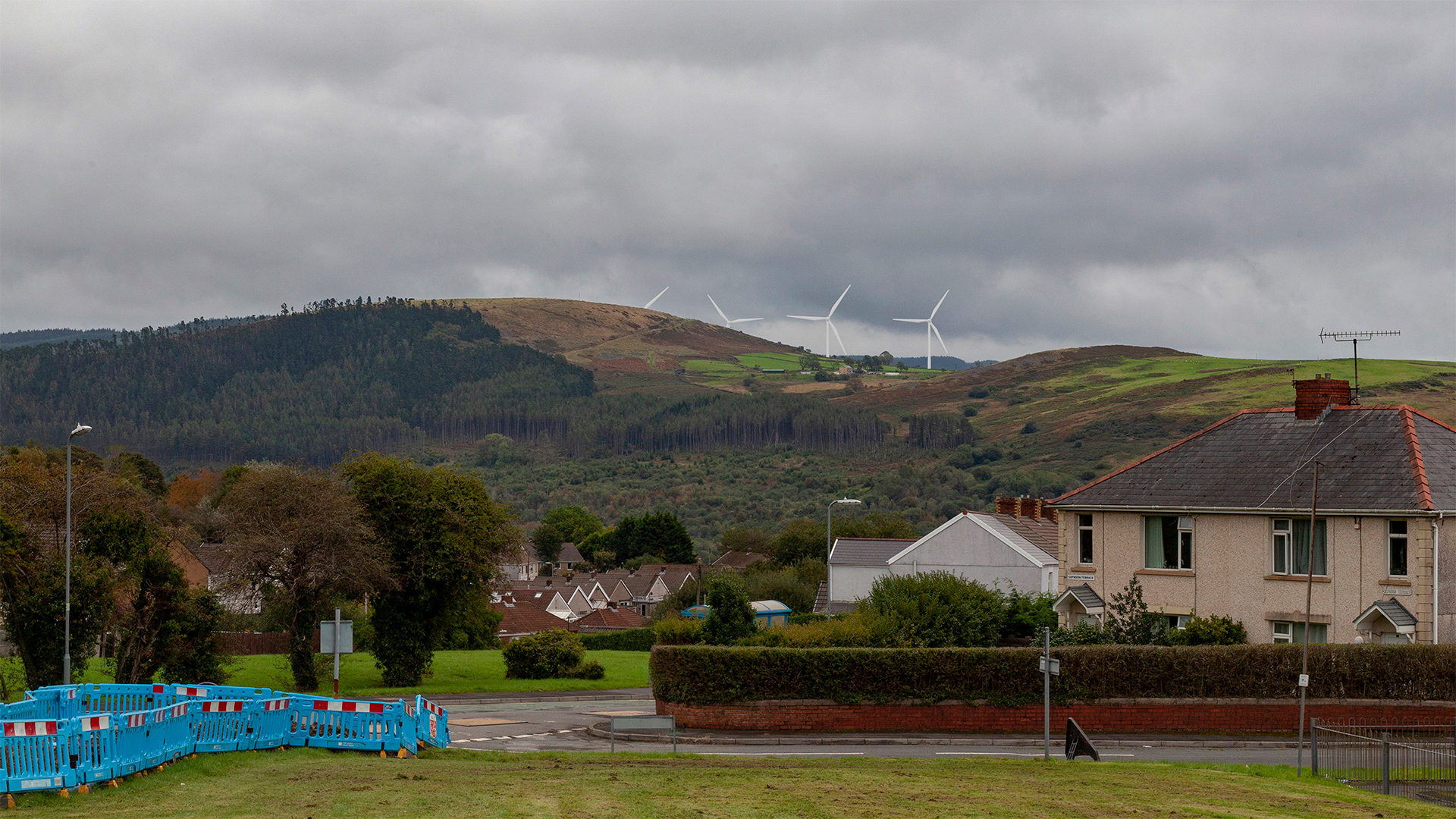
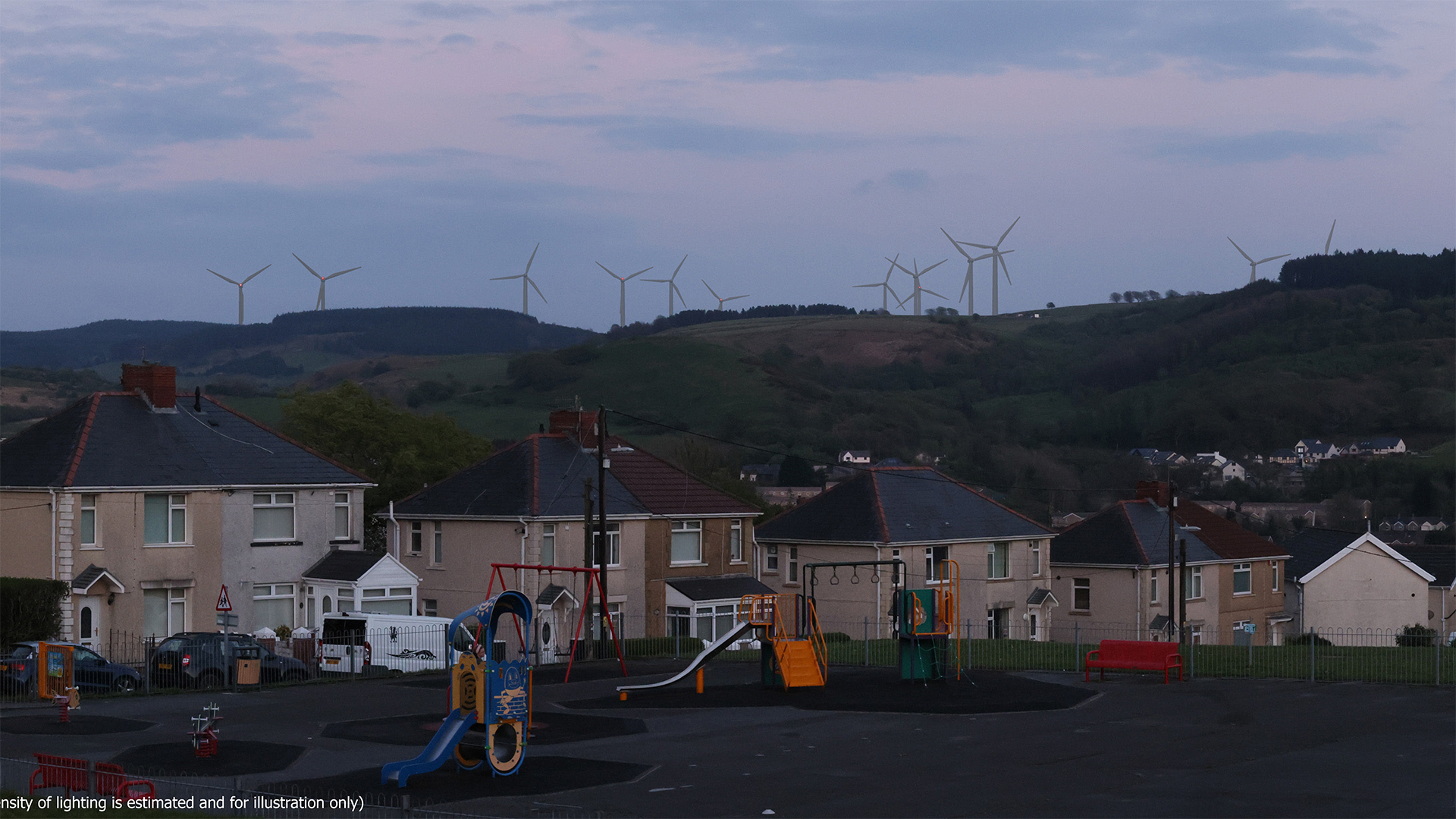
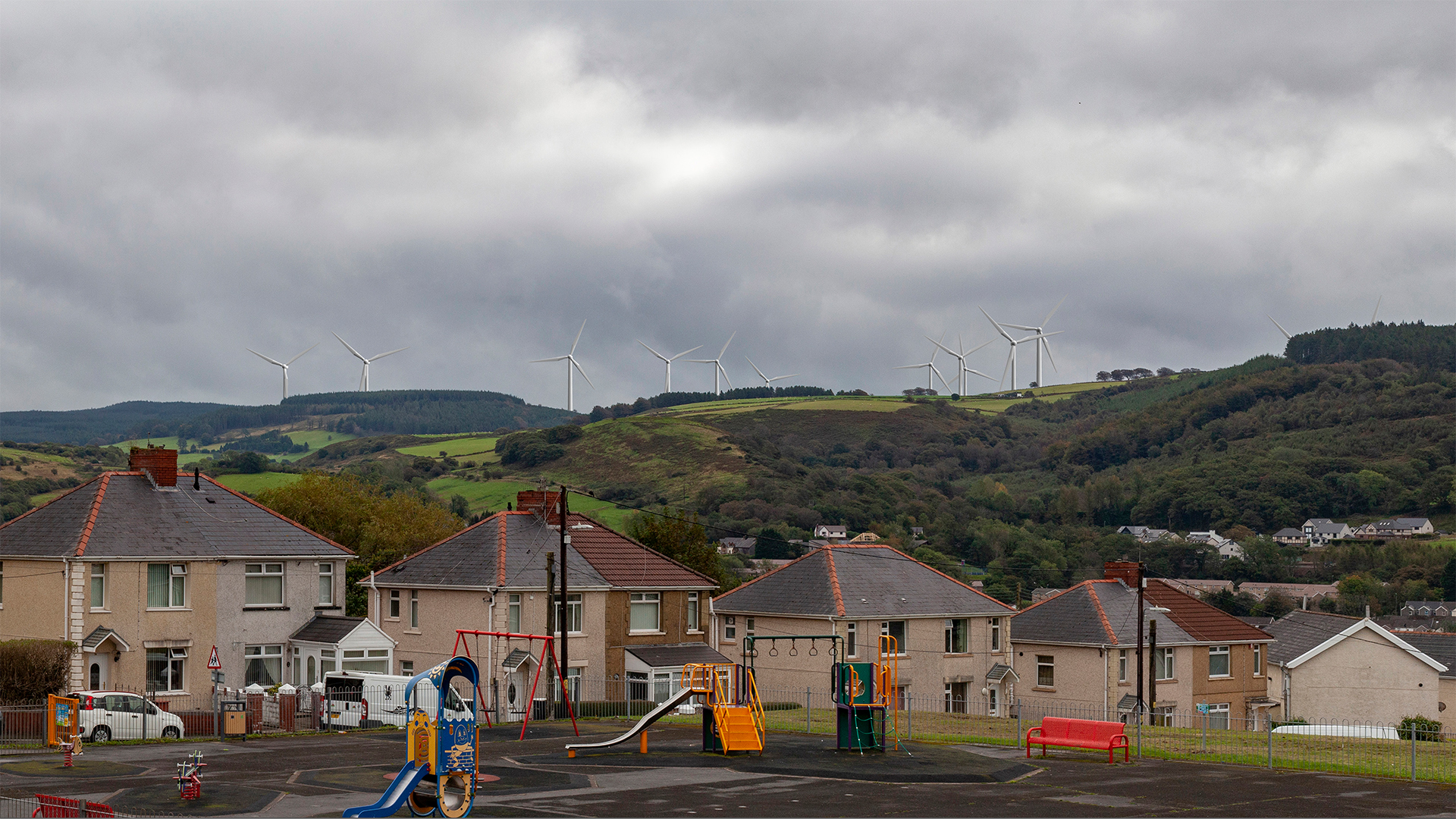
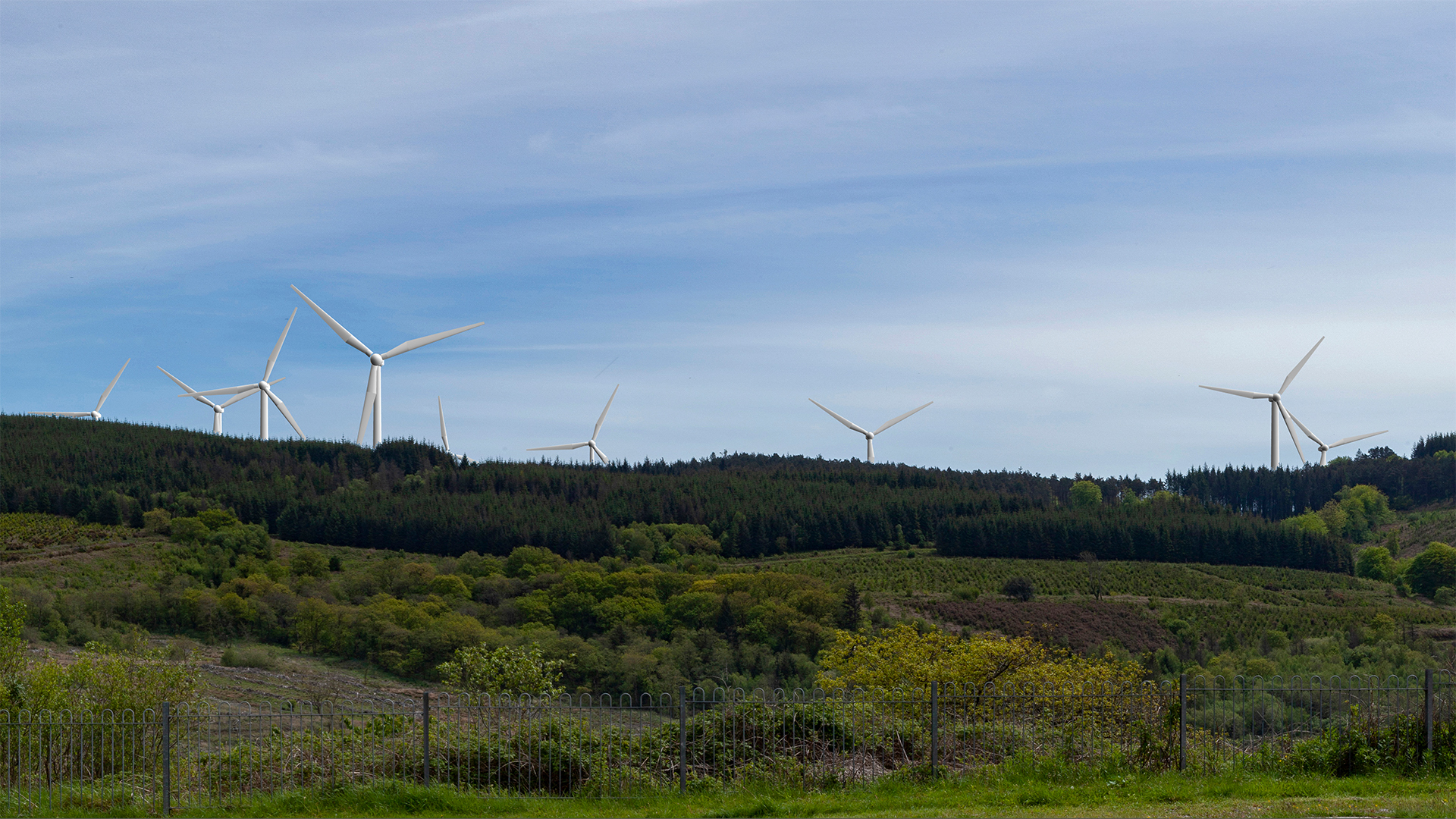
We are seeking permission to construct turbines ‘up to’ between 206 to 250 metres in height to blade-tip. We understand that the proposed project incorporates turbines of a larger scale than seen in the region historically. We also acknowledge that what the project looks like visually is a key consideration for local communities.
We are proposing to install turbines of this size for a number of reasons, including the fact that the larger the turbine, the more renewable energy can be delivered by each turbine (thus reducing the number of turbines required to deliver the same amount of green energy).
As turbine technology advances, so too do turbine sizes and efficiency – by the time this project is built, it is likely that turbines of a much smaller scale will not be available to purchase.
That said, understanding the possible effects of these turbines visually is a key consideration for us. We have been looking carefully at where turbines of the very largest sizes are appropriate and have refined our proposals accordingly.
The development and construction of all new infrastructure projects is extremely closely monitored. We have undertaken extensive surveys and assessments through our Environmental Impact Assessment process, which sets out, in detail, how all potential impacts on the local forestry, biodiversity, wildlife, ecology, and geology to name a few have been assessed and minimised. It also explains where any mitigation is applied.
Permission for the proposals will only be given if Planning and Environment Decisions Wales and Welsh Government are satisfied that the project does not have an unacceptable adverse impact on the local area.
At the end of the project’s lifetime, the site will be decommissioned in line with plans, which will be agreed with the relevant local authorities.
This process is closely monitored by relevant statutory bodies and planning permission would not be granted without confirmation, assessment and an agreed process for decommissioning the project.
Wind energy has an important part to play in the decarbonisation of Wales. As one of the cheapest forms of renewable energy generation, and as part of a mix of green
energy generation technologies, it has the potential contribute greatly to the drive towards ‘net zero’.
At a local level, there is also the opportunity for communities to see direct benefit from this project through joint ownership. We are working with local energy charity Awel Aman Tawe to deliver for local ownership for up to 10% of the Project. A further 10% of the project is available for local public sector ownership. There is therefore a very real opportunity for local communities to see ongoing, direct benefit from owning a stake in the project.
The health and safety record of the wind industry is far better than many other forms of industrial energy generation. Health and safety considerations are a central factor in all our activities. There is no scientifically accepted evidence of adverse impacts on human health from wind turbines.
An anemometry mast was installed close to the summit of Mynydd Margam in early 2021. The data gathered has helped inform positioning of turbines and contribute to the design and operation of the project.
Yes, bird surveys commenced in winter 2019 and some initial ecological surveys and monitoring commenced in 2020, with further surveys underway across 2021. Survey work and assessment continued throughout the pre-application process and will fed into the development process for the project.
We considered different route options for construction access and component delivery to the site.
All routes have been thoroughly assessed as part of a Traffic Impact Assessment and an Abnormal Indivisible Load (AIL) Survey Report to ensure that vehicles can make the journey without undue impact on the road network or surrounding areas. A Preliminary Construction Traffic Management Plan and a Preliminary AIL Traffic Management Plan outline the detail of the works and associated traffic movements, including where there may be any mitigation required to address identified issues with the road network locally.
This is something that we will be working on closely with the local highways authorities and technical consultees.
The principle of grid connection has been agreed to join the transmission system network, not far from the site. The exact grid connection point and route is not yet confirmed, this is something we are still working on, however we are considering how best to minimise any wider impacts related to grid connection.
It is planned to try and maintain as much public access into the forests during construction as possible, however, there may be periods of time where due to construction activity some areas may be placed out of bounds to ensure public safety. Temporary diversions of rights of way may be required and where this isn’t possible any temporary closures will be communicated in advance in consultation with the local authority.
During operation there would be no reduction in public accessibility into and within the site, with the sole exception of hazardous areas such as the substation which will be security fenced.
The carbon payback of the final submitted scheme is 1.9 years, meaning that over its up to 50 years operating life it will categorically be carbon-negative.
We are aware of the pre-existing mining operations that took place in the area historically. A preliminary Coal Mining Risk Assessment (CMRA) has been completed in consultation with the Coal Authority and British Geological Survey. Many onshore wind developments in South Wales are proposed on former coalfields, in areas that have previously been mined, or that have some industrial heritage considerations. This is something we have looked at very carefully through our geological and heritage assessments.
Due to the hard bedrock geology of this site we are proposing to utilise a ‘gravity pad’ type foundation. Counterintuitive though it may seem, the depths of foundations necessary for a ‘gravity pad’ are not directly proportionate to the heights of the turbines, whereas they would be more so for ‘piled’ foundations on softer bedrock. It would depend very much on the underlying geology, which changes across the site, but a dug depth of around 2-3 metres is probably realistic for most proposed turbines.
A gravity pad foundation might be up to 20-30m in diameter. These consist of a steel rebar reinforced cage filled with concrete.
As noted in relation to noise and shadow flicker, great care has been taken with positioning of wind turbines in relation to local houses. The mechanical design and engineering of the turbines, plus the distances involved from the closest wind turbine to a residential property, make it very unlikely that any vibrations would be felt.
Assessment of how any new wind turbines interact with aviation or radar is a primary consideration through the development of the proposals. Close engagement and consultation with relevant consultees, such as the Civil Aviation Authority (CAA), Ministry of Defence (MoD) and Emergency Services for example ensure that wind farms are designed in a way that minimises or eliminates any potential interference with aviation. If this is not possible, it is unlikely that a turbine – or a whole project – would receive planning permission.
Archaeology and consideration of the historic and heritage setting of the proposals is a key consideration for the project. We are aware of the range of scheduled and non-scheduled archaeology across the site and within the wider area, and are liaising with local heritage consultees.
We’re also working with specialist, experienced, archaeological consultants, Headland Archaeology, who have advised on e.g. setback distances from scheduled monuments.
There would be what’s called an ‘Archaeological Clerk of Works’ on site monitoring all excavations to stop works if any suspected new findings are happened upon, which is why we would be applying for a micrositing allowance so that we are able to move to avoid any such features during construction.
We are keen to hear local thoughts on how the community benefit fund could be delivered and what it could be used for. Providing funding or contributions towards local electricity bills is technically feasible, and could form part of the broader consideration related to the community benefit for this project.