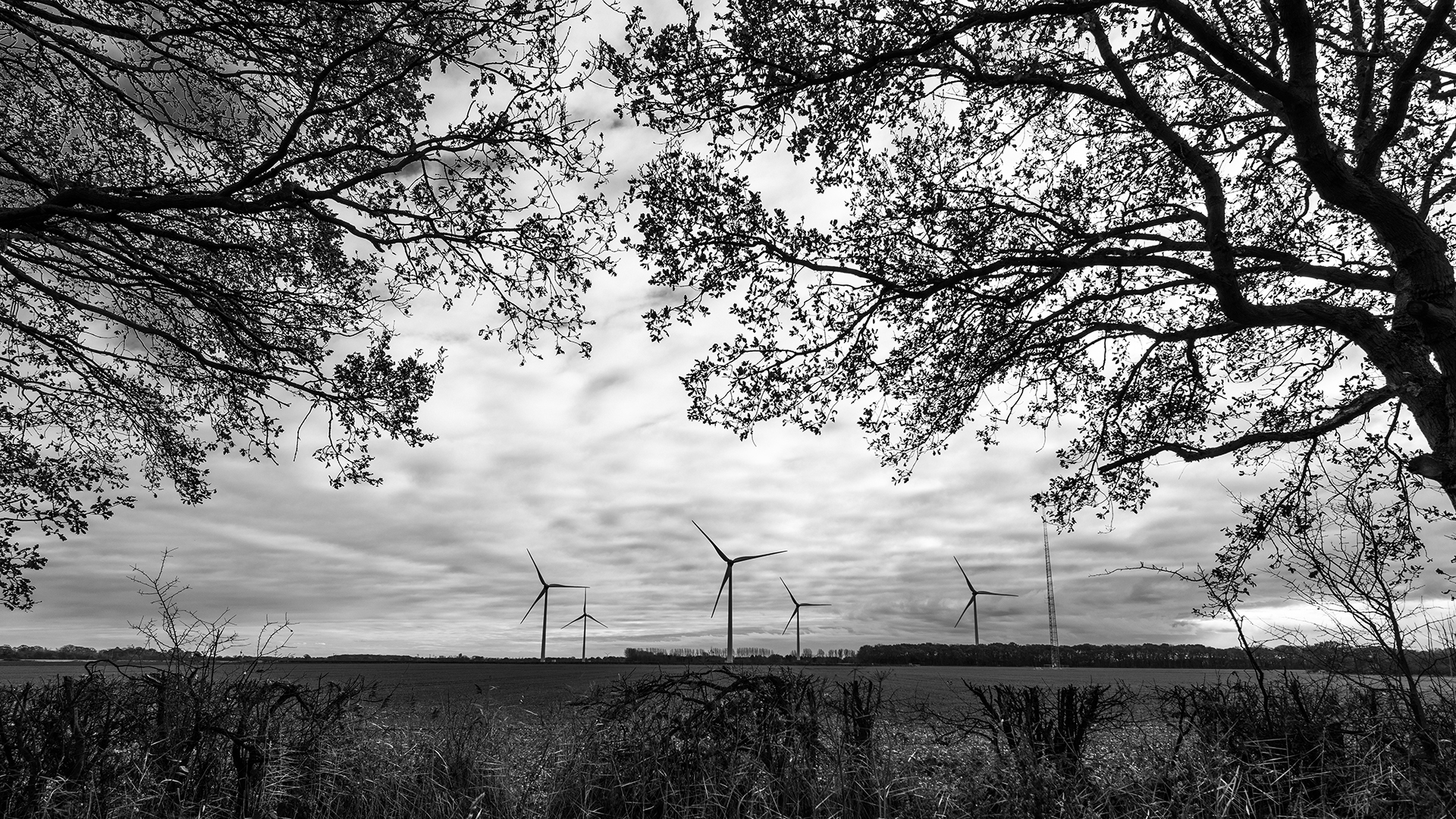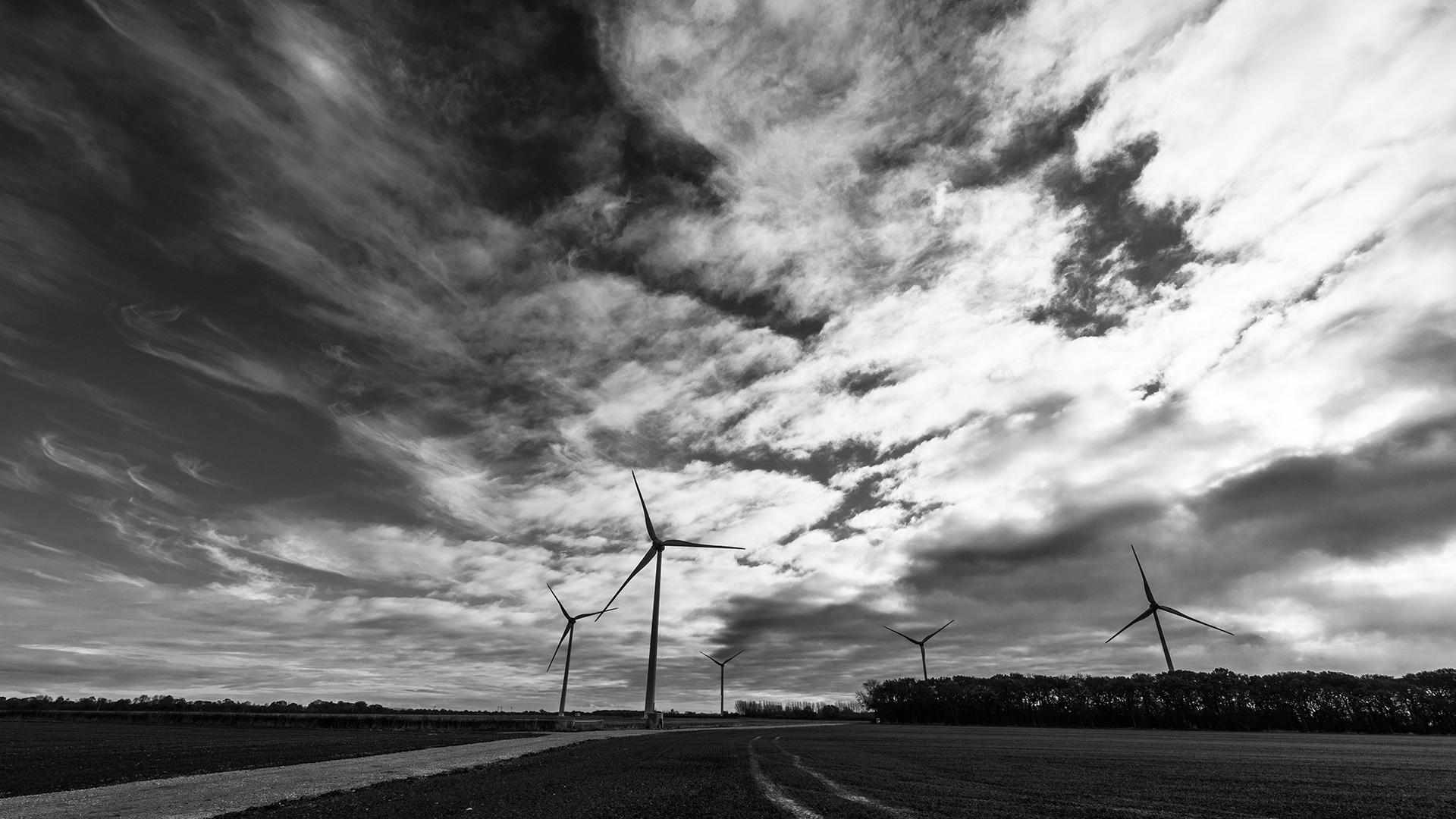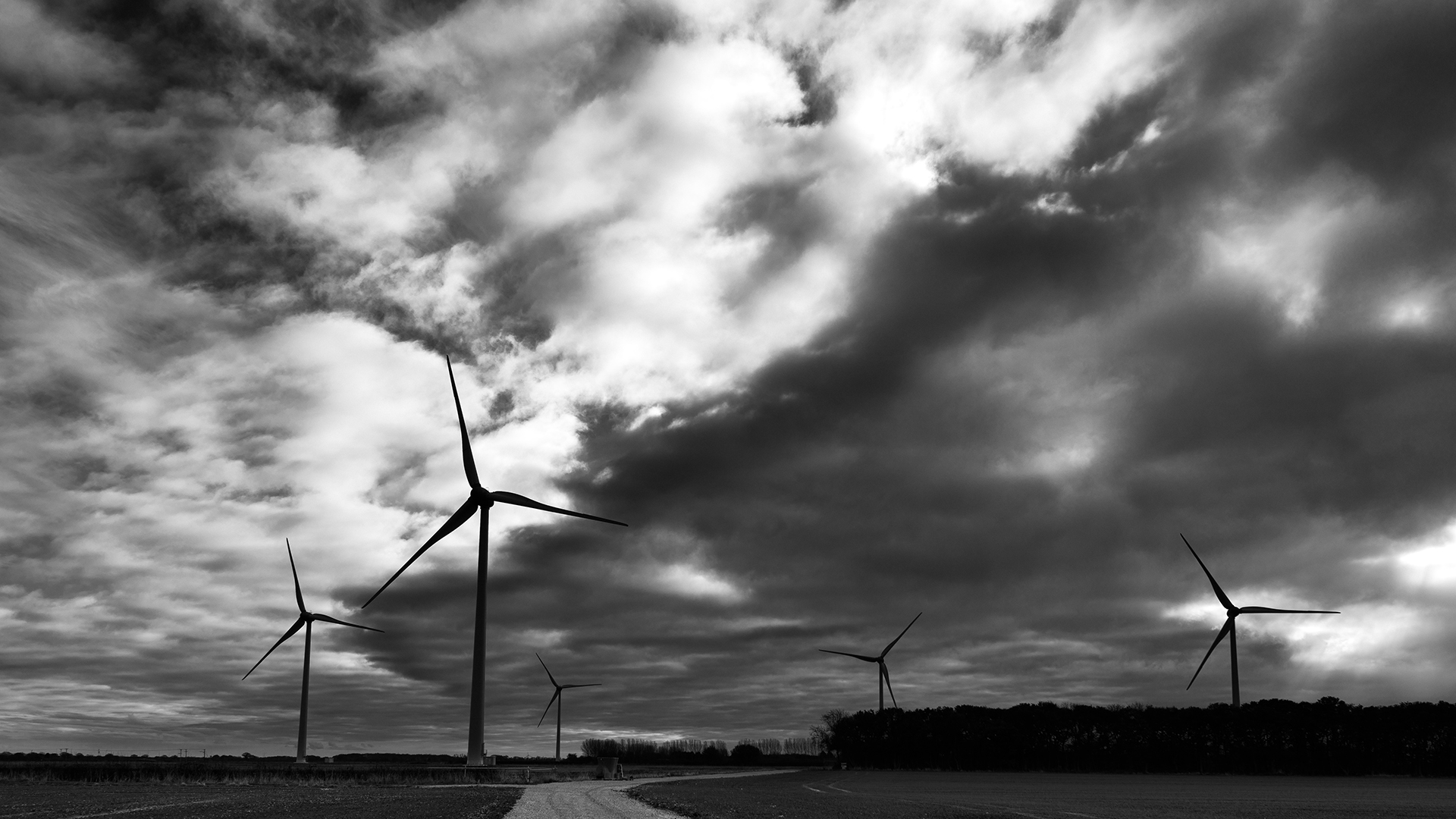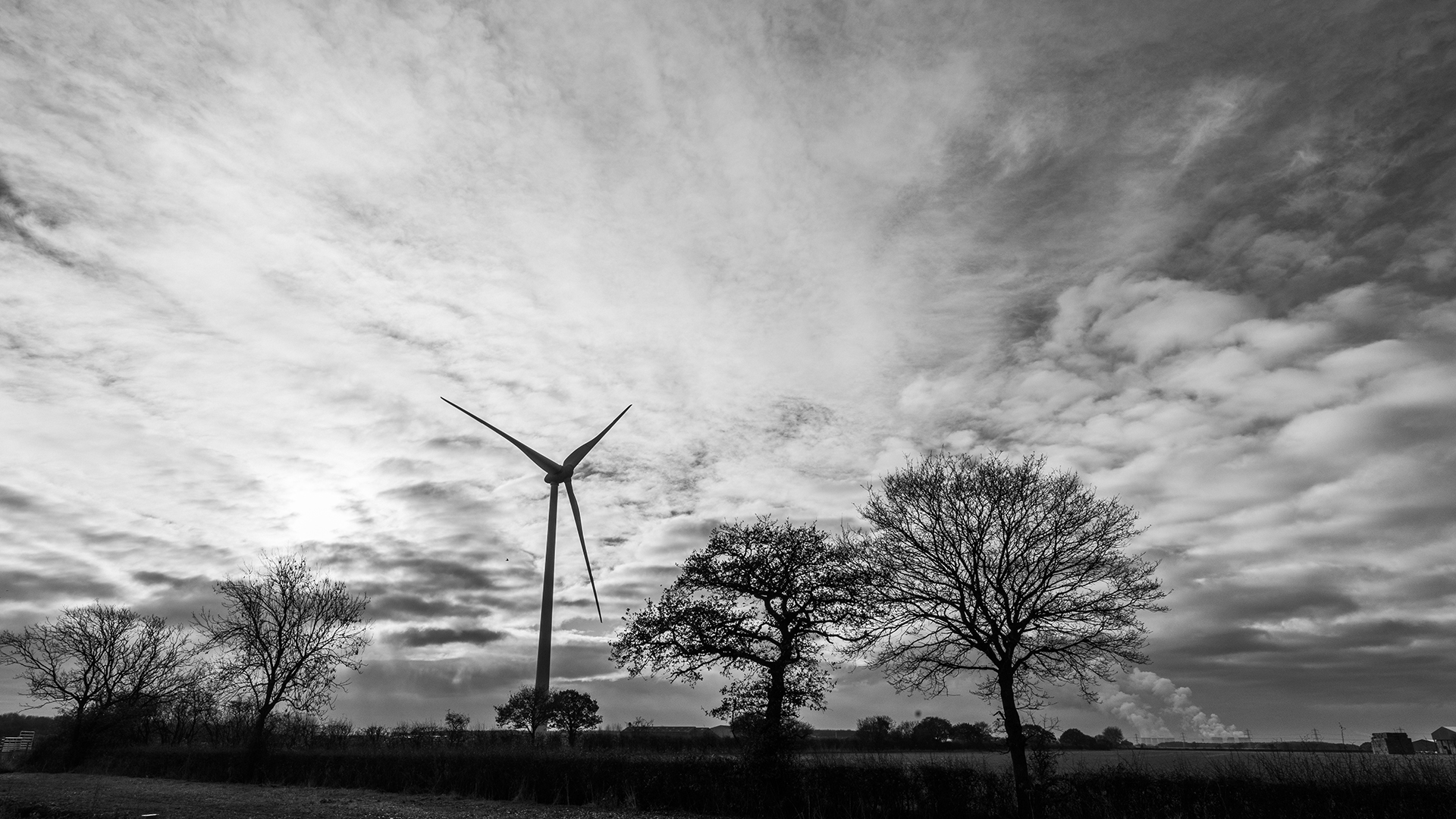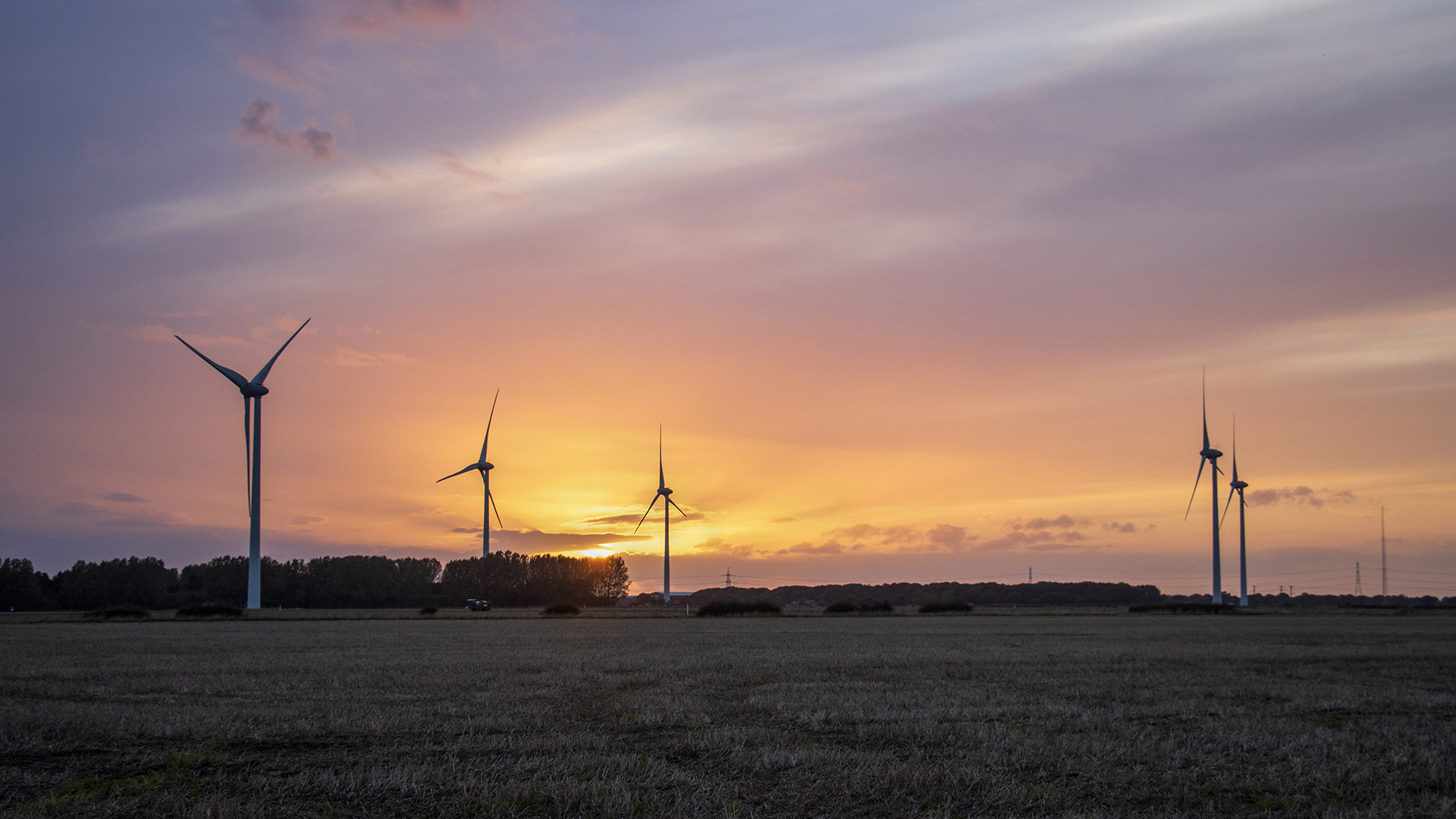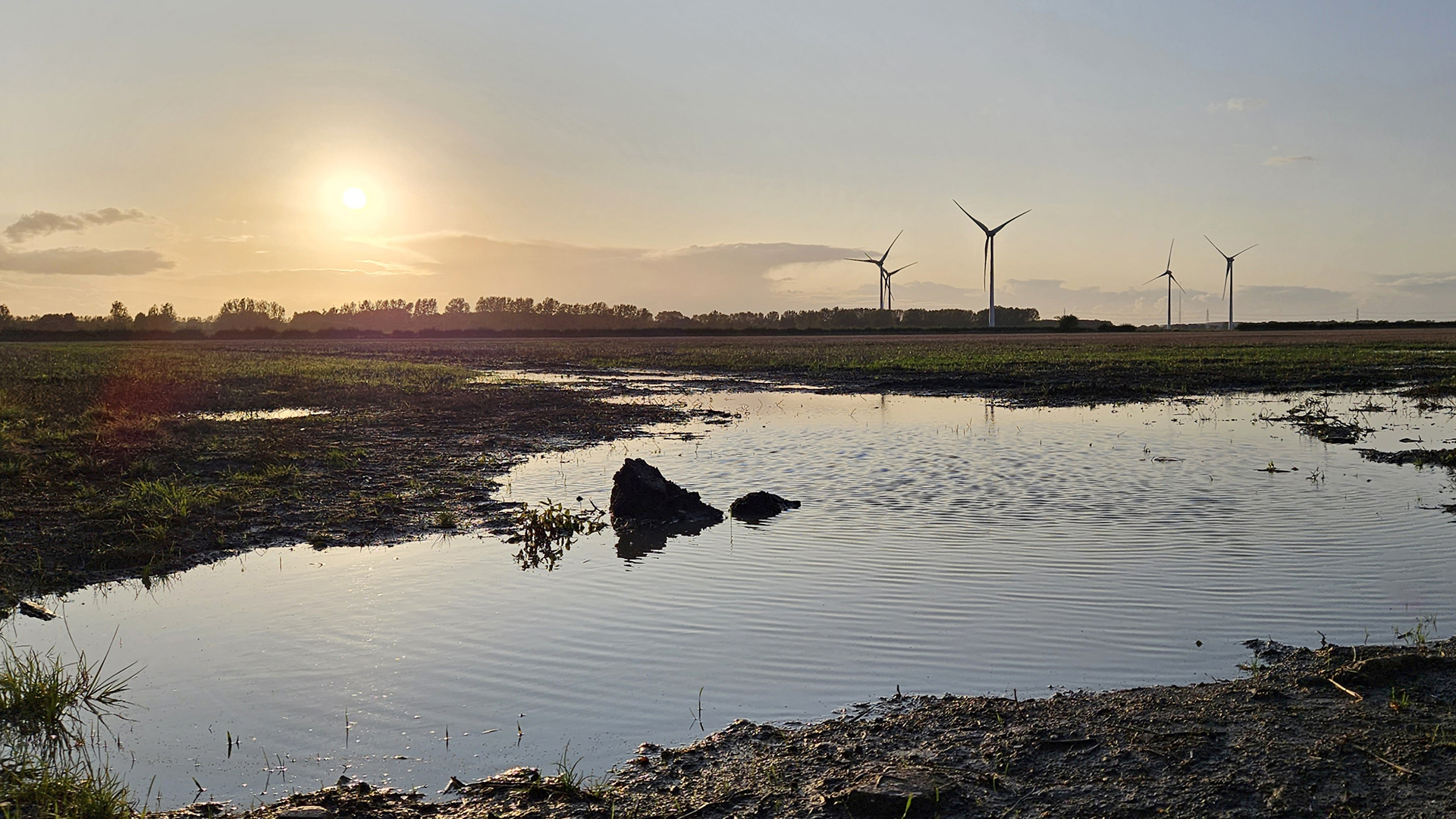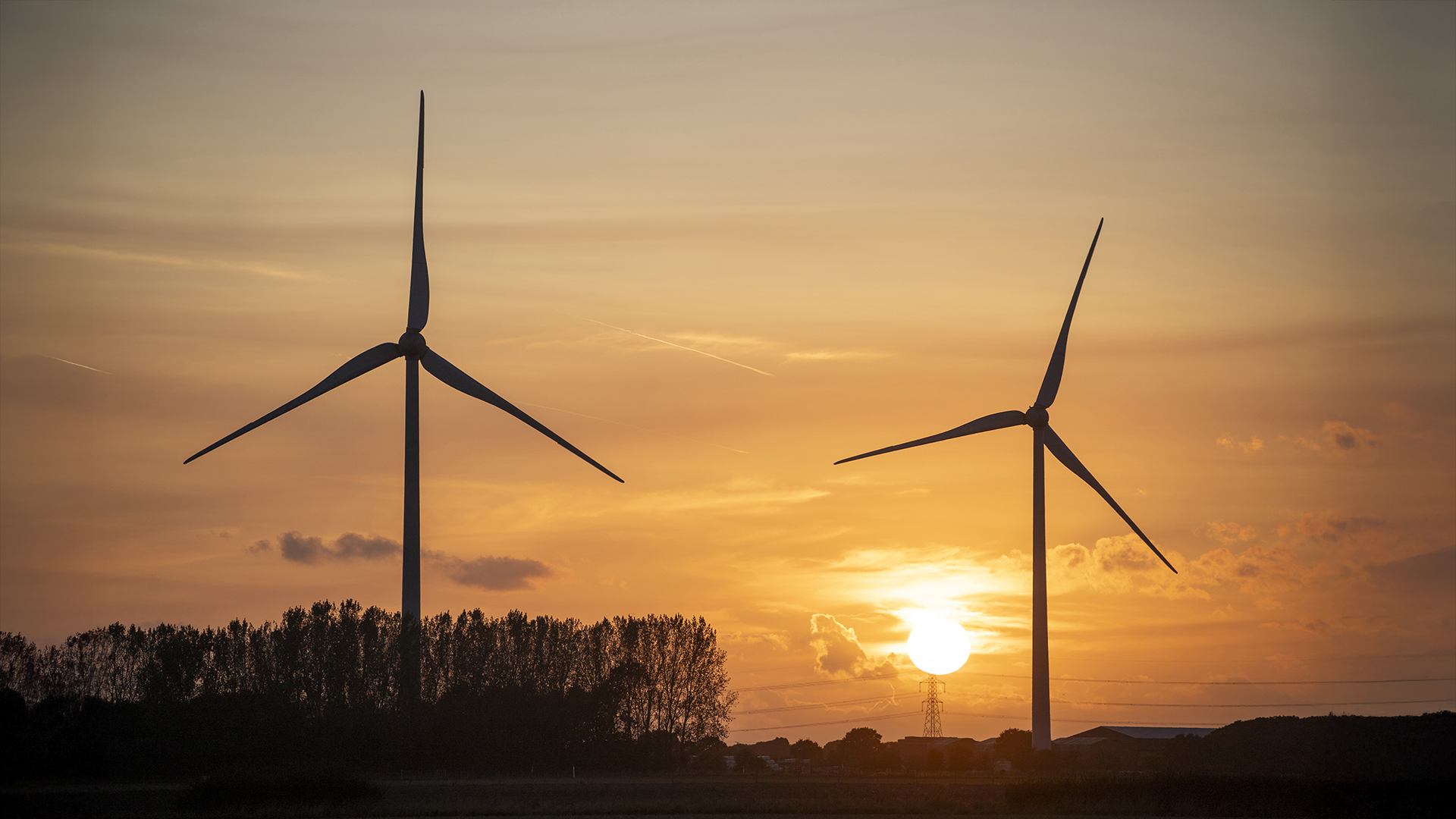
spaldtington_hero.jpg

Spaldington Airfield Wind Farm
East Riding of Yorkshire

Photo credit:
Howden Camera Club

Project

Case study

Type:
Wind Farm

Status:
Operational

Owner:
Nadara

Built on the site of a former airship station, Spaldington Airfield Wind Farm has been generating clean energy since 2016

5

Turbines

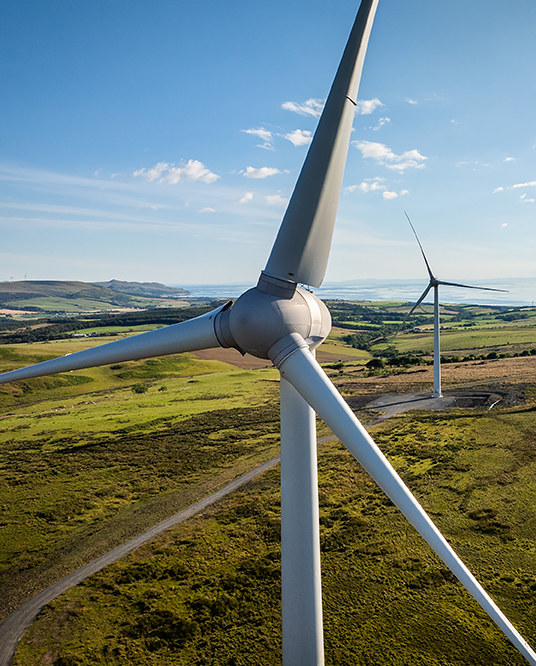
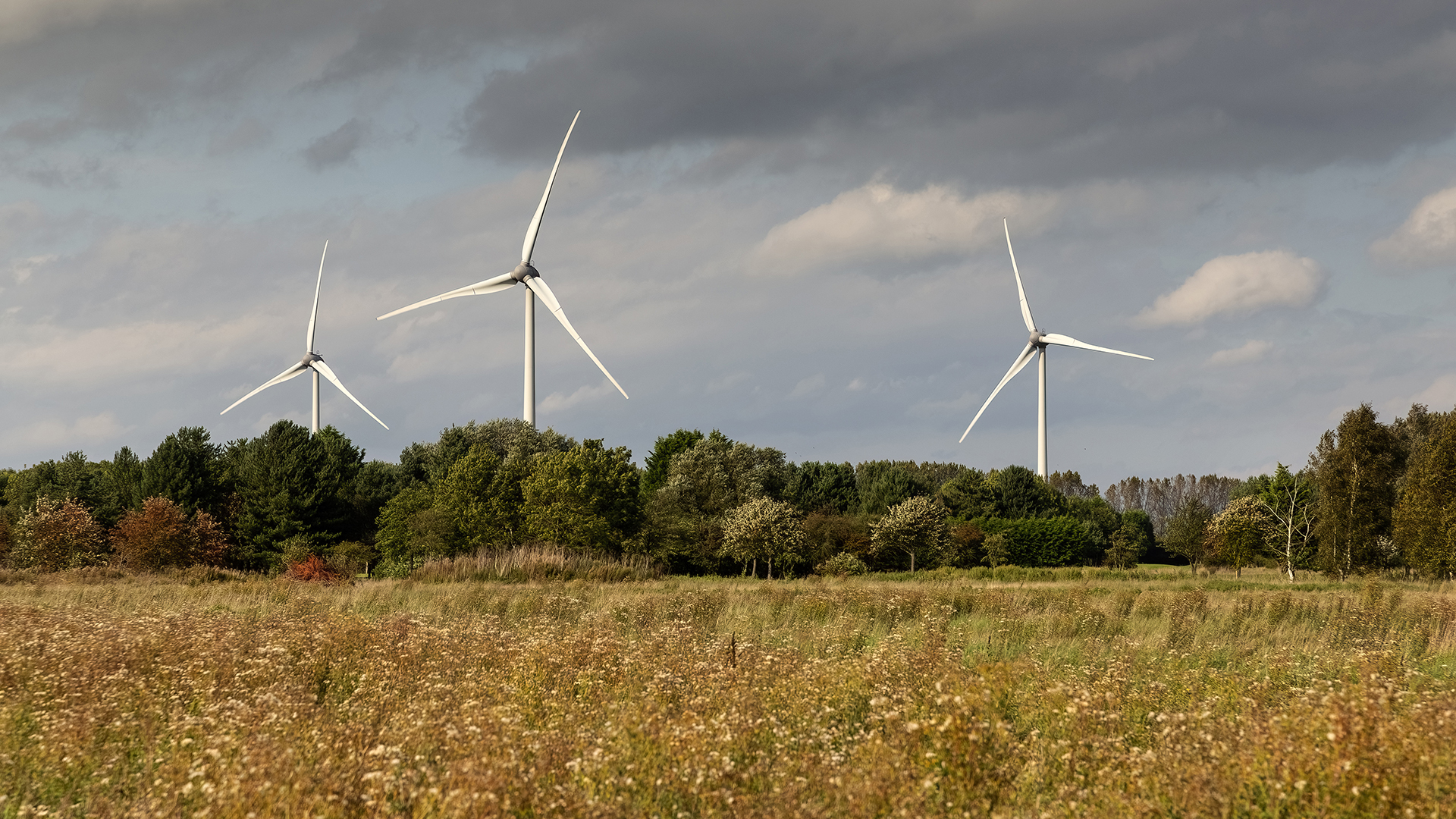
The wind farm comprises five Enercon E92-2.3MW turbines.

11.5

MW

Maximum generating capacity is 11.5 Megawatts.

6

Landowners

Turbines are built on land leased from two local farmers. Three further landowners were involved for road upgrades and one more for connection to the grid compound.

2016

Commissioning

Commercial operations started in March 2016 and are expected to continue for 25-35 years.

Overview

Spaldington Airfield wind farm is built on agricultural land immediately to the north of Boothferry Golf Club in Howden, East Yorkshire. The project comprises five Enercon E92-2.3MW turbines and has a total generating capacity of 11.5MW.

Timeline

The site was home to RNAS Howden (an airship station) from 1916 to 1930 and the R100 airship made its maiden flight from here in 1929. The hangars have long since been removed and little evidence of the site's former use remains today.

Planning permission for the wind farm was granted in 2011 following a conjoined public inquiry with a neighbouring project (that was refused consent). The wind farm was built by our partners, Falck Renewables (now Nadara), and entered operation in March 2016.

Community

A community fund for the project, managed by East Riding Council, was set up to benefit eight nearby parishes. This has been used to support a wide range of projects from local community buildings and outdoor play areas to sports clubs and youth groups.

Windfarm location

53°47'16"N, 0°51'60"W

The impact

What is being delivered

0

Million kWh/year

On average, the wind farm generates around 25.6 million kilowatt hours of electricity a year. Enough charge over 1,200 electric cars a day.

Based on a rolling average load factor of 25.4% to November 2024 and an electric car battery capacity of 58kwh (as found in a Tesla Model 3 or VW ID3)

0

Homes powered

The output from the wind farm is enough to meet the electricity needs of 7,900 average UK households.

Based on a rolling average load factor of 25.4% to November 2024 and DESNZ Subnational Electricity and Gas Consumption Statistics statistics showing that annual GB average domestic household consumption is 3,239kWh (updated January 2024).

0

Tonnes of CO2 to date

The CO2 emissions saved by the wind farm are equivalent to planting 450,000 trees, or to removing 7,450 cars from the road.

Based on:

  1. DESNZ's “all non-renewable fuels” emissions statistic of 437 tonnes of carbon dioxide per GWh of electricity supplied in the Digest of UK Energy Statistics (July 2024) Table 5.14 (“Estimated carbon dioxide emissions from electricity supplied”)
  2. DfT's NTS0901 statistic (August 2024) of an average diesel car covering 8,300 miles per year and manufacturer's published emissions data for a VW Golf 2.0 TDi of 115g/km
  3. EcoTree estimate that a typical tree absorbs 25kg CO2 per year

0month

Carbon payback

The wind farm will generate electricity for 25-35 years, and save the same amount of carbon emissions created from manufacturing and constructing the project in 24 months.

Based on a rolling average load factor of 25.4% to November 2024 and DESNZ Subnational Electricity and Gas Consumption Statistics statistics showing that annual GB average domestic household consumption is 3,239kWh (updated January 2024).

The project

In pictures

Spaldington_windfarm1.jpg

Photo credit:
Howden Camera Club

Spaldington_windfarm2.jpg

Photo credit:
Howden Camera Club

Spaldington_windfarm3.jpg

Photo credit:
Howden Camera Club

Spaldington_windfarm4.jpg

Photo credit:
Howden Camera Club

man in orange jacket

Finding a better way

This is our story